Iran Sets Conditions for Reopening the Strait of Hormuz
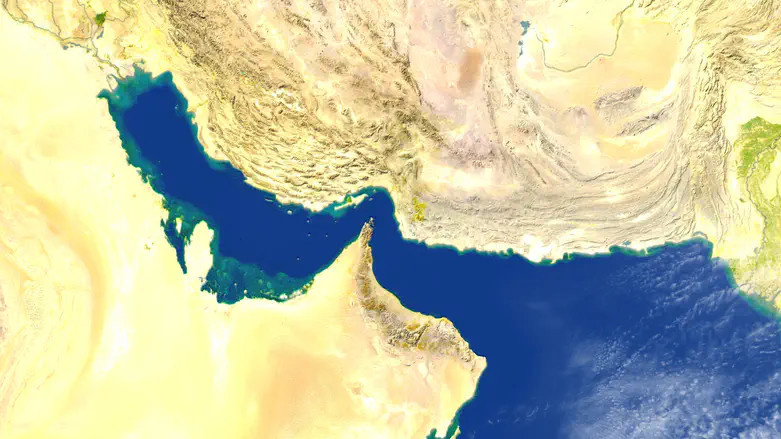
Mohammad Bagher Zolghadr, the secretary of Iran’s Supreme National Security Council, has articulated Tehran's primary demands for the United States as negotiations progress concerning the reopening of the Strait of Hormuz. This strategic maritime route, vital for global crude oil shipments, has seen significant disruptions following a series of Iranian strikes in the Persian Gulf. Iran and Oman are actively discussing the status of this critical waterway.
In a statement released by state media, Zolghadr emphasized that Washington must lift its naval embargo on Iranian ports, terminate economic sanctions, and provide war reparations. He further insisted that American military forces withdraw from the region and cease military actions directed at Iran’s regional allies. "The Supreme National Security Council will never give up, whether in war or in negotiations," Zolghadr stated.
On the same day, US Vice President JD Vance expressed cautious optimism regarding the diplomatic efforts between Oman and Iran during an appearance on Fox News, although he acknowledged that the broader dispute remains unresolved. "We’re in the middle of the game," Vance remarked, indicating that a variety of diplomatic, economic, and military tools are being utilized to achieve favorable outcomes for the American populace.
Iranian Foreign Minister Abbas Araghchi also noted progress in the discussions, stating that both parties are "very close to an agreement." However, he highlighted that a final accord is contingent upon the US adhering to a bilateral memorandum of understanding established in June.
These developments follow a US official's confirmation to Reuters that Omani-mediated talks between Washington and Tehran have made tangible progress, with an official announcement anticipated soon. The US official indicated that once a public declaration ensures the unhindered resumption of commercial transit, Washington plans to lift its naval blockade surrounding Iranian ports, while reiterating that any changes in American military posture will depend on Tehran's full compliance with its commitments.
This situation builds on a Thursday report by MS NOW, which cited Middle Eastern diplomats confirming that Muscat and Tehran have laid a foundational framework to temporarily resume traffic through this critical chokepoint. During an Oval Office briefing, President Donald Trump described the passage as "sort of open right now," while emphasizing that the US naval blockade remains fully operational. "I think we’re doing fine," Trump commented, adding that a formal update on the corridor could be forthcoming.
Earlier in the week, US Secretary of State Marco Rubio characterized the negotiations concerning the Strait of Hormuz as promising, though he noted that final terms are still under negotiation. "There's been progress made in those talks, but not finality yet. We're hoping that will happen very shortly," Rubio stated.