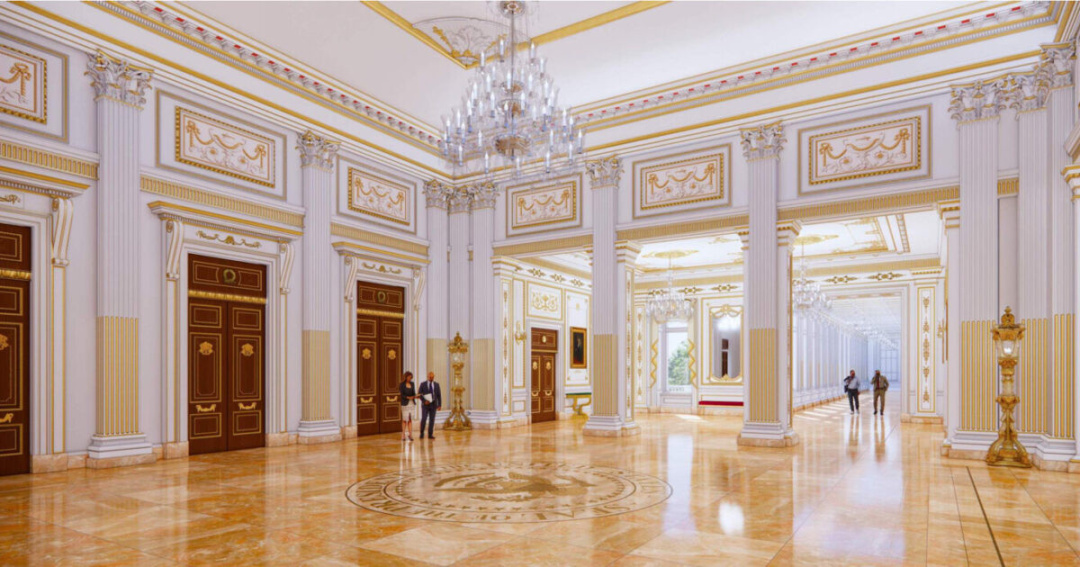
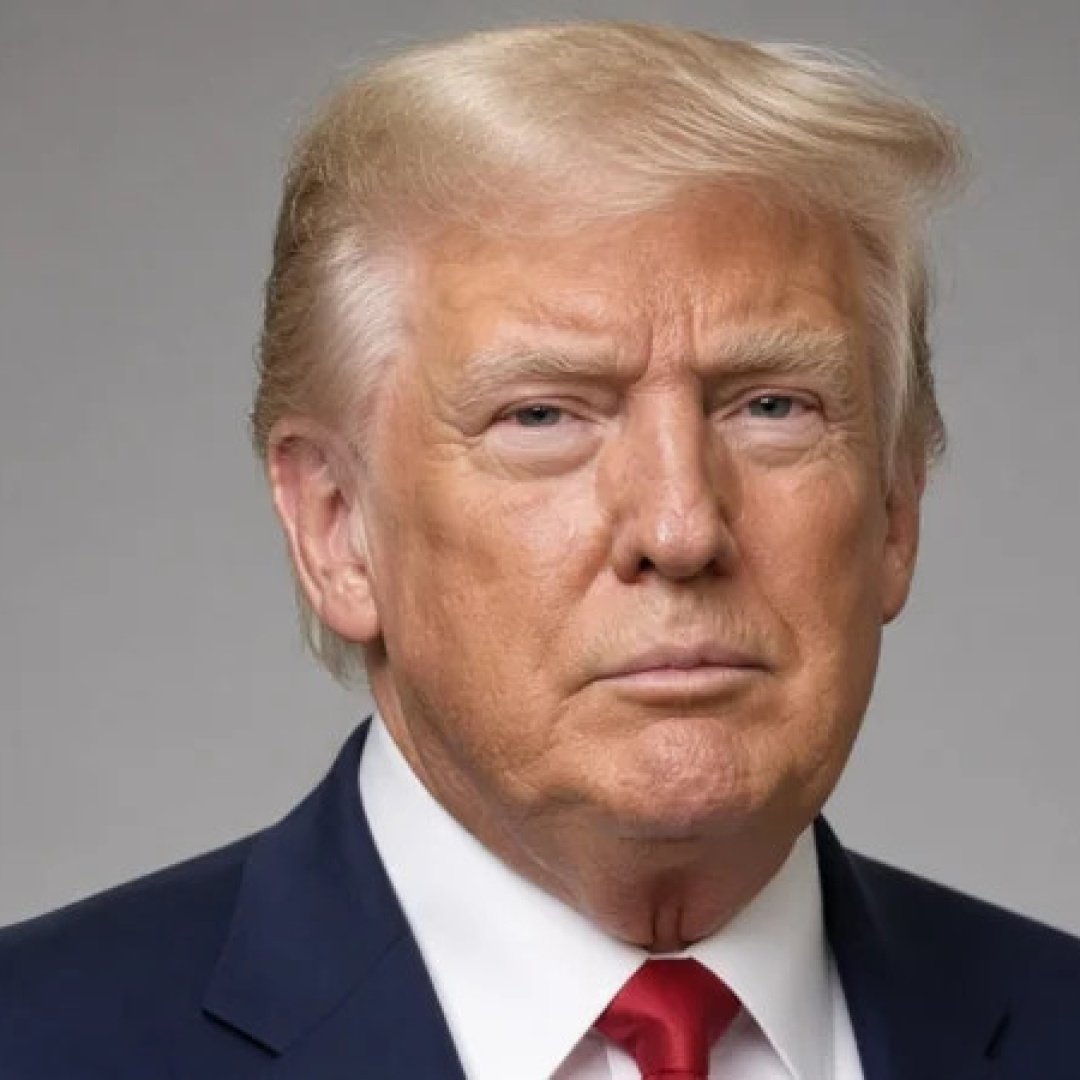
Trump's Proposed Ballroom Faces Legal Challenges Amid National Security Claims
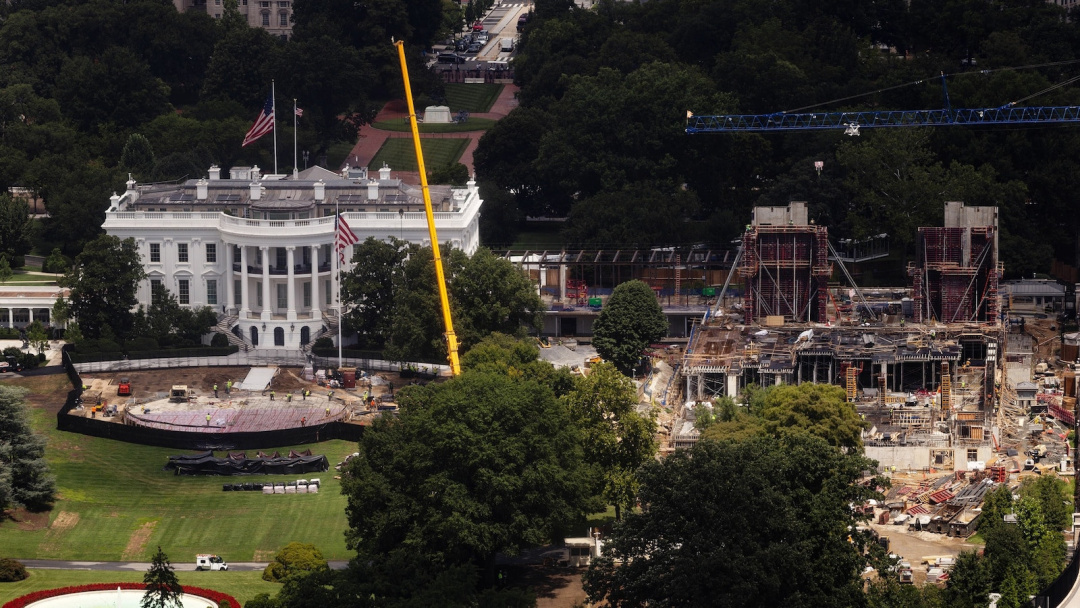
A federal appeals court has ruled against President Donald Trump's proposed $400 million ballroom, citing that his reasoning does not provide an automatic exemption from legal requirements. The court's decision, issued on a Friday, halts construction efforts that have faced legal challenges since the project's proposal in July 2025. Trump has publicly stated that the ballroom is crucial for national security, asserting that it will protect the country.
In a social media post, Trump claimed that the entire complex is being built for the protection of the nation and vowed to appeal the ruling to the U.S. Supreme Court. He described the court's decision as a significant threat to national security and a disgrace, arguing that the project is essential for safeguarding future presidents during events like the White House Correspondents Dinner.
The judges involved in the ruling rejected the administration's national security argument, stating that the president does not possess the authority to make such major alterations to the White House without congressional approval. Judges Patricia Millett and Bradley Garcia emphasized that the executive branch cannot act without legal authority, which undermines the constitutional order.
In dissent, Judge Neomi Rao expressed concern that the government should not rely on architectural approvals from the district court to secure the President's residence. While the main construction of the ballroom is halted, work on security-related features, such as bomb shelters and military facilities, is permitted to continue.
Trump has outlined various security features he intends to include in the ballroom, such as bomb shelters, advanced medical facilities, and missile-resistant structures. He has also mentioned plans for a drone port on the roof, showcasing AI-generated images of armed guards and military vehicles.
Despite the legal setbacks, Trump remains committed to the project, arguing that it is vital for national security and military operations. The ruling will not take effect for two weeks, during which Trump is expected to challenge it in the Supreme Court. Even if the Supreme Court does not side with him, the current ruling allows for the continuation of underground construction related to national security.
The legal battle highlights the ongoing tension between the executive branch's claims of national security and the judiciary's role in upholding constitutional limits on presidential power. As the situation unfolds, the implications of this case for the future of the White House and its grounds remain significant.