Leon Panetta Warns of Dangerous Military Shortages for U.S. Security
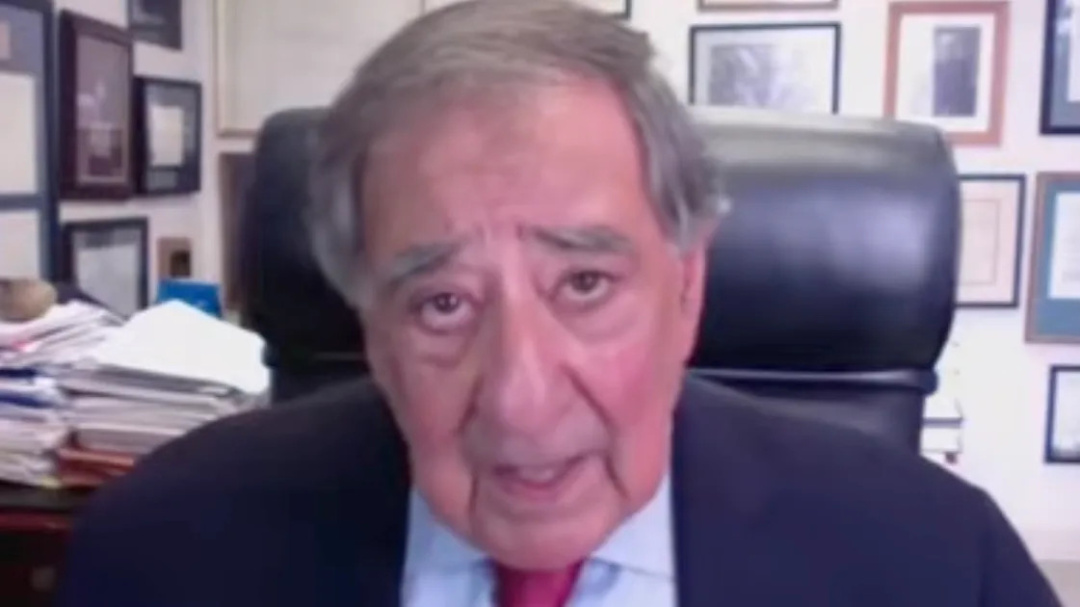
Former Secretary of Defense Leon Panetta has raised alarms about U.S. national security, following reports that the military has significantly depleted its stock of key missile interceptors and munitions. During a segment on "News Central," Panetta emphasized that the U.S. is facing a "dangerously low" supply of critical military resources at a time when threats from adversaries are increasing. He noted that approximately 80% of the Terminal High Altitude Area Defense (THAAD) systems are non-operational, and more than half of the Patriot missile systems are also down, which poses a serious risk to national defense capabilities.
Panetta's comments were prompted by a CNN report that cited multiple unnamed sources regarding the military's current state. He expressed concern that the U.S. might not be adequately prepared to respond to potential aggression from Russia, particularly as intelligence suggests that President Vladimir Putin may consider attacking a NATO ally in the coming years. This situation could test the U.S. commitment to NATO's Article 5, which mandates collective defense.
The former CIA director and defense secretary, who served under President Obama, underscored the urgency of the situation, stating, "This is a vulnerable period for the United States." He also pointed out the implications of the current military shortages on U.S. operations in Iran and the potential for conflict with China, especially regarding Taiwan.
Panetta's remarks come amid reported tensions within the Pentagon, where Defense Secretary Pete Hegseth faced criticism from former President Trump over the weapons shortfall. While Pentagon spokesman Sean Parnell denied any claims of shortages, reports indicate that Hegseth has been under pressure to address the situation, with blame directed at his deputy secretary.
Panetta concluded that the depletion of key military stockpiles is a result of poor planning and emphasized that the responsibility lies with the leadership at the Pentagon. He stated, "It should not have happened," highlighting the need for better management of military resources in light of growing global threats.