Pentagon Revokes Frank Kendall's Access to Classified Information
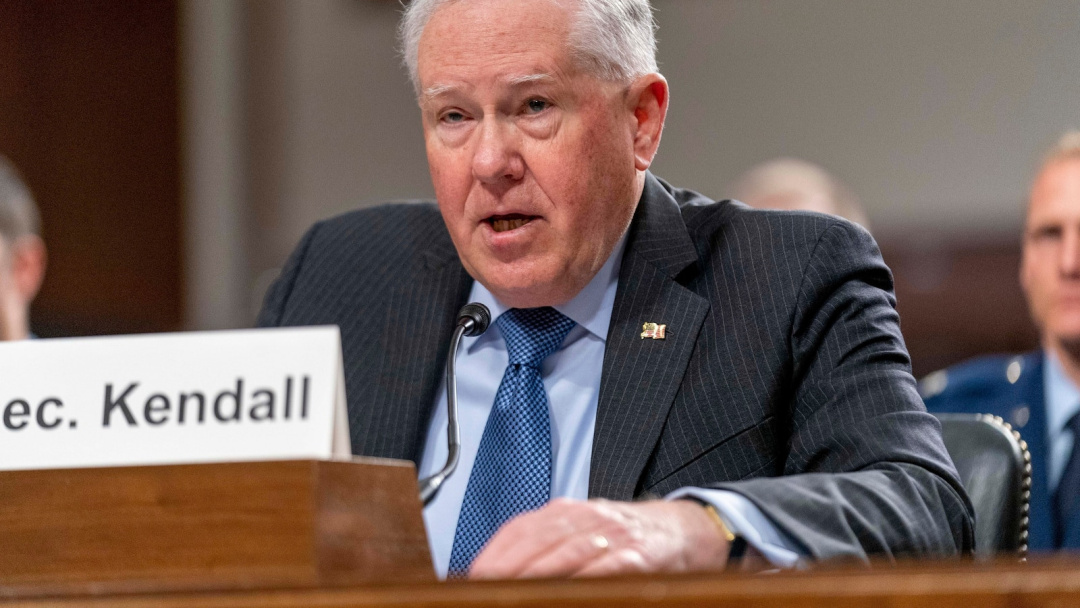
The Pentagon has taken the significant step of revoking former U.S. Air Force Secretary Frank Kendall's eligibility to access classified information. This action comes amid allegations that Kendall disclosed sensitive information about the capabilities of Air Force One to the media. The decision was announced on a Friday, highlighting the Pentagon's commitment to safeguarding classified information.
Recent reports, including one from The New York Times, raised security concerns regarding the new Air Force One, which was gifted by Qatar. It was noted that the aircraft lacks some of the advanced antimissile capabilities that its predecessor possessed. The plane underwent a substantial retrofit costing $400 million and has been utilized for domestic flights, including a recent trip by President Donald Trump to Turkey. However, Trump opted to use an older model of Air Force One to depart from a NATO summit, coinciding with U.S. airstrikes on Iran and attacks on three Gulf Arab states.
The Times article quoted Kendall, who served under President Joe Biden, expressing surprise that the upgraded plane was used outside the U.S. He mentioned that the timeline for upgrades did not allow for all the necessary modifications typically associated with Air Force One. In response to the reporting, the Justice Department issued subpoenas to the Times' reporters in an attempt to compel them to reveal their sources, raising concerns about press freedoms. Following criticism from a judge regarding the handling of the subpoenas, the Justice Department withdrew them.
Chief Pentagon spokesman Sean Parnell emphasized the importance of safeguarding classified information, stating that those who violate this trust lose their access privileges. While it remains unclear if Kendall will face prosecution, the Pentagon has not ruled out the possibility, as such allegations are often linked to potential violations of the Espionage Act.
This incident is not unprecedented; the Trump administration previously revoked security clearances for numerous national security officials. Notably, Defense Secretary Pete Hegseth rescinded security protections for General Mark Milley shortly after taking office. The Pentagon's actions reflect ongoing concerns about the handling of classified information and the implications for national security.