US Imposes Sanctions on Dubai Crypto Exchange Shelbit for Iran Ties
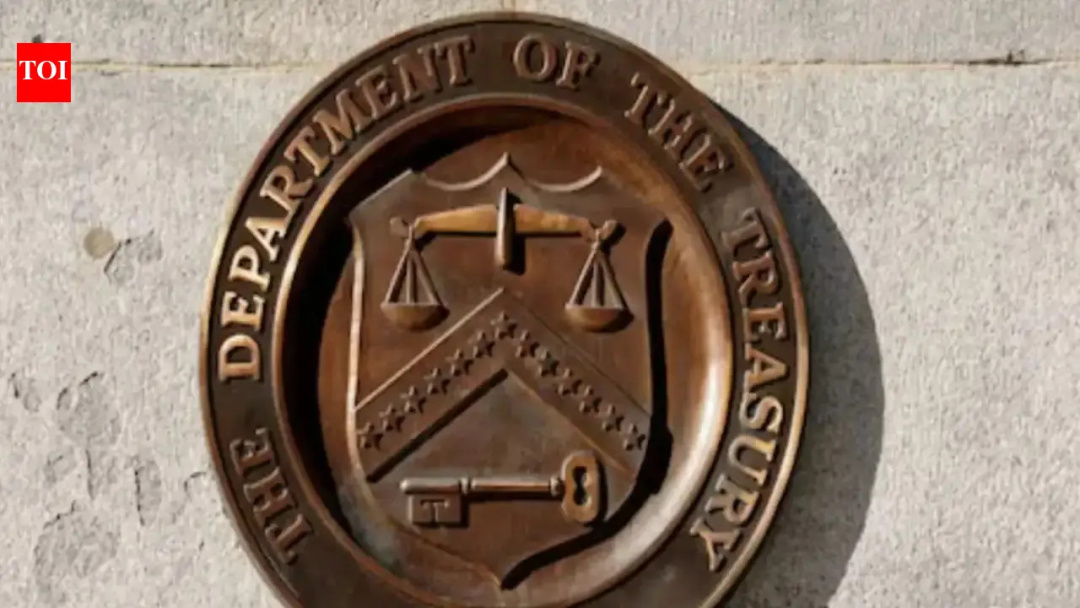
The United States has taken significant action against the Dubai-based cryptocurrency exchange Shelbit, imposing sanctions due to its alleged involvement in processing millions of dollars for Iranian state entities, including the Islamic Revolutionary Guard Corps (IRGC). The sanctions, announced by the U.S. Treasury Department, also target Shelbit's founder, Siavash Kayvanpour, and a network of associated companies.
According to the Treasury, Shelbit has been implicated in a larger scheme to evade U.S. sanctions through cryptocurrency transactions. The exchange is accused of facilitating financial operations for Iran's central bank and other sanctioned entities. In addition, the Treasury sanctioned Aban Tether, another crypto exchange based in Iran, which is alleged to have processed transactions for Nobitex, the largest cryptocurrency exchange in Iran, also under U.S. sanctions.
U.S. Treasury Secretary Scott Bessent emphasized the commitment to dismantling illicit financial networks that support the Iranian regime. A recent investigation by Reuters identified Shelbit as a central player in a $4 billion network designed to evade sanctions. The report indicated that the exchange had moved cryptocurrency on behalf of Iran's central bank and was linked to one of the largest illegal online gambling networks.
The Treasury's accusations extend to Kayvanpour, who is said to have provided material support to both the IRGC and Nobitex. Notably, the U.S. had already sanctioned Nobitex earlier in June for its role in helping the Iranian government bypass Western sanctions.
Reports suggest that tens of millions of dollars processed through Shelbit originated from a suspected Iranian bitcoin mining operation, while additional funds were linked to an illegal gambling network operated by Iranian social media influencers. The Treasury's statement highlighted the Iranian regime's hypocrisy in allowing such gambling operations to flourish.
Despite Shelbit's website being inaccessible for several months, it reportedly continued to process transactions during recent military actions involving the U.S. and Israel against Iran. The website reactivated shortly after the Reuters investigation was published. In a statement, Shelbit denied the allegations, asserting that it had ceased operations in January 2026 and rejecting any claims of involvement in money laundering or sanctions evasion.
The sanctions come in the wake of a notice from Dubai's Virtual Assets Regulatory Authority, which indicated that Shelbit had violated anti-money laundering and counter-terrorism financing regulations. The VARA's notice underscored concerns about the potential impact of Shelbit's activities on the integrity of the UAE's financial system.