Iran Anticipates Israeli Attack Before October Elections
Iran's internal national security discussions indicate a growing consensus that Israel may launch a new military offensive against Iran before the October elections. This belief is fueled by several factors, including a recent agreement between Israel and Lebanon that enhances Israel's military posture. Tehran views this agreement as a significant advantage for Israel, allowing it to maintain strategic positions in southern Lebanon, which could complicate Hezbollah's ability to respond effectively in any renewed conflict.
In previous engagements, Iran reportedly utilized only about 40 percent of its offensive capabilities against Israel, relying heavily on Hezbollah to stretch Israeli defenses. The current Israeli-Lebanese agreement, unlike previous accords, does not mandate Israel's withdrawal from Lebanese territory until Hezbollah is disarmed, a scenario that seems unlikely in the near future. This situation could enable Israel to engage in hostilities with Iran without the same constraints it faced in earlier conflicts.
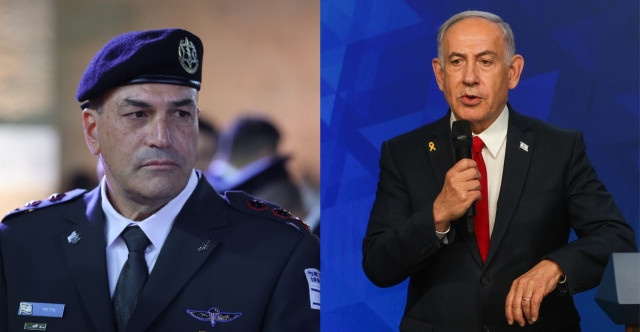
Prime Minister Benjamin Netanyahu's motivations for potentially restarting the war are multifaceted. He faces significant political challenges ahead of the elections, with his leadership credibility at stake. The ongoing conflict and subsequent diplomatic efforts could leave Israel in a strategically weaker position, undermining Netanyahu's claims of effective leadership. Additionally, if he loses the election, he risks losing immunity from corruption charges, which could lead to imprisonment.
Tehran remains uncertain about the extent of U.S. involvement in any Israeli military strategy. There are three scenarios considered plausible: the U.S. may be aware of Israel's plans and facilitated the Lebanese agreement; the U.S. might be unaware but would support Israel if conflict resumes; or the administration could be caught off guard, opting not to restrain Israel while avoiding direct military engagement.
Despite Israel's perceived advantages, Iranian officials maintain confidence in their ability to impose significant costs on Israel and thwart its strategic objectives. However, a renewed conflict could serve Netanyahu's immediate goal of undermining the Memorandum of Understanding (MOU) with the U.S. As political and legal pressures mount, Netanyahu may feel compelled to act decisively, potentially challenging U.S. President Donald Trump in the process. The critical question remains whether Trump will intervene to limit Netanyahu's options, a challenge he has struggled with in the past.