John Brennan Files Lawsuit to Preserve Records Amid Federal Investigations
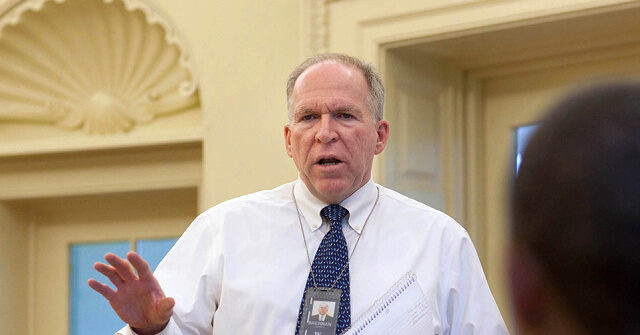
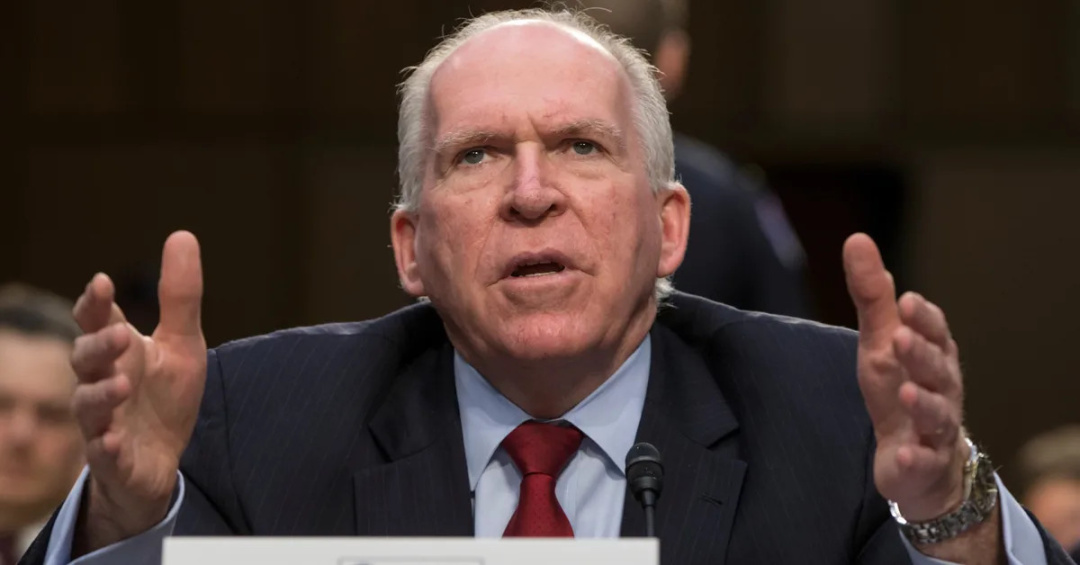
Former CIA Director John Brennan has filed a lawsuit seeking a court order to compel the Trump administration to preserve documents connected to federal investigations involving him. Brennan's legal team contends that these records could clarify the reasons behind the investigations and bolster his assertion that any potential criminal case is politically motivated rather than based on evidence of wrongdoing.
In the complaint, Brennan cites years of criticism from President Donald Trump, arguing that the president's repeated attacks reflect a long-standing effort to retaliate against him for his leadership of the CIA and his public opposition to Trump. His attorneys emphasize that understanding the motivations of Justice Department officials is essential for assessing whether Brennan's rights have been violated and if the investigations were conducted with vindictive intent.
The lawsuit raises concerns that crucial documents, including emails, messages, and calendars related to the inquiries, could be deleted or lost unless a judge mandates their preservation. Brennan's attorneys assert that these records are vital for evaluating the propriety of the investigations.
Named as defendants in the lawsuit are Trump and several key administration figures, including acting Attorney General Todd Blanche, FBI Director Kash Patel, White House Chief of Staff Susie Wiles, CIA Director John Ratcliffe, U.S. Attorney Jason Reding Quiñones, and Justice Department special counsel Joe diGenova.
This legal action follows a Department of Justice investigation initiated after House Judiciary Committee Chairman Jim Jordan referred Brennan for criminal inquiry last year, alleging that he misled Congress during his 2023 testimony regarding the intelligence community's assessment of Russian interference in the 2016 election. Brennan has denied these allegations, asserting that the investigation is politically motivated. Initially, prosecutors had issued subpoenas for witnesses to testify before a grand jury, but they later withdrew those subpoenas in favor of voluntary interviews.