US Trade Policy Shifts Towards Protectionism Amid National Security Concerns
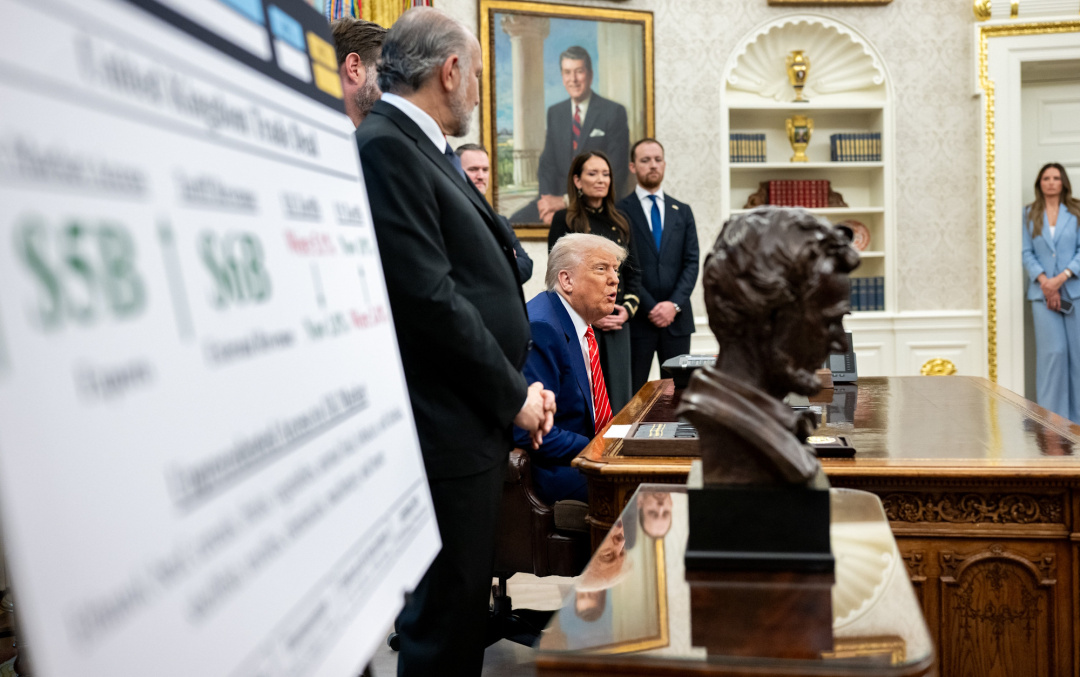
As the United States celebrates its 250th anniversary, the evolution of its trade policy is under scrutiny. Historically, trade has been a contentious issue in the US, with debates often centering on its economic implications. In recent decades, the era of hyper-globalization has given way to a resurgence of protectionist sentiments, largely fueled by domestic job losses and heightened national security concerns, particularly regarding competition with China.
Following World War II, trade's significance in the US economy surged, reaching 25-30 percent of GDP, aided by international agreements like the General Agreement on Tariffs and Trade (GATT) and the World Trade Organization (WTO). However, since the 2008 financial crisis, trade's contribution to the economy has been on the decline, a trend that predates the Trump administration's tariffs but was exacerbated by them. Currently, trade's share of GDP has reverted to levels seen at the beginning of the 21st century, signaling a retreat from the integration achieved over the previous two decades.
Despite these changes, trade has never been as central to the US economy as it is in some other advanced nations, such as the UK, where trade constitutes about 60 percent of GDP. The political ramifications of trade have always been significant, as it creates both winners and losers within the economy. For instance, while mid-20th century trade policies benefited American textile workers, the current landscape sees the US importing cheaper apparel from countries like Bangladesh and India.
To address the political backlash from trade-related job losses, the US established the Trade Adjustment Assistance program in 1962, recognizing the need to support displaced workers. This foresight proved prescient, as trade has consistently sparked political controversy. Notable instances include Ross Perot's 1992 presidential campaign, which capitalized on anti-NAFTA sentiments, and the 1999 protests against globalization during the WTO's Ministerial Conference in Seattle.
The visibility of job losses due to trade has made protectionist measures appealing to politicians, as evidenced by the electoral success of tariffs during the Trump administration in regions affected by such policies. In recent years, the strategic rivalry with China has intensified calls for protectionism, intertwining trade policy with national security issues. Arguments for restricting imports now emphasize reducing dependence on geopolitical rivals for critical goods, such as semiconductors.
This shift has broadened support for protectionist policies across the political spectrum, uniting economic nationalists and those concerned about national security. As a result, protectionism in American trade policy appears to be a lasting trend, reflecting a significant transformation in how trade is perceived and managed in the context of national interests. Stephanie Rickard, a Professor at the London School of Economics, highlights these dynamics in her research on industrial policy and trade protection.