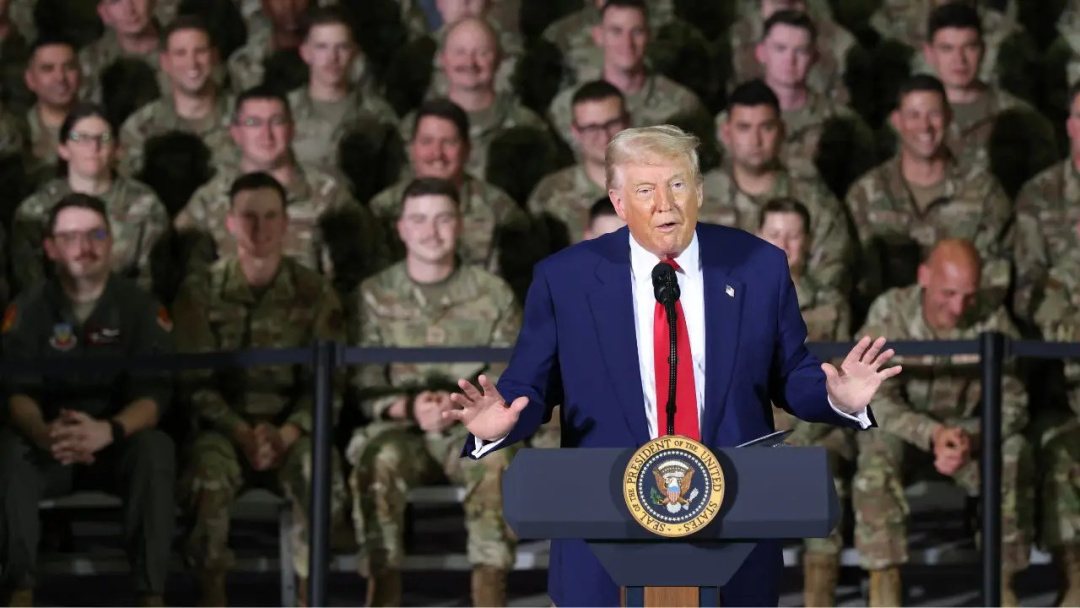
Trump Addresses US Munitions Concerns Amid Ongoing Iran Conflict
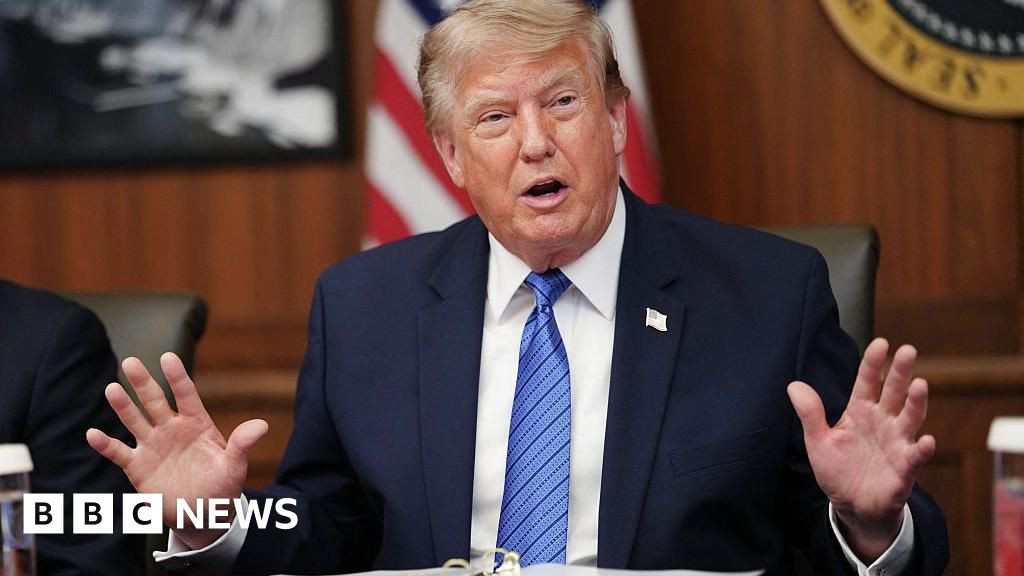
President Donald Trump has publicly rejected reports suggesting that the United States is experiencing a shortage of munitions, asserting in a social media post that the country possesses substantial quantities of munitions, particularly of certain types. He emphasized that additional supplies are being manufactured and shipped to the US as necessary. This statement comes amid increasing scrutiny of the military's arsenal as the conflict with Iran continues into its sixth month, with both nations engaging in ongoing strikes despite intermittent pauses in fighting.
The Trump administration has been working to reassure the public about the strength of US missile stockpiles, even as significant quantities of hard-to-manufacture weapons were utilized during the military operation known as Operation Epic Fury. Reports from CBS News, citing unnamed sources, indicate that the US has depleted much of its global stockpile of long-range precision missiles during the conflict. Furthermore, the Washington Post reported that Trump confronted Defense Secretary Pete Hegseth regarding concerns over a potential weapons shortfall, although this report remains unconfirmed by the BBC.
In a post on Truth Social, Trump stated, "The 'leakers' of these treasonous statements are being hunted down," and vowed to pursue long-term jail sentences for those responsible. The specifics of US missile stocks are classified, but the Center for Strategic and International Studies (CSIS) estimates that by the end of July, the US had between 759 and 827 Patriot missiles remaining, a significant decrease from 2,330 before the conflict began. Additionally, it is estimated that around 60% of terminal high altitude area defense (THAAD) missiles have been used, according to Mark Cancian, a retired Marine Corps colonel and senior adviser at CSIS.
The US is also facing increased demand for its weapons beyond the Iranian conflict, having supplied Ukraine with significant amounts of Patriot missiles since the Russian invasion in 2022. As US stocks dwindle, Cancian anticipates that the Pentagon may be reluctant to fulfill Ukraine's recent request for additional Patriot missiles. During a cabinet meeting, Trump acknowledged that granting Ukraine's request would be a "big step," but noted that discussions were ongoing.
The production of modern weapons involves lengthy funding, ordering, production, and delivery timelines, complicating the swift replenishment of munitions once they are expended. Despite these challenges, the administration has consistently maintained that the US has sufficient stockpiles. Trump previously stated to the Wall Street Journal that the US possesses more munitions than any other nation and more than it requires. Hegseth has characterized reports of a stockpile shortage as a "manufactured story," asserting that the US is actively ramping up production of weapons. Last month, he requested $87 billion in emergency funds from the Senate to support service members and expedite the replenishment of equipment and munitions. As the conflict continues, the dynamics of military readiness and supply remain critical issues for the administration and the nation.