Mata Hari: The Legend of the Courtesan and Spy
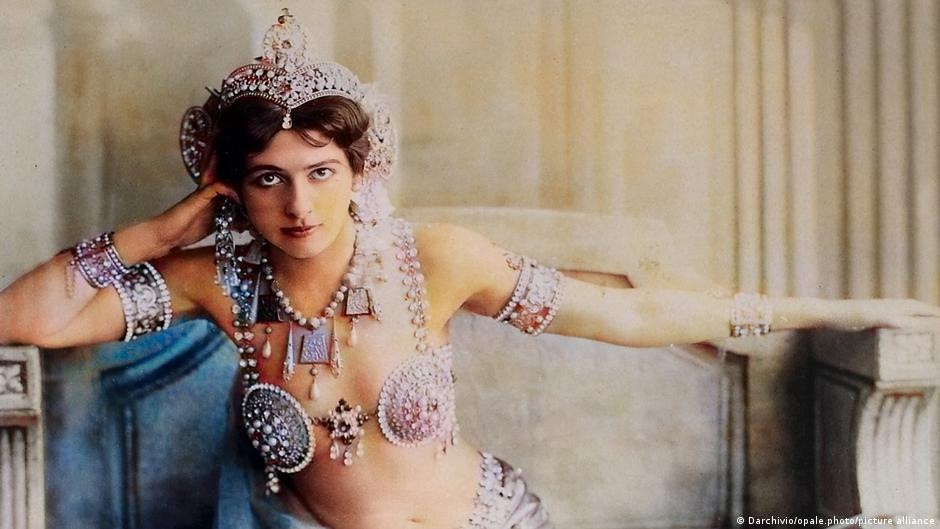
Mata Hari, born Margaretha Geertruida Zelle on August 7, 1876, in Leeuwarden, Netherlands, became a legendary figure in her lifetime, captivating Parisian high society with her exotic dance performances. She presented herself as an Indian temple dancer, weaving a tale of a glamorous past that included a fabricated lineage as the daughter of a Brahmin. Her performances, characterized by veils and suggestive movements, drew large audiences eager for the allure of the exotic during the Belle Époque era.
Mata Hari's early life was marked by luxury, thanks to her father's wealth from stock market speculation. However, this comfort was shattered when her father went bankrupt, leading to her mother's death and a subsequent move to live with relatives. She later married John Rudolf MacLeod, a Dutch officer, and moved to the Dutch East Indies. Their marriage was fraught with conflict, and after the tragic death of their son, the couple separated, leaving Mata Hari to navigate life alone.
In Paris, she initially worked as a model and performer before adopting the persona of Mata Hari, which brought her fame and fortune. She performed in prestigious venues across Europe, mingling with the elite, including diplomats and military officers who were drawn to her charm. However, as World War I began, her popularity waned, and financial pressures mounted.
In a desperate bid to maintain her lifestyle, Mata Hari accepted an offer from the German consul to gather intelligence, becoming known as Agent H 21. She later became a double agent for the French, underestimating the risks involved. Her espionage activities drew the attention of British intelligence, leading to her arrest on February 13, 1917.
Mata Hari was tried and executed for high treason on October 15, 1917, at the age of 41. Eyewitnesses noted her defiance as she faced the firing squad, refusing a blindfold and thanking the commander before her death. Despite her execution, the extent of her espionage activities remains debated, with many historians suggesting she was a scapegoat for a military court seeking to blame someone for wartime failures. Her legacy as a master spy is clouded by uncertainty, yet her ability to captivate and promote herself remains undeniable until her final moments.