Anthropic CEO Dario Amodei Refines AI Principles Amid Competitive Landscape
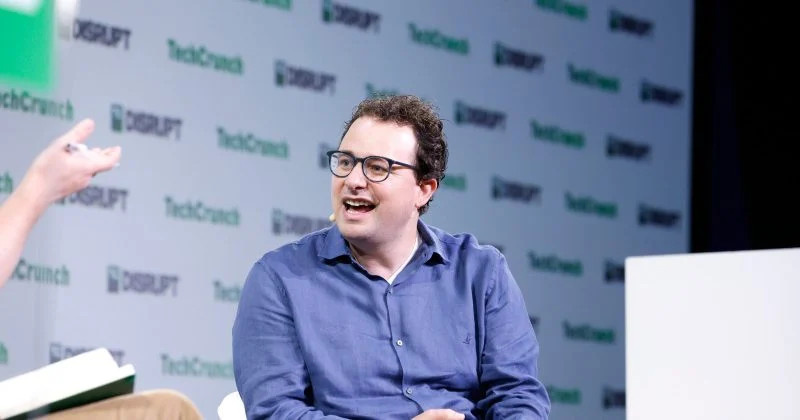
Dario Amodei, the CEO of Anthropic, has articulated a refined stance on open-weights AI models, emphasizing a need for a more nuanced approach rather than a complete prohibition. In a blog post dated July 27, Amodei clarified that Anthropic has never advocated for an outright ban on these models. Instead, he proposes targeted measures aimed at ensuring the United States remains competitive while preventing advanced AI technologies from being accessed by adversarial nations, particularly China.
Anthropic has experienced remarkable growth, reporting an 80-fold increase in annualized revenue and usage in the first quarter of 2026. By the end of 2025, the company had reached approximately $9 billion in annualized revenue, and just four months later, this figure surged to around $30 billion.
Amodei's strategy includes specific actions such as imposing export restrictions on advanced chips destined for China, enforcing regulations against large-scale model distillation, and instituting mandatory safety testing for any AI model that meets certain capability thresholds, irrespective of whether its weights are open or closed. This approach contrasts sharply with the recent open letter co-signed by Nvidia, Microsoft, and Meta, which advocated for open-weights AI models. Anthropic chose not to endorse this letter, signaling a divergence in philosophy within the industry.
By framing his arguments around national security rather than solely commercial interests, Amodei strengthens his position against criticism that may label Anthropic's stance as self-serving. This differentiation is crucial as it highlights the potential risks associated with unrestricted access to advanced AI technologies by authoritarian regimes.
Anthropic's decision to diverge from the open-weights consensus has significant implications for how the market evaluates various AI companies. While firms like Meta, which promotes openness through its Llama models, bet on the value of widespread access, Anthropic is banking on the belief that controlled access to powerful AI models will yield greater returns. The market appears to be rewarding this strategy, as evidenced by Anthropic's impressive revenue growth.
Amodei's focus on export controls and anti-distillation measures suggests a regulatory landscape that could fundamentally alter competitive dynamics in the AI sector. Companies that have already established compliance frameworks for safety testing may find themselves at a distinct advantage in this evolving environment. Founded in 2021 by Amodei and several former OpenAI researchers, Anthropic was built on principles such as the Responsible Scaling Policy and Constitutional AI, which continue to guide its operations as it navigates the complexities of the AI arms race.