Knesset Advances Bill to Regulate Mosque Noise Amid Opposition Support
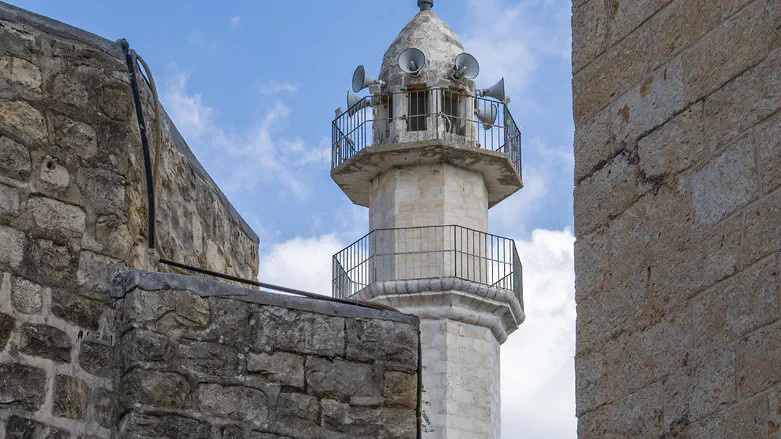
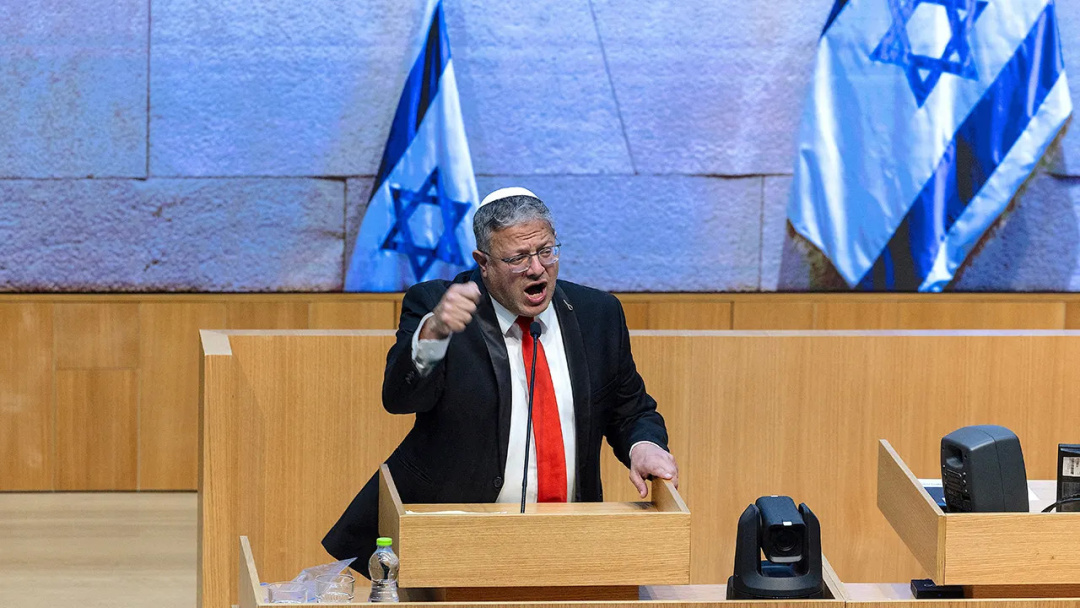
In a significant move, the Knesset approved a bill on Wednesday that seeks to regulate noise from mosques, with support from both coalition and opposition members. The legislation, championed by National Security Minister Itamar Ben-Gvir and Knesset National Security Committee Chairman MK Tzvika Foghel, passed with 50 votes in favor and 36 against. Notably, the Shas party, which had previously expressed concerns over its support due to ongoing issues related to the conscription law, ultimately backed the bill, alongside the opposition party Yisrael Beytenu.
The proposed law stipulates that no public address system can be installed or operated without a permit. These permits will be evaluated based on several factors, including the volume of sound, measures to mitigate it, the mosque's location, and its proximity to residential areas. In the event of a violation, police officers will have the authority to demand an immediate cessation of noise, and if the issue persists, they can confiscate the public address system.
Fines are also a key component of the bill, with penalties reaching up to 50,000 NIS for unauthorized installation or operation of public address systems, and 10,000 NIS for operating in violation of permit conditions. This legislation differs from previous attempts, which primarily focused on limiting operational hours and allowed for broad exceptions with limited enforcement. The current bill introduces a structured licensing and supervision system, places personal accountability on operators, and enhances enforcement and punitive measures. Additionally, funds collected from fines will be allocated to public projects.
The explanatory notes accompanying the bill emphasize that noise pollution poses a public health risk and that existing enforcement measures have been insufficient. The new regulatory framework aims to establish a clear prohibition, an explicit permit process, and significant fines to improve residents' quality of life.
Minister Ben-Gvir remarked that the muezzin's call often constitutes excessive noise that negatively impacts residents' well-being. He noted that the Israel Police have begun addressing this issue and that the bill provides them with additional tools to tackle it effectively. MK Foghel echoed these sentiments, stating that excessive volume from muezzin broadcasts is not merely a religious concern but a public health issue that requires decisive action to protect residents from ongoing disturbances.