Trump Administration Proposes New Tariffs on Brass Instruments
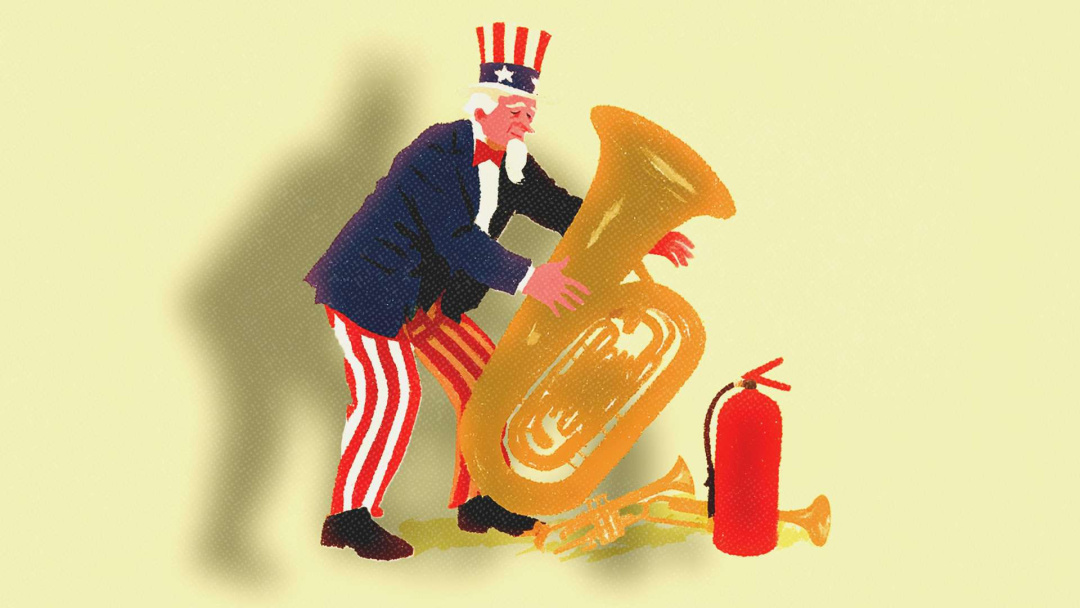
The Trump administration is moving forward with a proposal to impose new tariffs on brass instruments and their parts, citing national security as the primary justification. This initiative would introduce a 25 percent import tax, extending existing tariffs on steel, aluminum, and copper. The Department of Commerce's recent six-page document mentions "national security" multiple times, advocating for higher tariffs on various products, including construction equipment and fire extinguishers, alongside brass instruments.
Critics have questioned the logic behind targeting brass instruments as a security threat. Bryan Riley, director of the free trade initiative at the National Taxpayers Union Foundation, expressed skepticism, asking why instruments like trumpets and trombones are considered risks to U.S. security. He noted that the Pentagon is unlikely to be concerned about adversaries using musical instruments as weapons.
The administration's previous tariff increases have already impacted the musical instrument market. The effective tariff rate on all musical instruments reached 16.6 percent in early 2026, a significant rise from 2024 levels. This increase has led to a 20 percent decline in musical instrument imports, according to analysis from the Peterson Institute for International Economics (PIIE).
While the theory behind tariffs is to protect domestic manufacturers by making imports more expensive, the reality has been less favorable. Conn Selmer, a leading producer of marching band instruments, announced plans to close its Ohio factory and move production overseas, highlighting the challenges faced by American manufacturers.
Cullen Hendrix, a senior fellow at PIIE, pointed out that higher tariffs have not resulted in increased domestic production. Instead, they have raised prices and reduced the availability of instruments, particularly for beginners. The rising costs of copper, a key material in brass instrument manufacturing, further complicate the situation for American producers.
As the administration considers these new tariffs, concerns about affordability for American families and musicians are growing. Critics argue that the use of national security as a justification for such tariffs is misguided, especially when the military's needs for musical instruments are not pressing. Many believe that Congress should reevaluate the administration's authority to impose tariffs under the guise of national security, particularly when the implications for the economy and consumers are significant.