CIA Director Compares AI Cyber Tools to Digital Nuclear Weapons
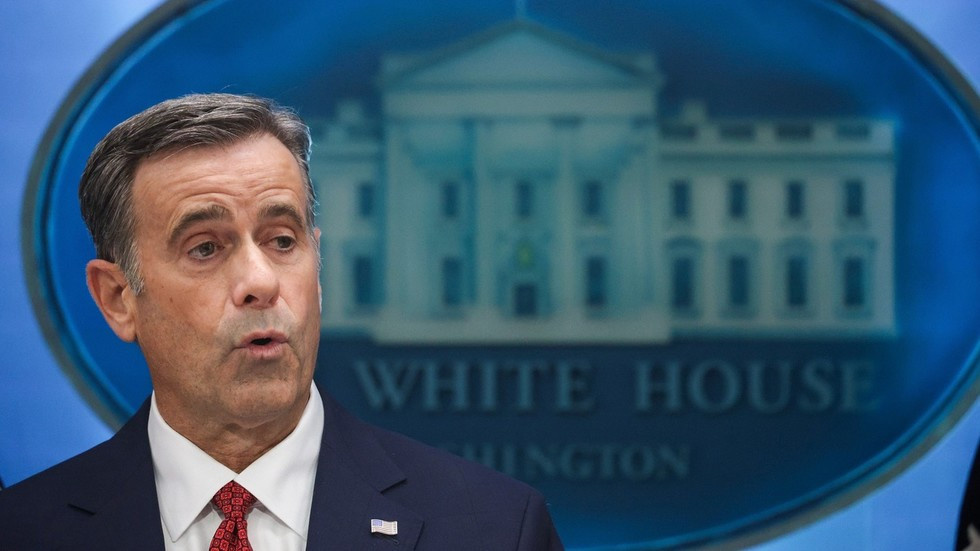
In a recent address at the Amazon Web Services summit in Washington, CIA Director John Ratcliffe raised alarms about the implications of AI-driven cyberoffensive tools, comparing their potential impact to that of digital nuclear weapons. He underscored the necessity for the CIA to accelerate the integration of private-sector AI technologies to stay ahead in the escalating competition with global adversaries. Ratcliffe stated, "AI tools will only continue to raise the stakes in our competition with all of America’s adversaries," reflecting concerns shared within the Trump administration.
Ratcliffe pointed out that rival nations are actively working to exploit and manipulate American technological advancements for their own benefit. This warning aligns with recent assessments from the Five Eyes intelligence alliance, which includes Australia, Canada, New Zealand, the UK, and the US. They indicated that emerging AI models are expected to significantly enhance both offensive and defensive cyber capabilities, with transformative changes anticipated within months rather than years.
During an Intelligence Committee hearing, US Senator Mark Warner echoed Ratcliffe's concerns, revealing that National Security Agency chief Joshua Rudd had informed him of Anthropic’s Mythos 5 model breaching nearly all classified systems in mere hours. However, reports suggest that this characterization may have oversimplified the NSA's controlled tests, which were focused on identifying cybersecurity vulnerabilities rather than actual hacking.
The rapid growth of the American AI sector is fueled by expectations of substantial future profits, leading to massive investments. Yet, some analysts caution that this growth resembles a financial bubble that could burst if US tech companies fail to achieve global dominance. While current AI models excel in areas like coding and data analysis, predictions about fully autonomous driving have not yet materialized as anticipated.
A significant challenge to the US AI initiative comes from foreign competitors, particularly China, which has made notable strides in developing advanced AI tools. The launch of China's DeepSeek app in January 2025, featuring models comparable to US counterparts at a fraction of the cost, raised concerns among US officials about potential intellectual property violations. Additionally, the recent introduction of Zhipu's GLM-5.2 coding assistant has been hailed as a breakthrough, further intensifying competition in the AI landscape.
China's advancements in microchip manufacturing and its energy resources provide it with a competitive edge in the AI race, complicating the US's ability to impose trade restrictions on its rivals. As the global AI landscape evolves, the stakes continue to rise, prompting urgent discussions about national security and technological supremacy.