U-2 Spy Planes Sparked UFO Reports in the 1950s
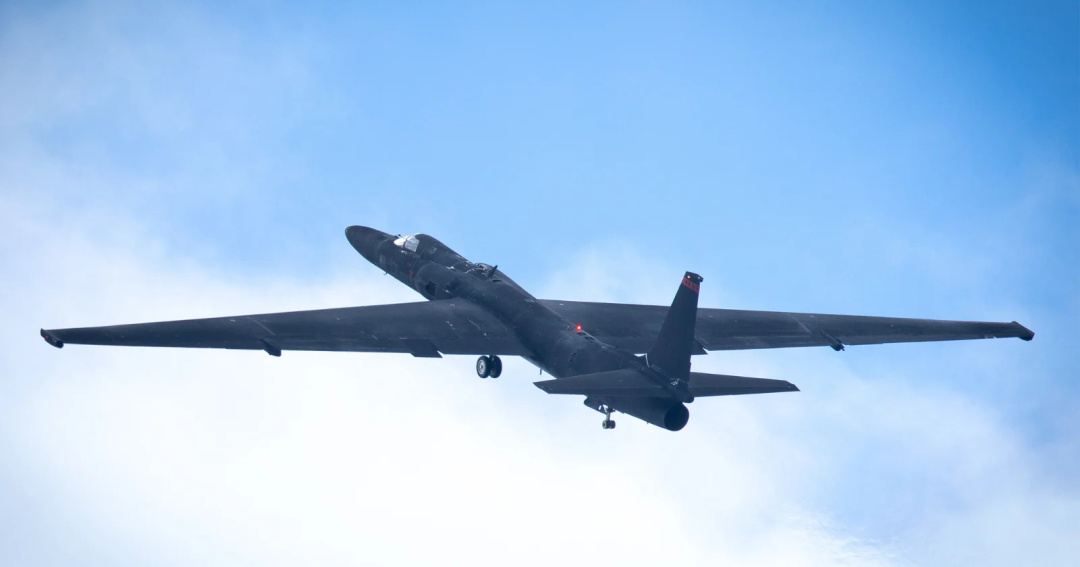
In the mid-1950s, a commercial pilot flying over the American Midwest spotted what he described as a burning object in the sky. This sighting was not an isolated incident; numerous pilots and air traffic controllers reported similar observations, all of which were later linked to U-2 spy planes operating at unprecedented altitudes. While commercial airliners typically cruised between 10,000 and 20,000 feet, and military aircraft generally stayed below 40,000 feet, the CIA's U-2 flew at altitudes of 60,000 feet and higher, creating a stark visual contrast that led to widespread confusion.
The U-2's silver exterior reflected sunlight in a way that made it appear as if it were on fire to those below. Gerald Haines, a historian for the National Reconnaissance Office, noted that the planes caught sunlight during dawn and dusk, contributing to the optical illusion. As a result, when air traffic controllers received reports of fireballs at impossible altitudes, they turned to Project Blue Book, the Air Force's program for investigating UFO sightings.
Between 1947 and 1969, Project Blue Book logged over 12,000 sightings, with 701 remaining unexplained when the program concluded. Some investigators were aware of the U-2 flights and offered alternative explanations, such as ice crystals or temperature inversions, while privately cross-referencing sightings with U-2 missions. This secrecy was deemed necessary to protect the intelligence value of the spy planes from potential adversaries like the Soviet Union.
The CIA's internal studies later suggested that U-2 flights accounted for more than half of the UFO reports during the late 1950s and 1960s. This claim, however, has been met with skepticism. Critics, including UFO researcher Robert Sheaffer, argue that the timing and locations of reported sightings do not align with U-2 flight records, raising questions about the validity of the CIA's assertions.
In 2005, the National Security Archive requested the CIA's internal history of the U-2 program, which was released in a less redacted form in 2013. This document provided a clearer picture of the program's operations and its connection to UFO sightings, even placing Area 51 on a map. The CIA later acknowledged the significance of this history, with its Twitter account noting that the most-read document shared in 2014 was about the U-2 program, encapsulated by the phrase "it was us."
The narrative surrounding UFO sightings and the U-2 program illustrates a complex interplay between secrecy and public perception. While the CIA's estimates suggest a significant link between the spy planes and UFO reports, the lack of concrete evidence supporting these claims has led to ongoing debate among researchers and enthusiasts alike. The phenomenon serves as a reminder of how narratives can shape public understanding, often obscuring the truth behind classified operations.