Cyberattack Targets Water Systems in Seven States
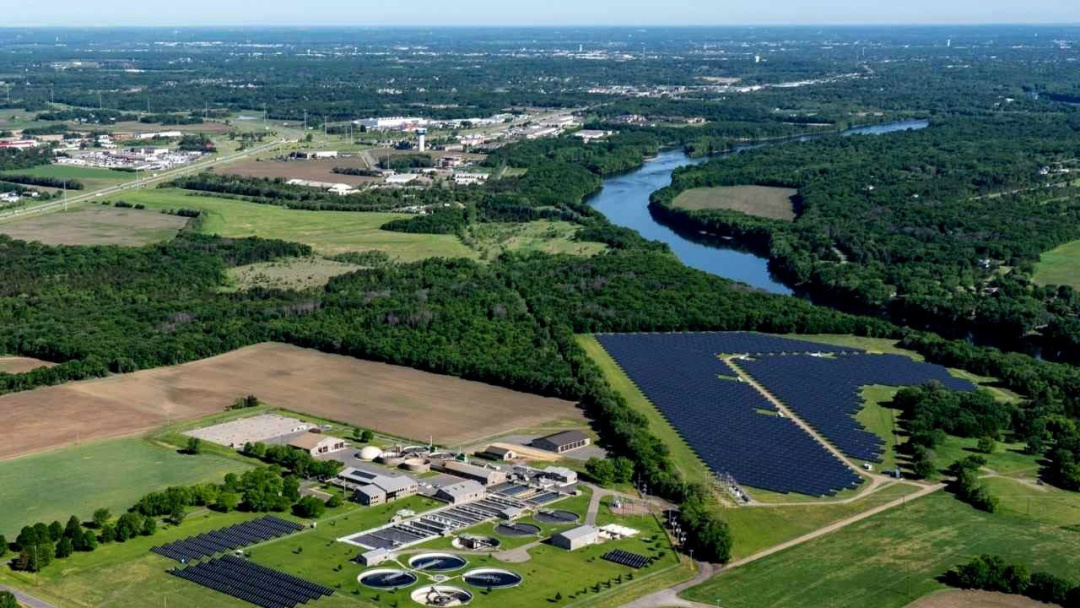
A significant cyberattack has impacted more than 30 community water systems in Minnesota and at least six other states, leading to federal investigations by agencies such as the FBI, CISA, and the EPA. The attack, which occurred on July 26 and 27, has been linked to Iranian-affiliated threat actors targeting critical infrastructure. Minnesota IT Services (MNIT) activated its cybersecurity response team to assist in the investigation. While one water plant temporarily went offline, other communities reported issues with automated controls, prompting workers to revert to manual operations. Fortunately, state officials confirmed that there were no active requests for residents to alter their drinking water use.
The FBI reported that the cyberattack had degraded operations at water and wastewater utility companies in seven states. This incident raises critical questions about the vulnerability of local utilities to cyber threats. Investigators suspect that Iranian hackers may be behind the attack, although officials have not confirmed this attribution. The timing of the attack is notable, as CISA had previously warned that Iranian-affiliated hackers were targeting internet-exposed programmable logic controllers used in water systems.
The attack targeted operational technology, which controls physical equipment like pumps and treatment machinery. In Braham, city officials initially reported an outage at their water plant, which was later attributed to the cyberattack. Other communities, including Plymouth and South St. Paul, also experienced disruptions but maintained water quality. In total, four communities have publicly acknowledged specific impacts, although MNIT indicates that over 30 systems were targeted.
The potential for such attacks raises alarms for local utilities across the United States, which number nearly 170,000. Many of these systems have integrated internet-enabled technology, allowing for remote monitoring but also creating vulnerabilities. Smaller communities often struggle with limited cybersecurity resources, making them attractive targets for cybercriminals.
Federal officials have not publicly connected the recent attack to previous warnings about Iranian hackers, but the possibility remains. The EPA has highlighted that many water systems lack adequate cybersecurity measures, with over 70% of inspected systems violating basic federal requirements. This underscores the need for improved security protocols and contingency plans.
In response to the attack, CISA released guidance urging critical infrastructure operators to isolate vital operational technology from less secure networks. This measure aims to ensure that essential services can continue operating even if other parts of the organization are compromised. Utilities are encouraged to enhance their cybersecurity by changing default passwords and implementing stronger access controls.
While the cyberattack did not result in known contamination of drinking water, it serves as a reminder of the potential risks associated with cyber threats. Residents are advised to stay informed through official channels and to have backup water supplies in case of interruptions. The incident highlights the importance of preparedness and the need for local governments to bolster cybersecurity measures to protect vital infrastructure.