Harvard Astronomer Avi Loeb to Lead White House UFO Research Council
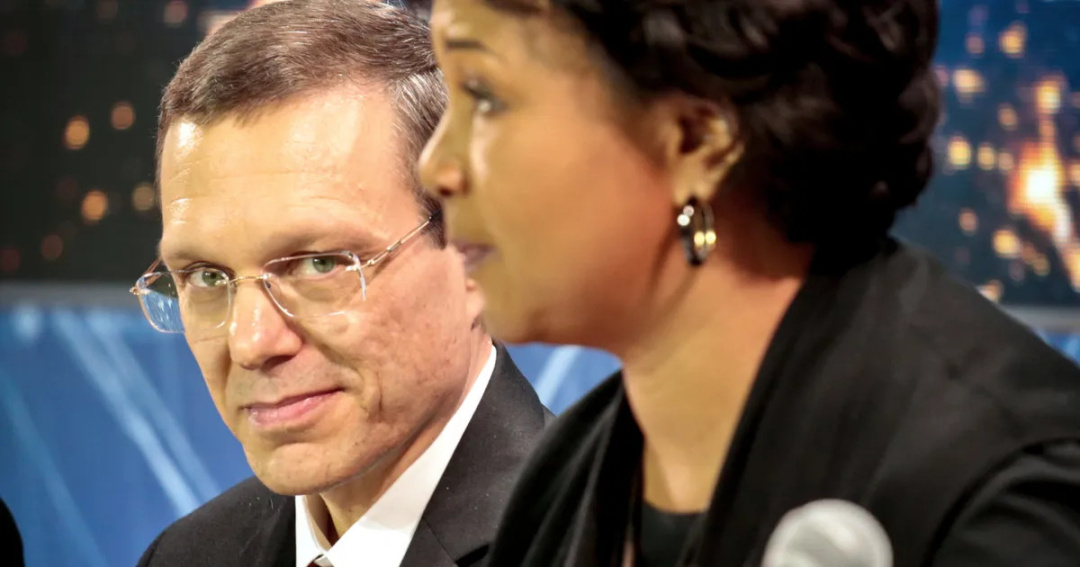
Avi Loeb, a Harvard astronomer recognized for his unconventional theories regarding extraterrestrial life, has been appointed by the White House to lead a new scientific advisory council. This council will examine the national security risks associated with unidentified aerial phenomena (UAP), a term increasingly used to describe UFOs. The initiative is part of President Trump's broader effort to declassify information related to UAPs and enhance transparency on the subject.
Loeb, who previously served as the chair of Harvard's astronomy department, has gained attention for his theories, particularly since 2017 when he proposed that an interstellar object could be a light sail from an alien spacecraft. His views have garnered both support and criticism; while some in the UFO community praise his work, many academic peers accuse him of lacking rigorous evidence and adhering to established scientific methods.
In his new role, Loeb will lead a team of scientists and UFO activists, including retired Rear Admiral Timothy Gallaudet, who has raised concerns about UAPs potentially being controlled by nonhuman intelligence. The team has already requested over 50 videos and documents from the Pentagon related to known UAP incidents, signaling a proactive approach to their investigation. Loeb has committed to keeping the public informed about their findings, promising to create a website for updates.
Despite facing skepticism, Loeb remains undeterred by criticism from fellow scientists, asserting that his approach will be grounded in a national security perspective. He emphasizes that his initial assumption will be that UAPs are human-made, while still allowing for the possibility of extraterrestrial origins. Loeb's previous work includes founding the Galileo Project at Harvard, which aims to search for evidence of alien civilizations.
The White House's initiative comes amid a growing bipartisan push in Congress for increased transparency regarding UFOs, with some lawmakers suggesting that the government may be withholding evidence of alien encounters. However, the Pentagon has stated that it has found no evidence of extraterrestrial life. Loeb has distanced himself from conspiracy theories, suggesting that the government is simply perplexed by the nature of these phenomena.
As the council begins its work, Loeb's controversial reputation in the scientific community raises questions about the direction of the investigation. Critics argue that his leadership may prioritize fringe theories over established scientific inquiry. Nonetheless, Loeb remains focused on the task at hand, stating, "Let’s keep our eyes on the orbs, not the social media."