Marco Rubio Warns of Cuba's Espionage Threat and Influence in U.S.
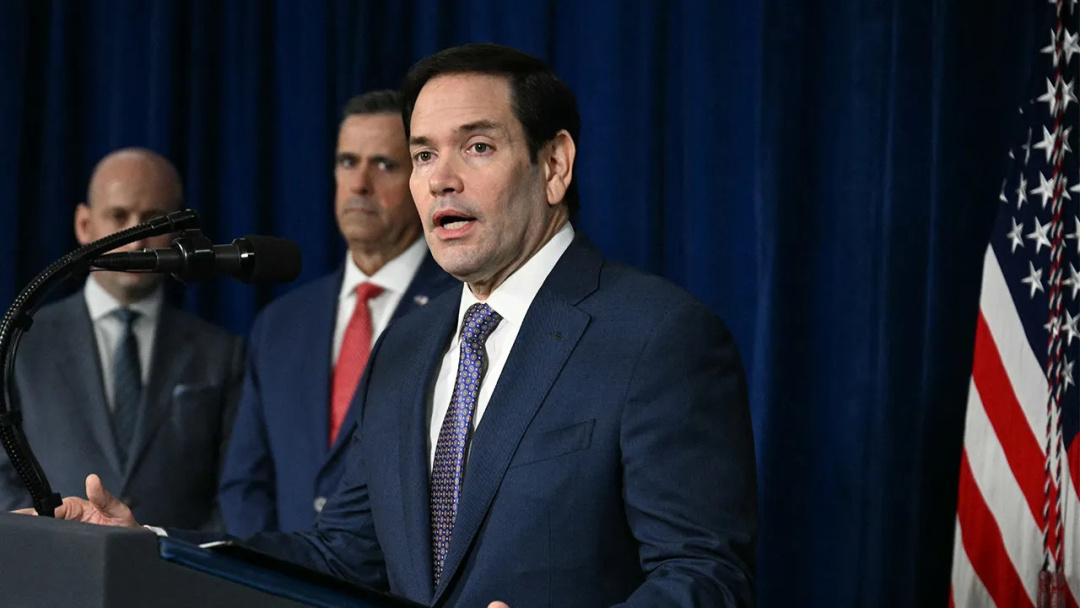
U.S. Secretary of State Marco Rubio recently highlighted the threat posed by Cuba's espionage activities, asserting that the communist regime is undermining American interests. In an interview on Fox News, Rubio connected Cuba's actions to the rise of violent protests, including those associated with Antifa, emphasizing that the regime, located just 90 miles from U.S. shores, represents a significant national security risk.
Rubio's remarks came shortly after the U.S. State Department released a comprehensive report titled "Cuba: The Capital of 21st Century Communism," which outlines the Castro regime's long history of actions against the United States. The report details how Cuba has established an espionage network that operates within the U.S., posing a direct threat to national security.
Rubio pointed out that while the issue of Cuban espionage may be familiar to some, many Americans might underestimate the regime's capabilities. He referred to Cuba as an 'espionage superpower,' noting its history of successfully embedding spies in U.S. systems without financial compensation. He cited the case of Victor Manuel Rocha, a former U.S. ambassador who was convicted of espionage for the Cuban regime, and Ana Belén Montes, whose infiltration of the Defense Intelligence Agency was one of the most significant intelligence failures in U.S. history.
The Secretary of State also discussed the broader implications of Cuba's influence, stating that many leftist insurgencies in Latin America over the past five decades have received support from the Cuban regime. He described the protests that erupted in the U.S. in 2020 as being part of a coordinated effort, with the same networks now mobilizing against Immigration and Customs Enforcement (ICE) agents.
Rubio asserted that these protests are not organic but rather organized and funded, with Cuba playing a critical role. He expressed concern that this network is being weaponized against the U.S. and that it is openly discussed among those involved in these movements.
When asked about potential criticisms of the State Department's report as scare tactics, Rubio defended its factual basis, stating that the information presented is indisputable. He acknowledged that there are individuals in academia and the media who sympathize with the Cuban regime, which complicates the narrative surrounding Cuba's actions.
Rubio concluded by stressing the importance of recognizing and addressing the threat posed by Cuba, despite the presence of sympathizers within American society. He emphasized that the regime's espionage activities cannot be ignored, as they continue to pose a significant risk to U.S. national security.