White House Acknowledges Aluminum Tariffs Failed to Boost Domestic Production
The White House has acknowledged that the tariffs on imported aluminum, implemented by former President Donald Trump, have not achieved their intended goal of boosting domestic production. When the tariffs were first introduced in March 2018, the administration argued that aluminum imports posed a threat to national security, necessitating increased domestic production to ensure a reliable supply for defense and other critical needs. However, despite the tariffs, which have seen increases from 10 percent to 25 percent, and additional tariffs on aluminum products, domestic production has not improved.
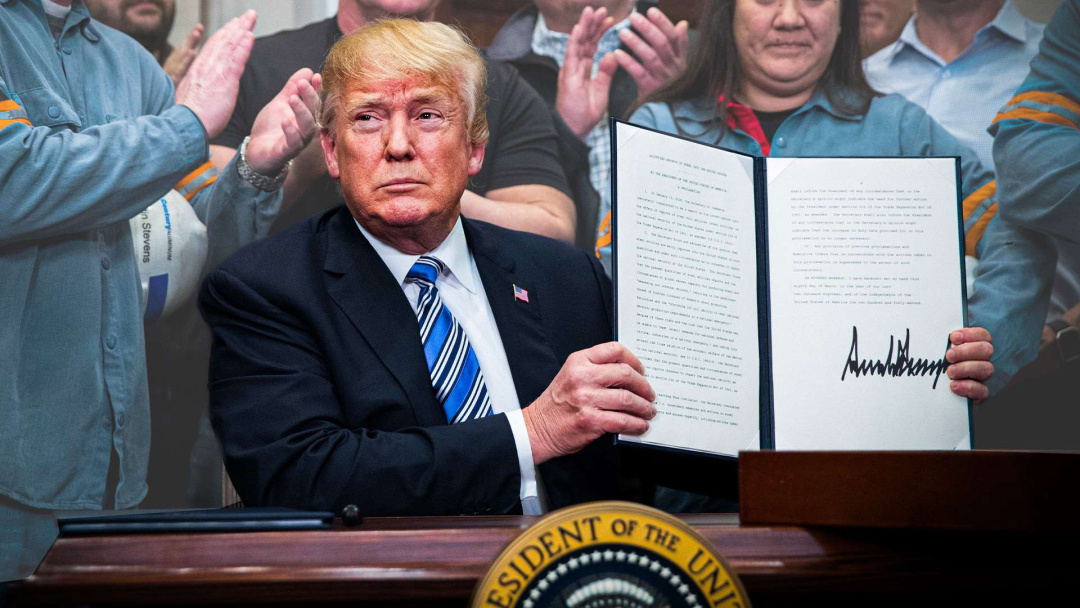
In a recent statement, Trump noted that the supply of primary aluminum remains insufficient for the U.S. economy and defense needs, citing information from Commerce Secretary Howard Lutnick. In response, Trump signed an executive order on July 20, tightening the aluminum tariff rules and eliminating exemptions. The order also introduced incentives for companies that invest in expanding domestic production, allowing them to receive tariff reductions.
Despite these measures, skepticism remains regarding the effectiveness of the tariffs. Industry experts have pointed out that the requirements for tariff relief, including detailed documentation of raw material sources and project milestones, may complicate compliance for companies. Critics argue that after eight years of these tariffs, it is time to reconsider their efficacy.
The rationale for the tariffs has been questioned, particularly given that approximately 70 percent of aluminum imports come from Canada, a close ally. The likelihood of a conflict that would disrupt aluminum supplies from Canada has been deemed low, especially since many aluminum producers operate across the U.S.-Canada border.
Given the failure of the aluminum tariffs to meet their primary objective, there are calls for a reassessment of the policy. Reducing or eliminating tariffs on imports from allied nations could alleviate rising costs for American industries and consumers, suggesting that a new approach may be necessary to address the challenges in the aluminum market.