FCC Bans Foreign Robot Vacuums Over Security Concerns
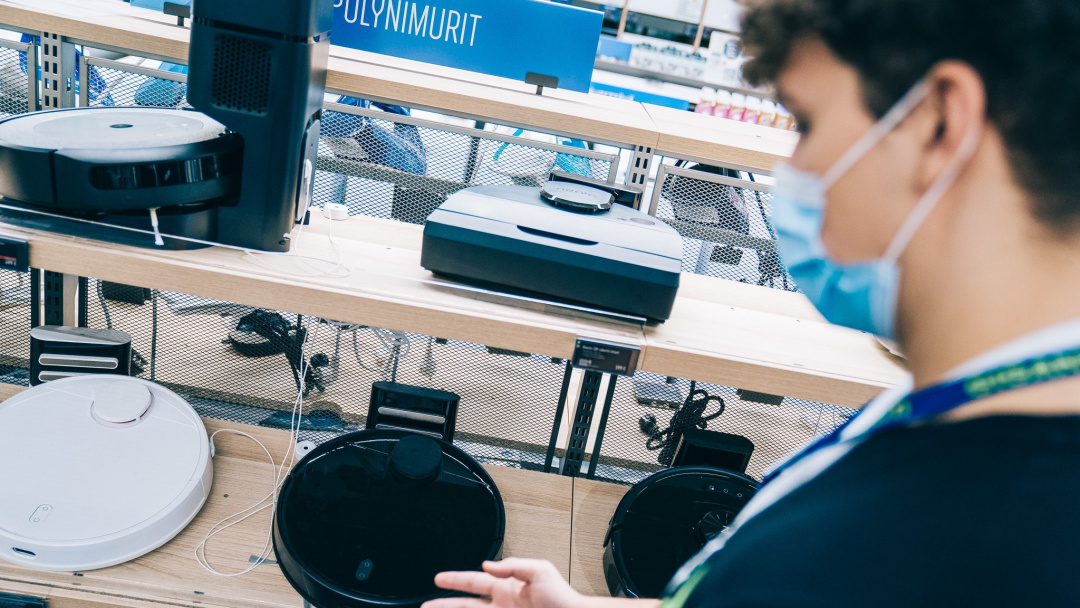
The U.S. Federal Communications Commission (FCC) has announced a ban on foreign-made robot vacuum cleaners as part of its expanded list of prohibited devices aimed at safeguarding national security. This decision reflects growing concerns that advanced robotic devices, equipped with sensors and mapping technology, could pose significant cyber and intelligence risks to critical infrastructure. The FCC's ruling does not specify particular brands or models but emphasizes the vulnerabilities associated with networked devices that could be exploited by malicious actors.
Previously, the FCC had already prohibited routers and drones manufactured outside the United States. The agency's updated policy highlights that reliance on foreign robotic devices could facilitate espionage and enhance the capabilities of foreign intelligence services, potentially allowing for the remote hijacking of these devices.
The new regulations primarily target autonomous electronic devices with intelligent navigation systems, which include not only robot vacuum cleaners but also robotic lawnmowers and delivery robots. Importantly, the ban does not affect existing models currently in use, which can continue to operate as long as manufacturers provide necessary software updates and support. The restrictions apply only to new models introduced in the future.
Manufacturers wishing to sell new robot vacuum models in the U.S. must now commit to domestic production and demonstrate that a significant portion of their components is sourced from within the country. The FCC has set ambitious targets, requiring that by 2028, 65 percent of a device's components should be of American origin, increasing to 75 percent by 2029. This presents a considerable challenge for many brands, as the production of electronic components is predominantly concentrated in Asia.
Most major robot vacuum manufacturers currently produce their devices in Asian countries such as China, Vietnam, or Taiwan. The ruling also impacts brands like Husqvarna and Stiga, known for their robotic lawnmowers. Notably, iRobot, the largest American-owned robot vacuum manufacturer, was sold to a Chinese entity last winter, complicating its ability to comply with the new regulations despite its American ownership.
The FCC's decision raises questions about how many manufacturers will be able or willing to relocate production to the U.S. or increase the domestic component share to meet the new requirements. Some companies may invest in new facilities or partner with American subcontractors to maintain market access, while others might limit their offerings or withdraw from the U.S. market altogether. This could lead to a reduced selection of robot vacuum cleaners available to American consumers and a delay in the introduction of the latest features.
In the short term, consumers may see new models from major manufacturers being sold primarily outside the United States, resulting in a surge of previously unavailable models in European markets. This influx could create price pressures in those markets as competition increases with the arrival of new products.