Bill Gates Granted Top Security Clearance Amid Controversial Virus Research
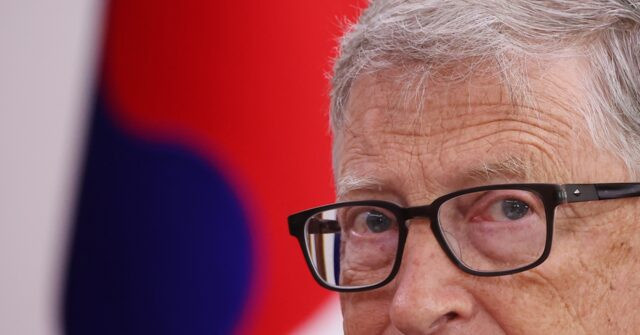
Bill Gates, the co-founder of Microsoft, was granted top security clearance by the Department of Energy (DOE) from 2014 to 2021, according to a letter obtained by Senator Rand Paul (R-KY). This clearance, known as "Q security clearance," is typically reserved for individuals involved in sensitive areas such as nuclear weapons design and classified scientific research. The timing of Gates' clearance overlaps with Dr. Anthony Fauci's leadership at the National Institute of Allergy and Infectious Diseases (NIAID), raising questions about Gates' potential involvement in controversial virus research.
Senator Paul introduced the letter during a recent committee hearing where Dr. Fauci faced scrutiny over his handling of the COVID-19 pandemic and his agency's funding of research at a Chinese lab suspected of being linked to the virus outbreak. During the hearing, Fauci invoked the Fifth Amendment over 100 times when questioned about his actions and decisions.
The concerns surrounding Gates' clearance stem from the nature of the research being conducted during that period, particularly gain-of-function studies, which involve manipulating viruses to enhance their transmissibility and virulence. Critics, including Senator Paul, have argued that such research poses significant risks, especially when conducted in labs that may not adhere to strict safety protocols.
Paul has been vocal about holding Fauci accountable for his role in the pandemic response, emphasizing that both Chinese authorities and U.S. officials, including Fauci, share responsibility for the consequences of the research. He pointed out that Gates has been actively involved in efforts to identify viruses in remote locations, which further complicates the narrative surrounding his security clearance.
The DOE and the Gates Foundation have yet to respond to inquiries regarding the implications of Gates' clearance and his involvement in sensitive research. As the investigation continues, the intersection of public health, national security, and private interests remains a focal point of discussion in the ongoing debate about pandemic preparedness and response.