Rubio Warns of Cuban Espionage Threat to U.S. National Security
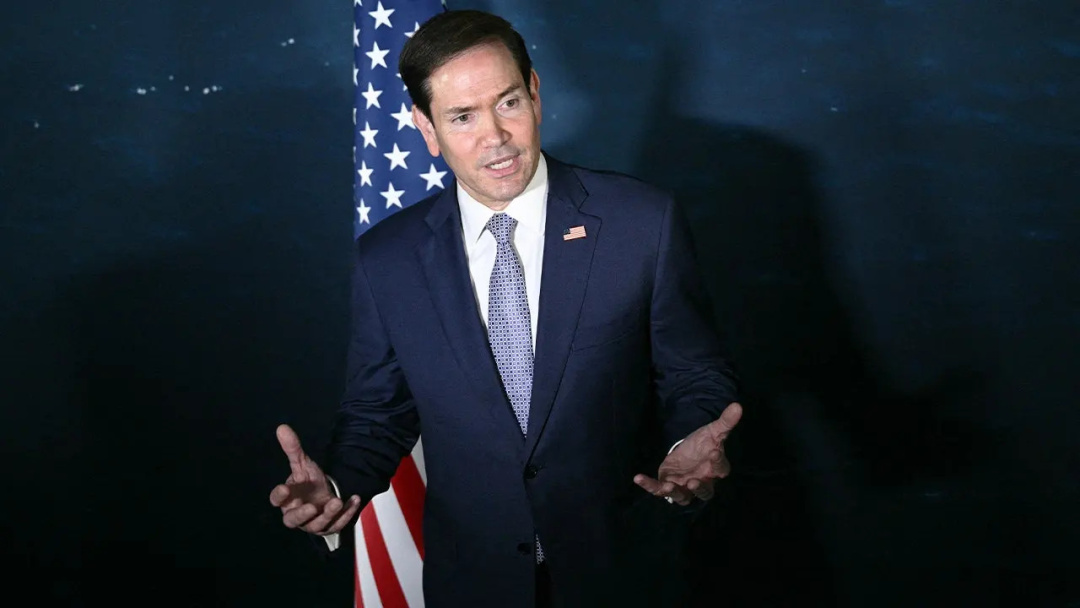
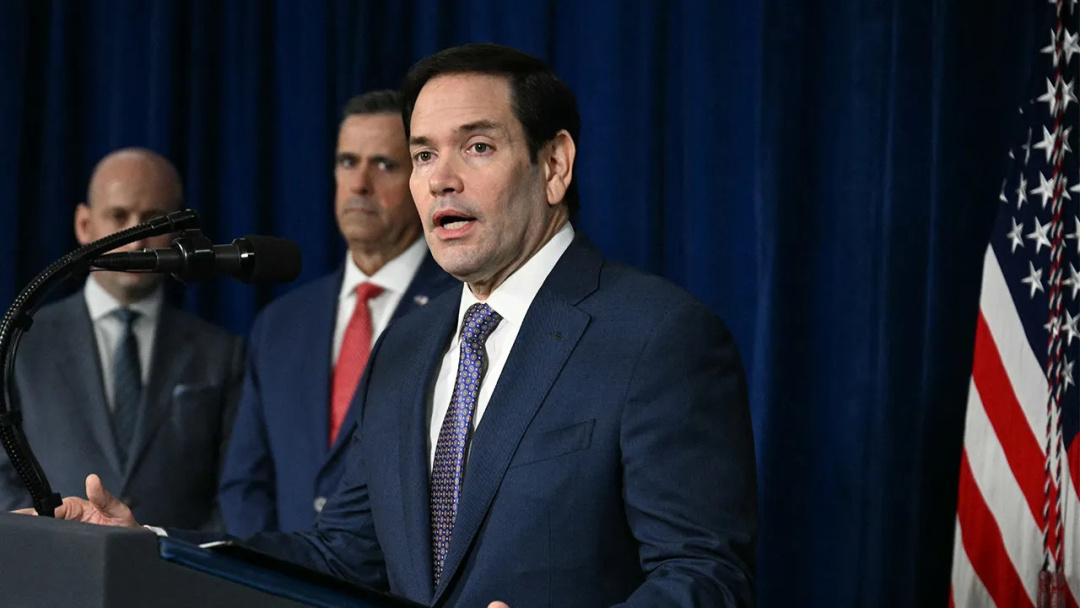
Secretary of State Marco Rubio has expressed serious concerns regarding Cuba's capacity to infiltrate and influence key U.S. institutions, highlighting what he describes as a perilous Cuban spy network that undermines American interests. During an appearance on 'My View with Lara Trump,' Rubio stated, "A failed state 90 miles from our shores that happens to be aligned with adversaries to the United States is a national security threat to our country." His remarks follow the release of a comprehensive 100-page report from the State Department, which outlines Cuba's influence operations in the U.S. and links the nation to groups like Antifa and radical activism, dubbing it the "capital of 21st-century communism."
Rubio emphasized that Cuba operates as an influence and espionage superpower, noting its historical ability to embed spies within the U.S. without financial compensation. He referenced the case of a former U.S. ambassador who was recently convicted for acting as a Cuban spy and highlighted the penetration of the Defense Intelligence Agency (DIA) by Cuban operatives.
One notable example is Ana Belén Montes, a DIA analyst who was convicted for passing American secrets to Cuba, which Rubio described as one of the most significant intelligence failures in U.S. history. He further claimed that Cuba utilizes networks of protesters across the country to advocate for various causes, aiming to exert pressure on U.S. lawmakers. According to Rubio, protests related to issues such as anti-ICE and pro-Maduro sentiments are orchestrated by Cuban-hired networks.
Rubio asserted, "There's nothing organic about it. It is funded, it is organized and Cuba is a part of that network and in some cases a critical part of the network." He warned that this network could be weaponized against the U.S., with Cuban officials openly discussing their strategies to influence American policymakers.
In addition to domestic operations, Rubio accused Cuba of conducting dangerous influence campaigns throughout Latin America, stating that many left-wing insurgencies in the region have received support from Cuban influence operations over the past several decades. Critics of the State Department's report argue that it serves as a scare tactic that could justify military action against Cuba.
Rubio also addressed sympathizers of the Cuban regime in the U.S., particularly within academia and the media, suggesting that their views are often driven by anti-American sentiment or ideological affinity. He concluded by emphasizing the importance of recognizing and addressing the threat posed by Cuba, regardless of differing opinions on the regime.