Iran Suspected in Cyberattack on US Water Systems

US authorities are currently investigating a large-scale cyberattack that has targeted water systems in at least seven states, with Iran emerging as the primary suspect. Although there have been no reports of disruptions to drinking water supplies, US security officials have raised the alert level due to concerns that the attackers may have attempted to interfere with control systems responsible for monitoring water quality and chemical levels.
The investigation began after Minnesota reported a breach in its water systems, which was followed by similar reports from states including Michigan. The FBI and the Environmental Protection Agency (EPA) have confirmed that at least seven states have reported suspicious incidents, although no impact on public water supplies has been detected so far.
Reports indicate that Iran is the leading suspect behind the cyberattack. However, officials have stressed that the investigation is still in its early stages and that no conclusive evidence has been found to formally attribute responsibility to Tehran. This incident has drawn comparisons to a previous Iranian cyberattack on Israel's water infrastructure in 2020, which aimed to alter chlorine levels in drinking water by infiltrating control systems. That attack was thwarted before it could cause significant damage.
US officials believe that the attackers in this case attempted to seize control of systems monitoring water quality and chemical dosing, and may have sought to trigger emergency protocols at multiple facilities. In response, the Cybersecurity and Infrastructure Security Agency (CISA) has recommended that all water utilities disconnect sensitive control components from the internet to mitigate the risk of further attacks.
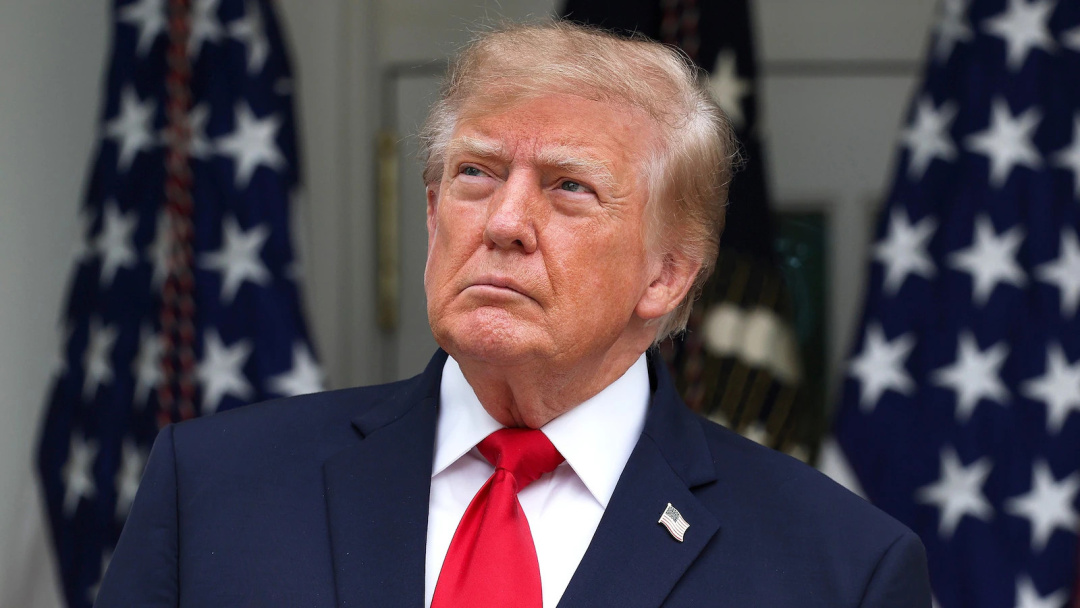
While US President Donald Trump has downplayed the incident and questioned Iran's involvement, federal officials familiar with the investigation maintain that Iran remains the leading suspect, even if it may take months to complete the inquiry. American cybersecurity experts have warned that this attack represents a significant escalation in cyber operations, as it directly targets critical infrastructure that affects civilians' daily lives, rather than merely focusing on information theft or disruption of computer networks.