Government Surveillance Extends Beyond FISA Section 702
Congress is currently deliberating the renewal of Section 702 of the Foreign Intelligence Surveillance Act (FISA), a program that permits the U.S. government to surveil foreign individuals and those communicating with them, including American citizens. Proponents argue that this program is essential for national security, while civil liberties advocates contend that it infringes on constitutional rights. Section 702 expired on June 12 due to a lack of consensus among lawmakers, and discussions about its future have stalled, particularly following the recent confirmation of Jay Clayton as the new director of national intelligence.
Section 702 is designed as a counterterrorism tool, allowing government officials to track foreign individuals to gather intelligence. However, this surveillance often inadvertently captures the communications of law-abiding U.S. citizens, which are stored in government databases for extended periods, sometimes indefinitely. Agencies such as the NSA, CIA, and FBI can access this information for various purposes, including criminal investigations and immigration enforcement.
The current political climate, particularly under the Trump administration, has heightened concerns about the potential misuse of surveillance powers. Recent indictments of activists in Minneapolis, based on private communications, underscore these fears. Regardless of the fate of Section 702, the government continues to monitor millions of Americans through mass incarceration practices. This surveillance, often justified by security concerns, warrants scrutiny similar to that directed at Section 702.
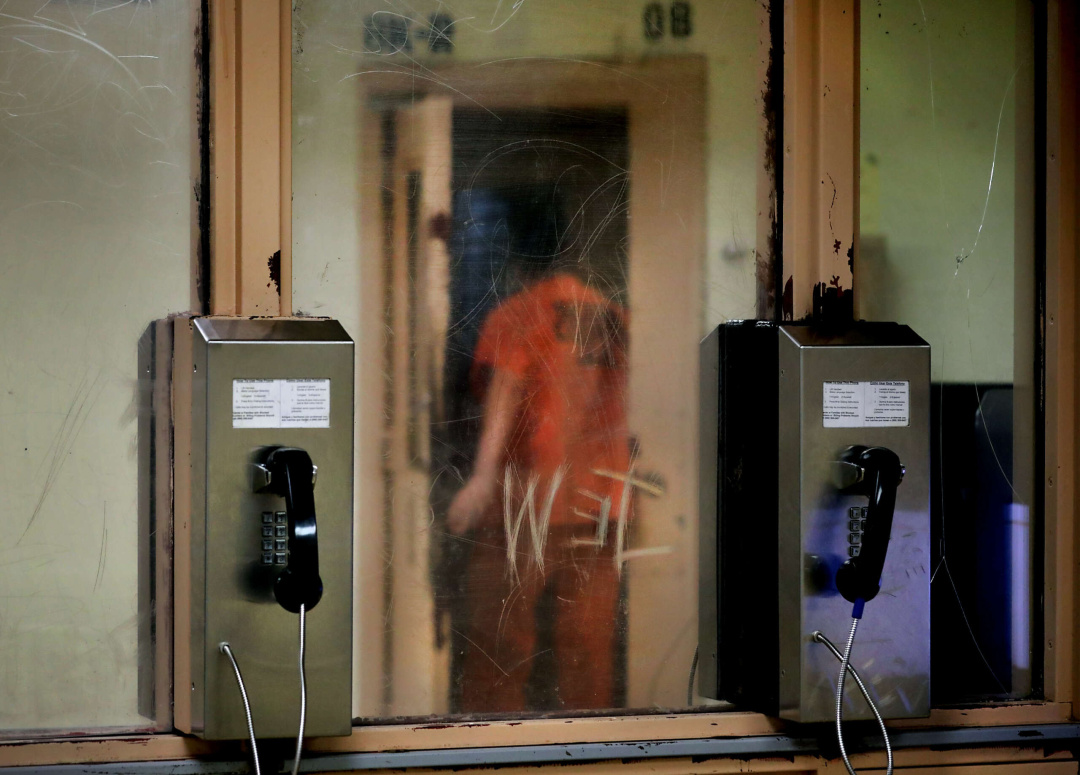
The U.S. leads the world in incarceration rates, with nearly 2 million individuals in jails and prisons. Companies like Securus and ViaPath dominate the telecom market for these facilities, controlling about 80 percent of the sector. They have contracts with numerous states and county jails, facilitating millions of communications between incarcerated individuals and their families or legal representatives. While users are informed that their calls may be recorded, the actual handling of these recordings remains largely opaque.
In 2018, a New York Times investigation revealed that Securus had exploited location-based services from Sprint and T-Mobile to access customer location data without consent. This arrangement not only violated telecommunications privacy laws but also allowed the government to bypass Fourth Amendment protections against unreasonable searches. The misuse of customer data for law enforcement purposes raises serious ethical and legal questions.
Securus and similar companies are investing heavily in advanced surveillance technologies, including biometric data collection and eavesdropping capabilities. In 2024, a class-action lawsuit was filed against the New York City Department of Correction, alleging that it operates a mass surveillance system that violates legal protections for incarcerated individuals and their contacts. This lawsuit follows revelations that thousands of privileged legal conversations were recorded and shared with law enforcement, further eroding the privacy rights of those involved.
The implications of these surveillance practices disproportionately affect marginalized communities, particularly Black and Brown populations, who are often subjected to heightened scrutiny and surveillance. A 2015 data breach exposed millions of Securus call records, including privileged conversations, highlighting the vulnerabilities in the system.
As discussions about FISA Section 702 continue, it is crucial to recognize the broader surveillance crisis occurring domestically. The practices of jail telecom corporations, operating under the pretext of security, represent a significant threat to privacy rights in the U.S. The ongoing debate over foreign intelligence collection must not overshadow the urgent need to address these domestic surveillance issues.