FCC Targets Chinese-Made Robots in National Security Crackdown
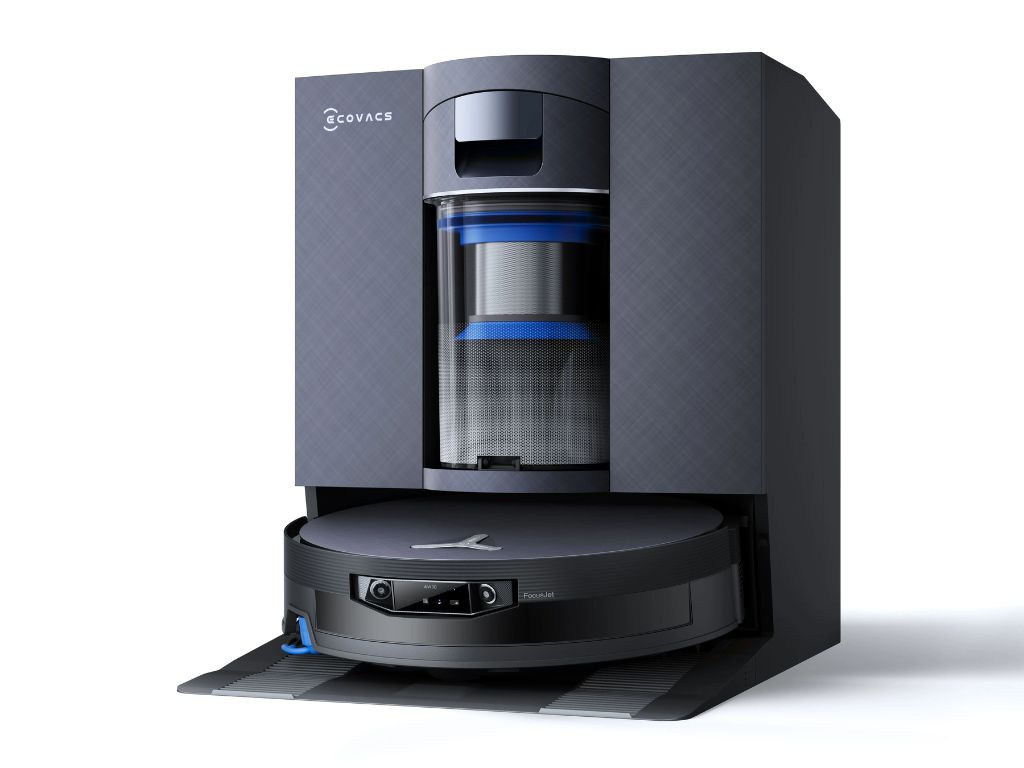
The Federal Communications Commission (FCC) is broadening its crackdown on Chinese-made technology by targeting advanced robotic devices, including robot vacuums and lawn mowers, as part of national security measures. This initiative follows a previous ban on certain Chinese drones and is rooted in a White House order aimed at addressing potential threats to U.S. national security. According to the FCC, officials have determined that foreign-produced advanced robotic devices could be weaponized, posing an unacceptable risk to the safety of U.S. citizens.
The FCC's new restrictions will likely include foreign-made utility robots used in everyday household tasks. An advanced robotic device is defined by the FCC as a mechanical mobile device capable of locomotion, navigation, and obstacle avoidance. This definition encompasses a wide range of products, particularly robot vacuums and humanoid robots. Notably, any such device weighing more than 4.4 pounds, including its docking station, will be added to the FCC's Covered List.
For instance, the Ecovacs Deebot X8 Pro Omni, which weighs approximately 11.7 pounds with its station, falls under this category. This model features advanced navigation sensors, wireless connectivity, and onboard software, making it representative of many robot vacuums currently available on the market.
According to market research firm IDC, the leading companies in the U.S. home-cleaning robot sector are predominantly Chinese, including brands like Roborock, Ecovacs, and Dreame. As a result, new models from these manufacturers may be barred from entering the U.S. market due to the new regulations.
However, there is a provision for devices that have already been authorized for sale prior to the implementation of these new rules. The FCC has clarified that this action will not affect consumers' ability to use devices they have previously purchased, nor will it prevent retailers from selling or marketing models that have already received approval. Furthermore, these approved robots will continue to receive necessary software and firmware updates to ensure consumer safety until at least January 1, 2029.