FCC Prohibits New Foreign Robot Vacuums Over National Security Concerns
The Federal Communications Commission (FCC) has announced a ban on all new foreign-produced advanced robotic devices, including robot vacuums, due to concerns over national security. The agency has identified these networked robotic systems as potential vulnerabilities that could be exploited by malicious actors to control devices and collect sensitive surveillance data from American citizens.
Advanced robotic devices are defined as software-controlled autonomous robots capable of navigating obstacles and equipped with sensors to perceive their environment. This ban is not limited to humanoid robots; it encompasses a wide range of robotic technologies, with robot vacuums being a significant focus. Most robot vacuums available in the U.S. market are manufactured by companies based in China, including the well-known iRobot, which is now owned by a Chinese firm following its bankruptcy.
While companies can continue to import and sell existing robot vacuum models, any new models will require government approval. This approval process is expected to involve a commitment to invest in U.S. manufacturing, although it does not include a thorough investigation into the security practices of these companies, despite the stated national security concerns.
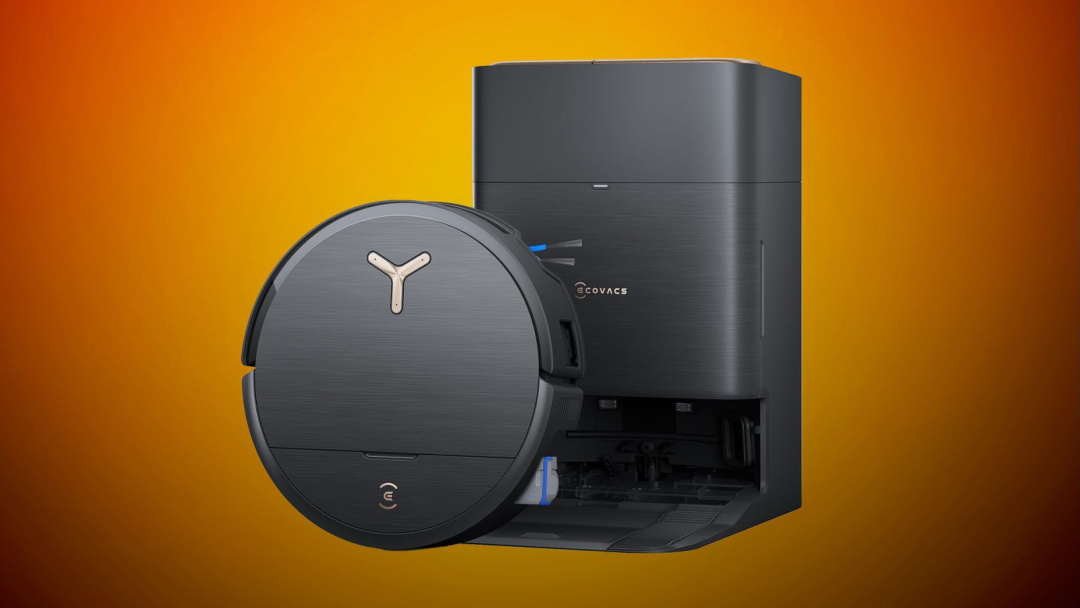
As a result of this ban, future smart vacuums that are compatible with Matter and HomeKit, produced by brands such as Roborock and Ecovacs, may no longer be available in the U.S. market. This situation leaves American consumers with limited choices unless these manufacturers agree to relocate their production to the United States. In addition to robot vacuums, the FCC's ban extends to new humanoid and quadruped robots, as well as foreign-made power inverters, reflecting a broader strategy to mitigate perceived security risks associated with foreign technology.