Ukraine Strikes Iranian Cargo Ship, Linking Conflicts in Ukraine and Iran
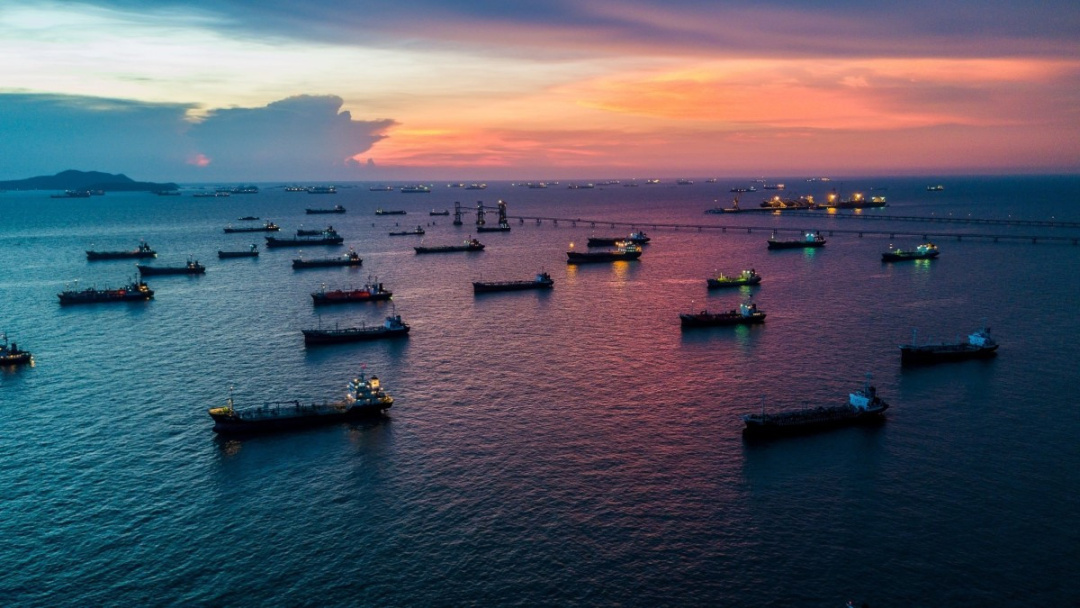
Ukraine's attack on an Iranian cargo ship in the Caspian Sea on July 25 has created a significant link between the conflicts in Ukraine and Iran. The Ukrainian intelligence agency, SBU, reported that drones targeted an oil platform and a Russian missile boat, as well as cargo ships under international sanctions. President Volodymyr Zelensky announced that Ukrainian forces had achieved notable success in long-range strikes, particularly against vessels transporting military supplies from Iran to Russia.
Ukraine's ambassador to Israel, Yevgen Korniychuk, stated that the attacked vessel was not carrying civilian goods but components for drones and missiles intended for Russia. This assertion underscores the military implications of the incident, as both Ukraine and Israel confront what they describe as a shared adversary. In response, Iranian officials expressed outrage, with Foreign Minister Abbas Araqchi condemning the attack as a violation of international law and promising retaliation. Iran's parliament national security committee head, Ebrahim Azizi, warned that Tehran would respond to the attack, emphasizing that such actions would not go unanswered.
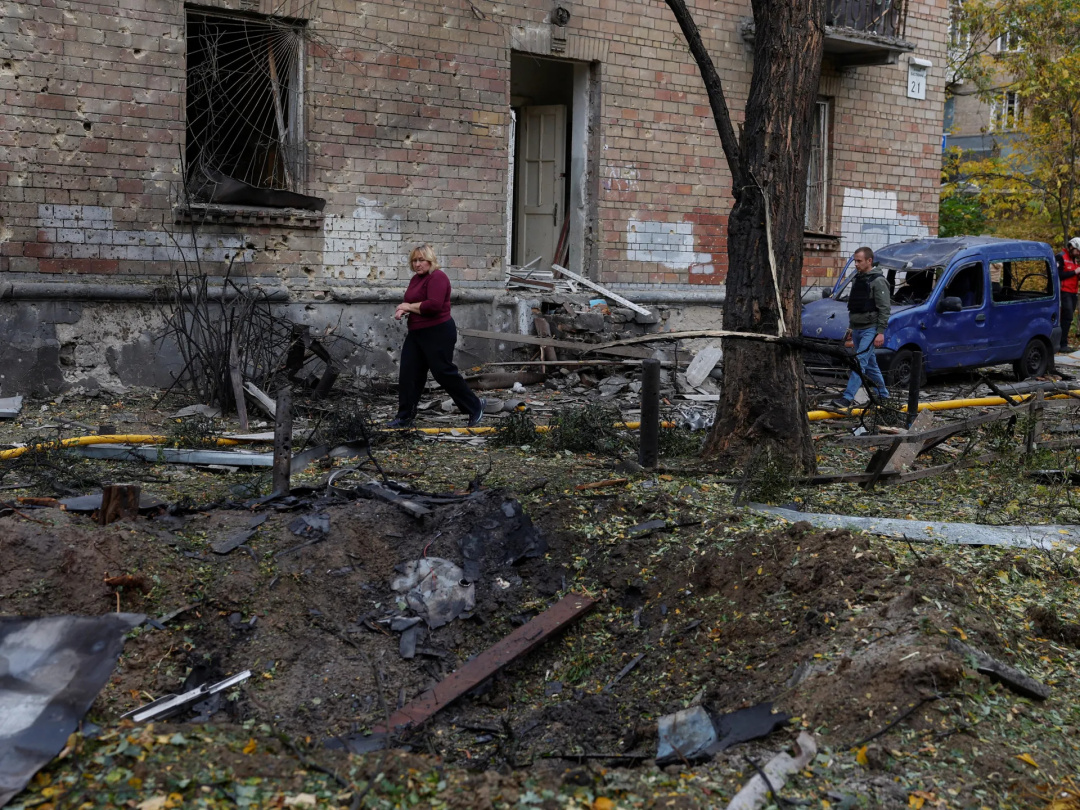
The Kremlin characterized the Ukrainian strike as an attack on Iran itself, reflecting the close military ties between Iran and Russia. Since the onset of the war in Ukraine, Iran has been supplying Russia with drones, which have been used in attacks on Ukrainian cities. Zelensky indicated that Iran is also planning to send ballistic missiles to Russia, further complicating the regional security landscape.
This incident is not isolated; Ukraine has previously targeted vessels in the Caspian Sea, which serves as a crucial supply route between Russia and Iran. Reports indicate that Ukraine has been actively disrupting Russian maritime operations, aiming to choke off revenue sources for the Kremlin. The attack on the Iranian vessel aligns with Ukraine's broader strategy to undermine Russia's military logistics.
Experts suggest that while Iran's anger is evident, its capacity for direct military retaliation against Ukraine is limited. Potential responses could include cyber operations or indirect support for Russian military activities. Ukraine's Foreign Minister Andrii Sybiha dismissed Iran's threats, framing the Iranian regime as complicit in Russian aggression against Ukraine.
Zelensky has expressed caution regarding the potential for escalation, noting that both Iran and North Korea have already provided weapons to Russia without provocation from Ukraine. He emphasized the need for Ukraine to remain vigilant and prepared for any developments, as the geopolitical situation continues to evolve.
Analysts believe that the timing of the attack may be linked to a broader alignment between the U.S. and Ukraine against Iran, coinciding with increased scrutiny of Iranian activities. The strike serves to highlight the interconnectedness of these conflicts and the ongoing challenges faced by Ukraine in its fight against Russian aggression.