Paducah Gaseous Diffusion Plant to Become AI Data Center Hub
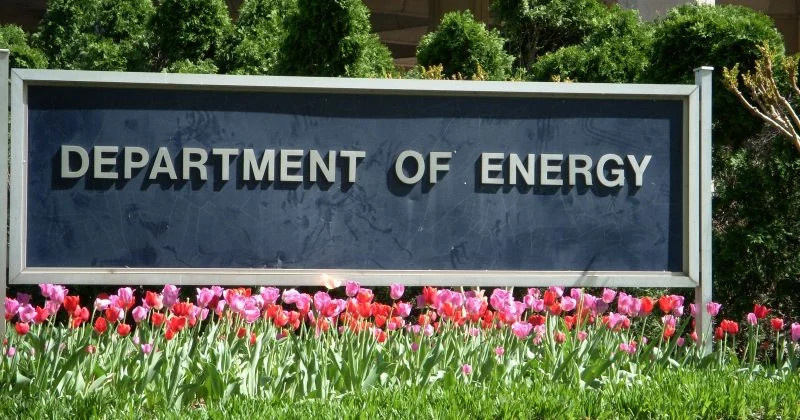
The US Department of Energy (DOE) has announced the Paducah Gaseous Diffusion Plant in Western Kentucky as one of four federal sites designated for the development of AI data centers. This initiative is part of a broader strategy to enhance energy-intensive computing infrastructure across the country. Energy Secretary Chris Wright emphasized the project's potential to create thousands of jobs and attract billions in private investment, particularly in a region that stands to benefit significantly from economic revitalization.
The Paducah facility, which served as a uranium enrichment site from 1952 until its closure in 2013, is one of the longest-running nuclear processing locations in the United States. Following its shutdown, the site has been undergoing environmental remediation, and the DOE now aims to repurpose it for modern technological needs.
On July 24, 2025, the DOE officially announced Paducah's selection alongside three other sites located in Idaho, Tennessee, and South Carolina. These locations were chosen for their existing energy infrastructure, which includes established electrical grid connections, access to natural gas pipelines, and fiber optic networks. This existing infrastructure is crucial, as constructing new facilities from the ground up would be significantly more expensive and time-consuming.
In November 2025, the DOE issued a Request for Offer, inviting private companies to submit proposals for long-term leases to build and operate AI data centers at the Paducah site. Notably, the construction will be financed through private funding rather than taxpayer dollars, with the government providing the land and necessary infrastructure.
The initiative reflects a shift in the federal government's approach to AI infrastructure, with the Trump administration positioning the expansion of computing capacity on federal lands as a matter of national security. This development is particularly relevant for industries such as cryptocurrency mining, which are closely monitoring the energy resources tied to these power grids.