Biden's Ghostwriter Tapes Released Amid Legal Battle Over Classified Docs
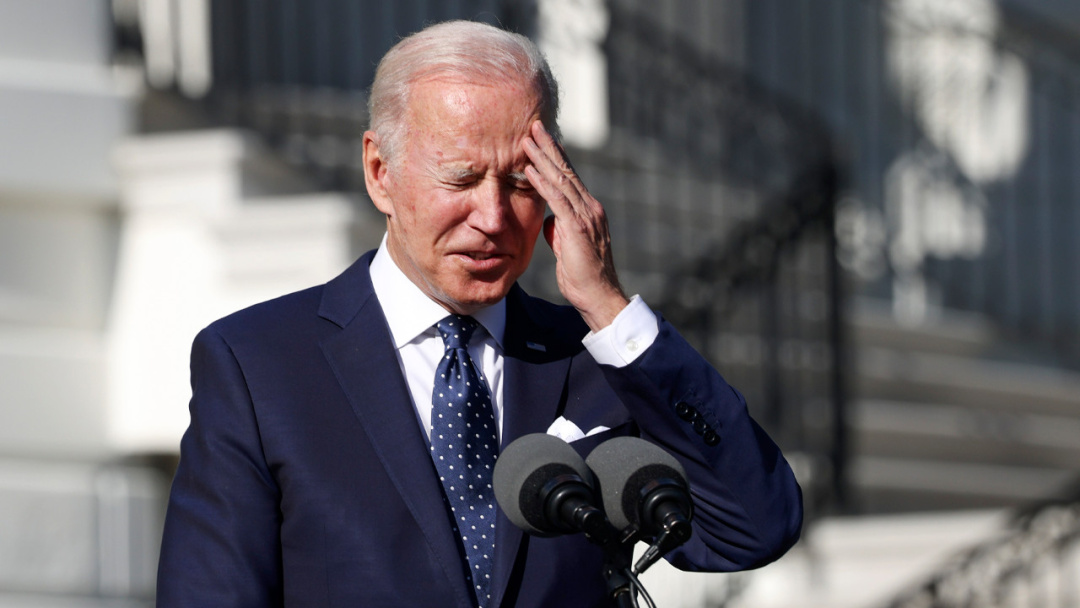
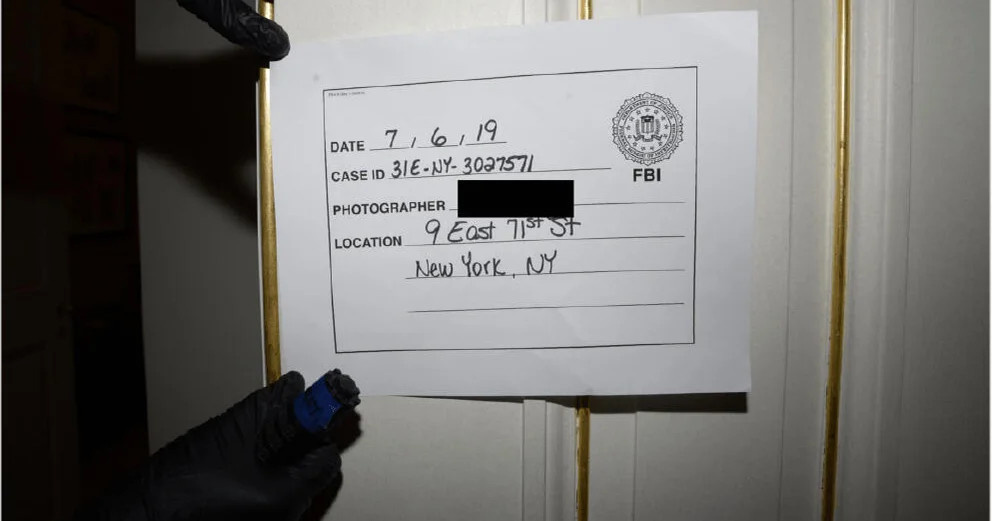
The release of recordings from former President Joe Biden's interviews with his memoir ghostwriter, Mark Zwonitzer, has sparked renewed scrutiny regarding his handling of classified documents. These recordings, obtained during special counsel Robert Hur's investigation, were made public after Biden's legal team dropped their lawsuit aimed at preventing their release. The Oversight Project, which has been pursuing the recordings through Freedom of Information Act requests for over two years, argues that they are crucial for public understanding of the circumstances surrounding Biden's classified documents case.
The tapes, which total approximately two hours and 45 minutes, feature Biden during conversations in 2016 and 2017, where he often pauses and struggles to recall specific events and names. This aligns with Hur's report, which described Biden's memory as "significantly limited" during both the recorded interviews and a subsequent interview with the special counsel's office in 2023. Hur ultimately decided against pursuing criminal charges, citing the difficulty in proving that Biden willfully retained or disclosed classified materials.
In the recordings, Biden expresses caution about discussing potentially classified information, advising Zwonitzer to "be careful" while recounting a 2014 Situation Room meeting. He also exhibits difficulty recalling names and events, such as forgetting the names of economic advisers and struggling to remember details of a memorial service he attended. These instances have led to concerns about Biden's cognitive abilities, particularly in light of ongoing speculation about his mental acuity during his presidency.
Jeff Clark, Vice President of Litigation at the Oversight Project, commented on the implications of the tape's release, suggesting that it necessitates a reevaluation of the decisions made by Hur and Attorney General Merrick Garland regarding Biden's handling of classified information. The recordings have reignited discussions about the former president's cognitive health and the broader ramifications of his actions while in office.