Ukraine Targets Iranian Supply Lines to Russia in Caspian Sea Strikes
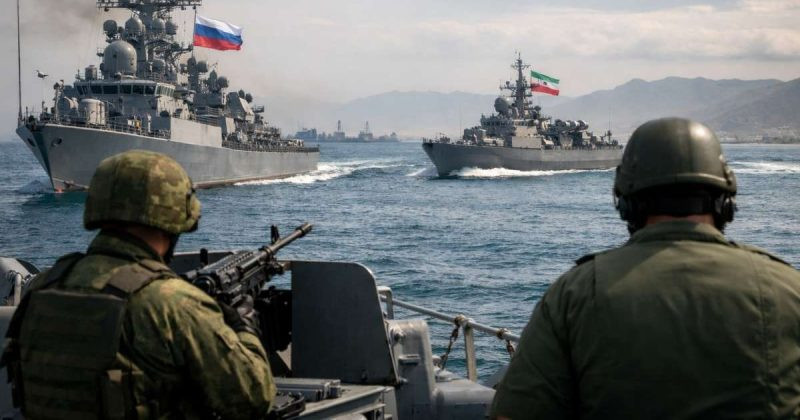
On July 25, Ukrainian drones launched strikes against maritime targets in the Caspian Sea, hitting vessels that Ukraine claims are integral to Iran's military supply pipeline to Russia. President Volodymyr Zelensky described the operation's results as "very strong," while Iran condemned the strikes as a criminal act. The attacks specifically targeted two sanctioned cargo ships, the Port Olya 2 and the Begey, along with a Russian missile boat and an offshore oil platform. Ukraine's Security Service identified these vessels as critical links in the logistics chain transporting Iranian military hardware to Russian forces, resulting in one sailor's death and another injury, according to Iran's Foreign Ministry. The ministry summoned Ukraine's diplomatic representative and issued warnings of potential reprisals.
Both Russian and Iranian entities have increasingly relied on cryptocurrencies to finance drone acquisitions, effectively turning decentralized payment systems into channels for military procurement. The vessels targeted in the strikes are under sanctions from the US, UK, Canada, and Ukraine. In response to these developments, Ukraine has expanded its sanctions against Russian digital asset platforms, aiming to prevent further sanctions evasion.
This recent operation is not an isolated incident; Ukraine previously targeted Caspian infrastructure in April 2026, indicating a sustained campaign against Iranian support for Russia. Iran's Foreign Ministry characterized the attack as an assault on commercial shipping, leaving open the possibility for retaliatory measures. The Caspian Sea, bordered by five nations, has remained largely outside the direct conflict between Russia and Ukraine until now.
Since the onset of the full-scale invasion in 2022, Iran has emerged as a key military ally for Russia, supplying Shahed-type drones and related technologies through maritime routes connecting Northern Iranian ports to Russia's Astrakhan region. Zelensky's comments on the operation were broad, emphasizing that vessels linked to Iran, alongside a Russian warship, are legitimate targets due to their role in facilitating Russian military logistics.
Governments are increasingly recognizing the role of digital assets in facilitating sanctions evasion in conflict zones. Ukraine's expanded sanctions against Russian crypto platforms are part of a wider regulatory effort, involving the US Treasury, the EU, and allied nations, to close loopholes in the digital payment ecosystem. Historically, sanctioned entities have turned to stablecoins like USDT for cross-border transfers when traditional banking channels are unavailable. Tether and Circle have faced pressure to freeze wallets associated with sanctioned parties, and incidents like the recent strikes in the Caspian Sea are likely to intensify this scrutiny.