Chip Stock Decline Impacts Broader Market Performance

The S&P 500 Index experienced a minor decline of 0.08% on Friday, while the Dow Jones Industrial Average rose by 0.39%. In contrast, the Nasdaq 100 Index saw a more significant drop of 1.27%. The downturn was largely attributed to a sharp sell-off in semiconductor stocks, with the iShares Semiconductor ETF plummeting over 4%. This decline raised concerns about the sustainability of demand for artificial intelligence, despite Intel's forecast of a substantial increase in Q3 sales driven by data center demand.
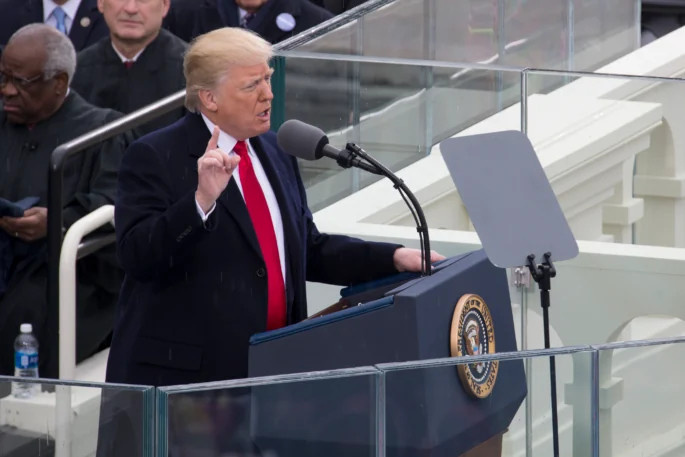
Adding to the market's bearish sentiment were President Trump's newly announced tariffs on 60 nations, which range from 10% to 12.5%. These tariffs replace the previous 10% global import tax that expired and are based on claims of forced labor in supply chains. The tariffs exclude essential items such as fuel and food, but they could pave the way for additional tariffs in the future as the Trump administration continues to investigate trade practices under Section 301 of the Trade Act of 1974.
Geopolitical tensions also weighed on the market, particularly concerns regarding potential military actions against Iran. President Trump indicated he is contemplating a significant military response following recent attacks on oil tankers in the Red Sea by Iran-backed Houthis, which have threatened oil shipments in the region.
In the oil market, WTI crude prices fell by 3% after a brief surge earlier in the week, driven by fears of disruptions in oil supply due to the Houthi attacks. Despite these threats, oil shipments continued, with some tankers opting to turn off their location transponders to avoid detection.
Economic data released on Friday presented a mixed picture. The S&P July manufacturing PMI dipped slightly to 53.8, while the services PMI rose to 53.6, indicating some resilience in the services sector. Additionally, new home sales in June increased by 1.6% month-over-month, surpassing expectations, although building permits fell by 2.6%.
The outlook for Q2 earnings remains optimistic, with forecasts suggesting a potential increase of 23%, driven largely by AI-related spending. So far, 89% of S&P 500 companies reporting Q2 earnings have exceeded estimates, contributing to a generally positive sentiment despite the recent market volatility.
Overseas markets closed mixed, with the Euro Stoxx 50 up by 1.14%, while China's Shanghai Composite and Japan's Nikkei-225 fell by 1.61% and 2.73%, respectively. In the bond market, the yield on 10-year T-notes fell slightly, reflecting concerns about inflation and economic growth amid rising oil prices and new tariffs.
The chip sector faced significant losses, with major companies like Intel, Arm Holdings, and Micron Technology all experiencing declines despite Intel's strong revenue forecast. Conversely, software stocks rebounded, with companies like Atlassian and ServiceNow posting gains. Overall, the market remains cautious as it navigates through geopolitical tensions, economic data, and corporate earnings reports.