Expert Warns Turkey's Ties to China Pose F-35 Security Risks
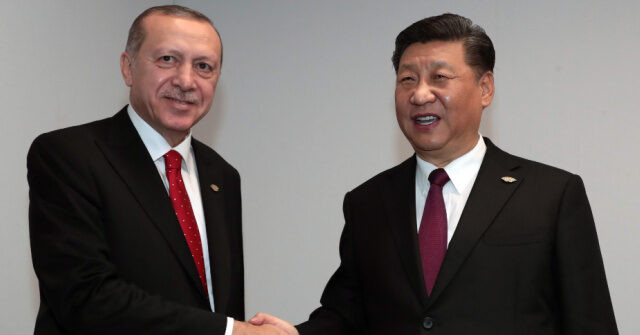
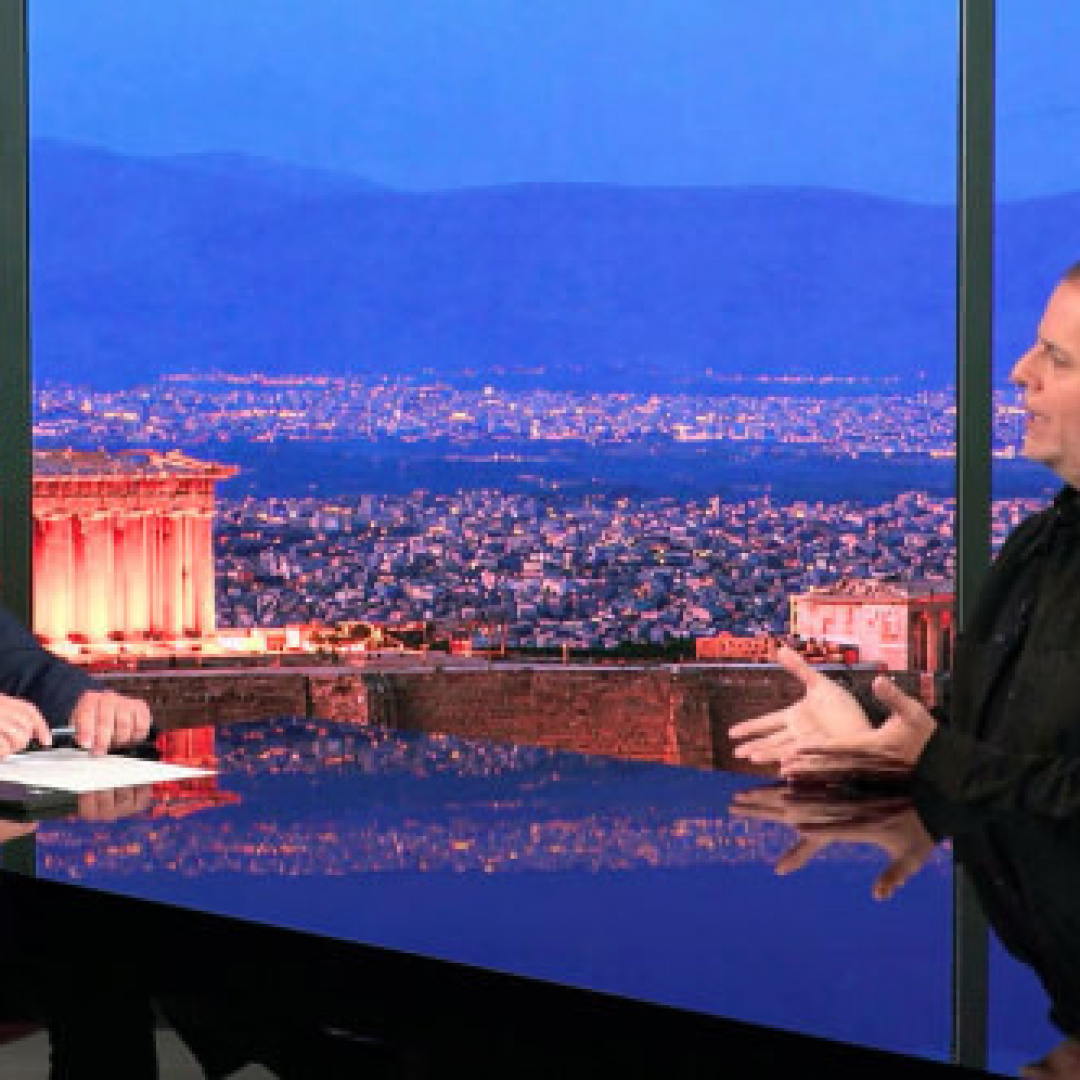
Endy Zemenides, Executive Director of the Hellenic American Leadership Council, has raised alarms about Turkey's potential return to the F-35 fighter program, citing national security risks associated with its ties to Chinese telecommunications firms. In an interview on Breitbart News Saturday, Zemenides pointed out that Turkey's integration of Chinese technology into its telecommunications infrastructure poses a significant threat, as Chinese law could compel companies to share data with the Chinese government. He noted that Turkey would be the only F-35 nation with such close ties to China, which raises serious concerns about the security of the advanced fighter jets.
Zemenides referenced a recent State Department letter indicating that Turkey has not met the necessary conditions for participation in the F-35 program, particularly regarding the ongoing issues surrounding the Russian S-400 missile system. He argued that Turkey's situation has worsened since its removal from the program during President Trump's administration, stating, "We want Turkey to solve the S-400 issue, but that’s a floor, not a ceiling. Turkey has to earn the privilege of getting American weapons."
He expressed skepticism about Turkey's proposed solutions to the S-400 problem, suggesting that they would not adequately address the underlying security concerns. Zemenides criticized the notion that Turkey could keep components of the Russian system while claiming to deactivate it, warning that such arrangements could easily be reversed.
The interview follows a State Department communication to Congress, which reiterated that no F-35 transfers would occur until Turkey relinquishes the S-400 system and meets other certification requirements under U.S. law. Zemenides noted that there is bipartisan opposition in Congress to any potential sale, particularly in light of Trump's recent comments suggesting that a sale would be beneficial. He concluded by highlighting the implications of providing advanced American weaponry to Turkey, which he described as the de facto leader of the Muslim Brotherhood in the Middle East, emphasizing the need for careful consideration of U.S. national security interests.