US Plans Special Operations to Seize Iranian Uranium Amid Crypto Freezes
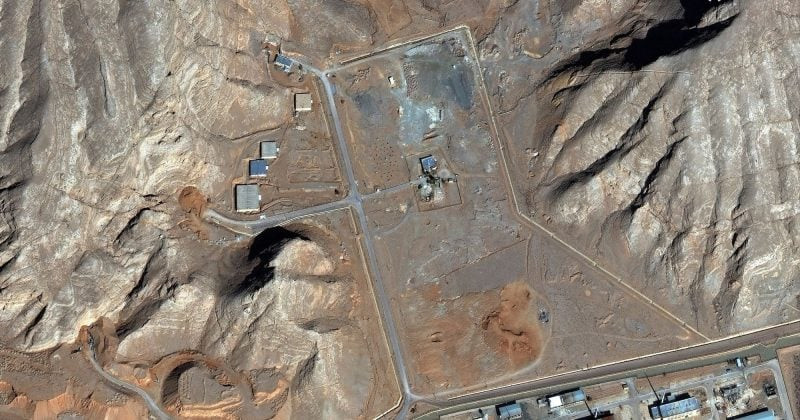
The United States is reportedly planning a significant military operation aimed at seizing enriched uranium from Iranian nuclear facilities. This operation coincides with a financial strategy in which the US Treasury has frozen between $344 million and $500 million in Iranian-linked cryptocurrency assets. Discussions between US and Israeli officials are focused on securing around 450 kg of highly enriched uranium, which is concentrated to 60% purity and could potentially be converted into weapons-grade material sufficient for approximately eleven nuclear bombs within weeks.
The operation is expected to involve elite military units, such as Delta Force, in collaboration with nuclear experts who would be tasked with either extracting or safely diluting the highly enriched uranium. Previous US-Israeli strikes in June 2025 reportedly buried significant quantities of uranium under rubble, complicating recovery efforts and increasing the urgency of addressing the remaining accessible stockpile.
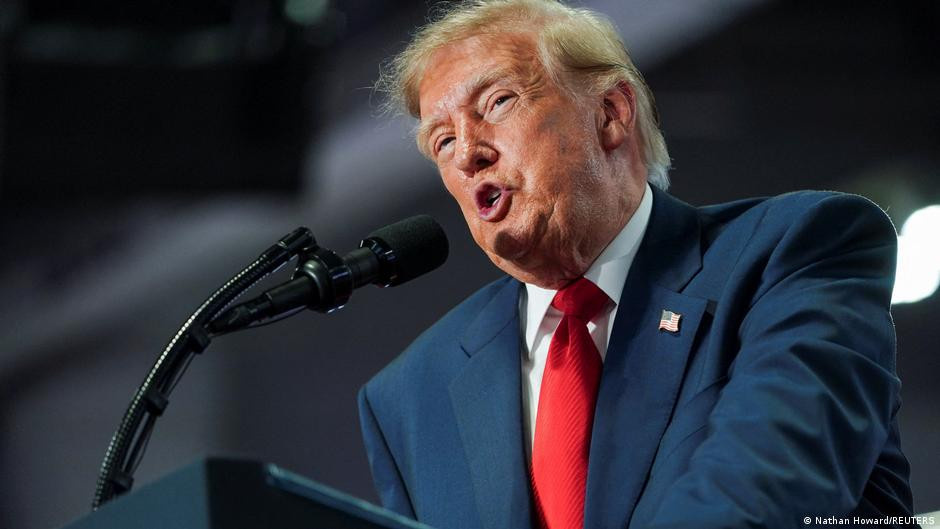
President Trump has acknowledged the potential for a ground presence in Iran, suggesting that such a move would be justified. This military contingency appears to be linked to the need to first degrade Iranian military capabilities to create a viable opportunity for extraction teams.
In April 2026, the US Treasury initiated 'Operation Economic Fury,' which has resulted in the seizure or freezing of an estimated $344 million to $500 million in Iranian-linked cryptocurrency assets. Iran has long been suspected of utilizing cryptocurrency networks to bypass traditional banking sanctions, and the Treasury's actions indicate a systematic effort to sever this financial lifeline.
As of mid-2026, ongoing negotiations have reportedly considered conditioning the release of some frozen assets on Iran's commitment to addressing its highly enriched uranium stockpile. Each successful seizure of this magnitude reinforces the notion that governments can access crypto wallets when national security is at stake, challenging the perception of cryptocurrency as a censorship-resistant store of value, particularly for entities that engage with centralized infrastructure.
Iran is not the only nation exploring digital currencies as a means to circumvent sanctions; North Korea, Russia, and various non-state actors have also been linked to crypto-based financing schemes. Observers are advised to monitor actions by the Treasury Department and OFAC designations closely, as the next significant market event may arise not from traditional financial movements but from updates related to sanctions tied to uranium negotiations.