Betty Pack: The WWII Spy Who Used Seduction for Intelligence
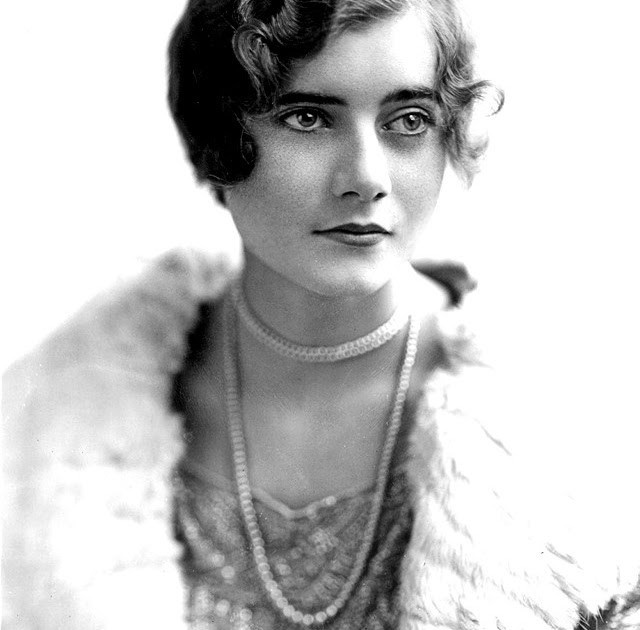
Betty Pack, born Amy Elizabeth Thorpe on November 22, 1910, in Minneapolis, Minnesota, emerged as a significant figure in World War II espionage. Known by her codename 'Cynthia,' she worked for British MI6 and later the U.S. OSS, becoming one of the most effective spies of her time. Her background was privileged; her father was a U.S. Marine Corps officer, and her mother was socially prominent. This upbringing allowed her to navigate elite circles, which would later aid her spy career.
Pack's espionage activities began informally during the Spanish Civil War, where she smuggled individuals to safety. By the late 1930s, she was formally recruited by MI6. Her early work in Warsaw involved seducing Count Michał Łubieński, an aide to Poland’s foreign minister, from whom she gathered crucial intelligence about German military plans and Poland's efforts to break the Enigma codes, contributing to the Allies' success at Bletchley Park.
In Washington, D.C., Pack operated under British Security Coordination, targeting Italian naval attaché Admiral Alberto Lais. Through her charm, she gained access to Italian cipher books, which proved instrumental during the Battle of Cape Matapan in 1941, allowing the British Royal Navy to significantly weaken the Italian fleet.
One of her most daring operations involved Charles Emmanuel Brousse, a Vichy French press attaché. Together, they devised a plan to steal naval codebooks from the Vichy French embassy. By distracting the night watchman with staged romantic encounters, Pack managed to facilitate the theft, which was crucial for Operation Torch, the Allied invasion of North Africa in November 1942. This intelligence allowed the Allies to anticipate Vichy French naval movements, leading to minimal resistance during the operation.
Pack's work earned her praise from notable figures, including William Stephenson, who referred to her as 'the greatest unsung heroine of the war.' After the war, she divorced her first husband, Arthur Pack, and married Brousse. She spent her later years in France, where she passed away from cancer on December 1, 1963, at the age of 53. Her story remained classified for many years, but she has since been the subject of biographies and inspired various artistic works.
Pack's legacy highlights the often-overlooked contributions of women in wartime intelligence, showcasing a blend of glamour, intellect, and daring. She once stated, 'Ashamed? Not in the least... Wars are not won by respectable methods,' reflecting her commitment to her role in espionage and the impact of her work on the war effort.