Palantir Successfully Protests DIA's Military Intelligence System Bid
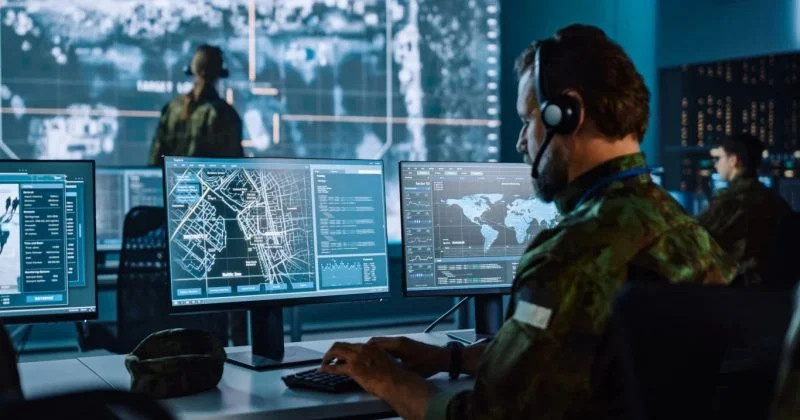
Palantir Technologies has achieved a significant victory by successfully protesting the Defense Intelligence Agency's (DIA) plan to create a custom military intelligence system, known as ASTRA. The DIA has since withdrawn its solicitation entirely, responding to Palantir's argument that the government should utilize existing commercial software solutions rather than developing new tools from the ground up.
Palantir's initial protest was filed on May 18, 2026, under GAO docket B-424519.1, focusing on federal acquisition regulations that prioritize commercially available products over custom-built alternatives. Following the initial protest, the DIA attempted to implement corrective actions, but Palantir remained unsatisfied and filed a follow-on protest on July 20, 2026, which ultimately led to the DIA's decision to withdraw the ASTRA solicitation by late July.
This incident is not Palantir's first engagement in procurement protests. The company has a history of contesting government contracting decisions it views as inconsistent with federal acquisition regulations. CEO Alex Karp has been outspoken about the procurement system, criticizing it for favoring traditional defense contractors and their cost-plus business models over innovative software providers.
Palantir's defense portfolio includes the Maven Smart System, which received program of record status in early 2026, and previous modernization efforts for Army battlefield intelligence systems, such as the Distributed Common Ground System (DCGS). Following the announcement of the DIA's withdrawal, Palantir shares experienced a slight increase of about 1% in pre-market trading on July 24, 2026.
Market observers are advised to monitor developments closely. When government agencies withdraw solicitations after protests, they typically must re-solicit with revised terms, indicating that a new contract opportunity related to ASTRA could arise in the coming months. Palantir's decision to pursue a second protest underscores its commitment to ensuring that procurement practices align with its interests and the broader market for commercial software solutions.