U.S. Lawmakers Raise Concerns Over China's Use of U.N. Peacekeepers
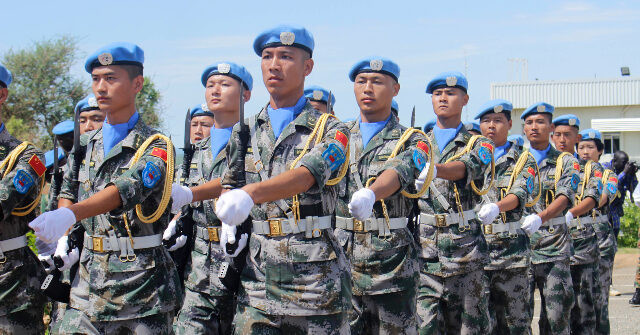
At a recent hearing of the House Foreign Affairs Committee, U.S. lawmakers voiced serious concerns regarding China's involvement in United Nations peacekeeping missions, suggesting that these deployments may serve as a cover for espionage activities. Representative Sheri Biggs (R-SC) noted that the Chinese peacekeeping department is concentrated in strategically sensitive areas, particularly along Belt and Road corridors, near ports, and in regions rich in mineral resources. She emphasized the longstanding worries that these missions could be used to further military and intelligence objectives in areas of U.S. strategic interest.
Representative Scott Perry (R-PA) added that countries participating in the Belt and Road Initiative (BRI) tend to shift their voting patterns in the U.N. General Assembly to align more closely with China after receiving financial assistance, suggesting a form of political influence bought through loans. The BRI, which has faced criticism for potentially ensnaring developing nations in debt traps, is seen as a means for China to extend its reach and control over national assets in these countries.
U.S. Ambassador to the United Nations Mike Waltz, a former congressman and National Security Adviser, remarked that while China's contributions to peacekeeping can be beneficial, they also allow the Chinese Communist Party to gather intelligence on the ground. He indicated that the sensitive nature of the intelligence surrounding these operations necessitated closed-door briefings for further details.
Critics, including Indian media outlet Firstpost, have argued that the concerns raised by U.S. lawmakers are exaggerated, claiming that China is merely capitalizing on a vacuum left by reduced U.S. engagement in global affairs under the Trump administration. They contend that the previous U.S. administration's focus on an 'America First' policy has inadvertently allowed China to deepen its influence in regions and multilateral institutions.
However, the origins of the BRI date back to 2013, during the Obama administration, which raises questions about the validity of claims that current U.S. spending cuts are solely responsible for China's growing influence. Historical context shows that China has gained significant leverage over international organizations like the U.N. and the World Health Organization even during periods of high American foreign aid.
Concerns regarding espionage within U.N. peacekeeping missions are not new. Canadian columnist Rachel Marsden previously expressed skepticism about China's $1 billion pledge to the U.N. in 2015, which included a commitment of 8,000 troops for peacekeeping. This investment, she argued, was less about altruism and more about gaining insights into military practices from other nations involved in U.N. deployments. With over 112,000 personnel currently engaged in peacekeeping operations worldwide, these missions provide valuable access to political and economic information under the guise of humanitarian efforts, which could be difficult to obtain otherwise.
Marsden pointed out that the People’s Liberation Army of China may view these missions as opportunities to observe foreign military operations, including those of U.S. forces and their allies. As the debate continues, the implications of China's role in U.N. peacekeeping remain a focal point for U.S. lawmakers and national security experts alike.