Russia's Role in Iran's Targeting of CIA Sites Under Scrutiny
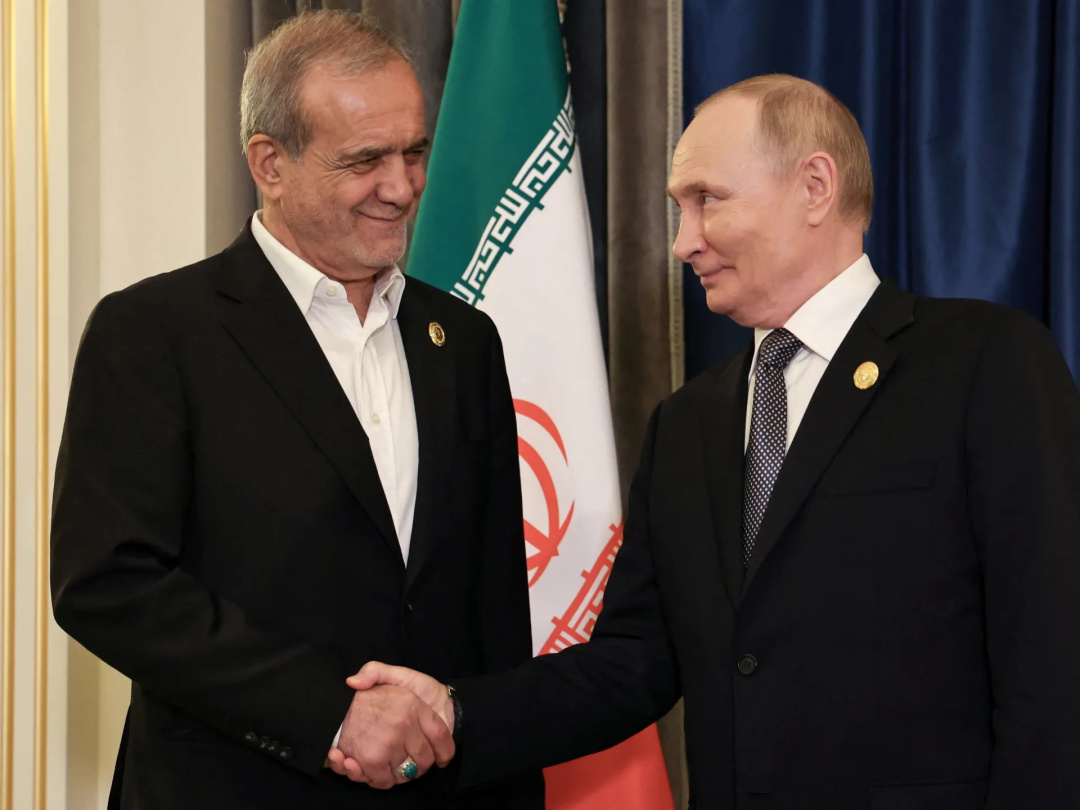
During a recent meeting in Manila, U.S. Secretary of State Marco Rubio and Russian Foreign Secretary Sergey Lavrov discussed various issues, with the war in Ukraine at the forefront. However, the meeting took place against the backdrop of emerging reports suggesting that Russia may be more involved in Iran's military actions against U.S. interests than previously acknowledged. Initial reports of Iran targeting U.S. Central Intelligence Agency (CIA) sites surfaced shortly after the onset of hostilities between the U.S. and Iran. Notably, a CIA station within the U.S. embassy in Riyadh was reportedly targeted, and subsequent intelligence indicated that Russia had been aiding Iran in locating U.S. personnel and aircraft in the Gulf region.
Recent drone attacks by Iran on CIA facilities, particularly the embassy in Saudi Arabia, have prompted U.S. intelligence to investigate potential Russian involvement. Analysts suggest that the precision and effectiveness of these strikes indicate possible support from Moscow. Nicole Grajewski, an assistant professor at Sciences Po university in Paris, noted that the advanced nature of these attacks is consistent with Russian assistance, as Iran lacks the sophisticated space-based capabilities that Russia possesses. While Iran has its own intelligence networks, the collaboration with Russia appears to enhance its operational effectiveness.
The military relationship between Russia and Iran has deepened significantly, particularly since the Russian invasion of Ukraine in February 2022. Tehran has provided Moscow with critical military support, including drones and missiles, which has further solidified their partnership. In 2022, the two nations signed a 20-year Comprehensive Strategic Partnership Treaty aimed at bolstering defense cooperation. Despite this, Russian officials have downplayed the notion of a formal military alliance with Iran.
Reports have also surfaced regarding Russia's assistance in improving the accuracy of Iranian drones, specifically the Shahed-136, by supplying navigation systems. However, Russia has denied claims regarding its involvement in enhancing Iranian military technology, labeling such reports as misinformation. Grajewski emphasized that the ongoing conflict between the U.S. and Iran serves to benefit Russia by diverting attention from the Ukraine war and potentially undermining U.S. global influence.
As tensions escalate, the U.S. and Iran have engaged in a series of retaliatory strikes, with U.S. attacks continuing for over a week and resulting in casualties. Iran has responded with attacks on multiple Gulf nations and Jordan, highlighting the intensifying conflict in the region. Grajewski concluded that while Russian involvement may provide Iran with an advantage, the country's existing military capabilities are the primary factor influencing the conflict's dynamics.