Ireland's Subsea Cable Security Faces Growing Threats, Report Warns
Ireland is confronting a "radically deteriorating security environment" marked by rising cyberattacks and espionage threats, particularly concerning its subsea cable infrastructure. This alarming assessment comes from a report by the Institute of International and European Affairs (IIEA), which underscores the critical role of both the private sector and government in safeguarding telecommunications. Sponsored by Vodafone Ireland, the report draws on insights from government officials, academics, and industry representatives, highlighting a shared recognition of the serious threats facing the nation.
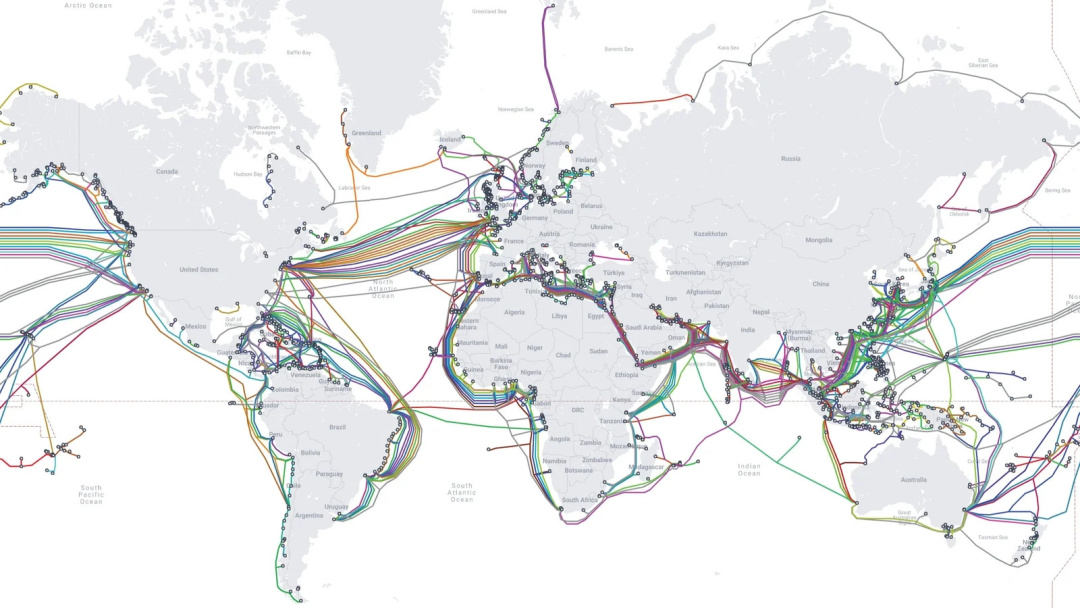
Cian Fitzgerald, the report's author and senior researcher at IIEA, noted that a staggering 75% of all transatlantic cables transit through or near Irish waters, making Ireland responsible for approximately 30% of all data in Europe. The report specifically points to heightened risks from state actors, particularly Russia, which has been linked to increased hybrid attacks. Fitzgerald referenced troubling incidents of cable damage, including suspicious cuts between Finland and Estonia, raising concerns about the activities of the Yantar vessel near Ireland.
The IIEA advocates for a new strategy that emphasizes long-term policy and collaboration between the government and the telecommunications industry. Currently, subsea cables are predominantly owned by private companies, with Vodafone owning or co-owning several cables connecting Ireland to Wales, England, and North America. With 14 cables landing in Ireland, many are nearing the end of their expected lifespan, prompting calls for enhanced protective measures.
The report argues that safeguarding this vital infrastructure should not rest solely on private firms and suggests that government support is essential. Among the proposals is the introduction of a tax credit for telecommunications companies. All three major telecom operators in Ireland—Vodafone, Three, and eir—reported increased revenues last year, indicating a robust sector that could benefit from additional government backing.
Further recommendations include improving intelligence sharing between the government and private sector, leveraging the unique insights of telecom operators alongside the government’s access to sensitive information through EU networks. Conducting regular joint crisis exercises and simulations is also deemed crucial for enhancing preparedness against cyberattacks, sabotage, and extreme weather events, ultimately strengthening Ireland's overall security posture.