Iran Drone Attacks on CIA Facilities Raise Questions of Russian Involvement
Iranian drone attacks on CIA facilities in the Gulf have prompted U.S. intelligence analysts to explore whether Russia provided assistance, including targeting information or advanced drone technology. Sources familiar with U.S. intelligence indicated that while no definitive conclusions have been made regarding Russian involvement, the effectiveness and precision of the strikes, along with Russia's ongoing technical support for Iran, raise significant concerns.
Reports confirm that at least two CIA sites were struck in March, including a facility within the U.S. embassy in Riyadh and another in eastern Iraq. Some sources suggested that additional CIA locations may have also been targeted, although specific details remain undisclosed. An internal memo from a Western intelligence agency indicated that Russia likely played a role in targeting these CIA facilities, highlighting the potential for Moscow to disrupt U.S. operations further.
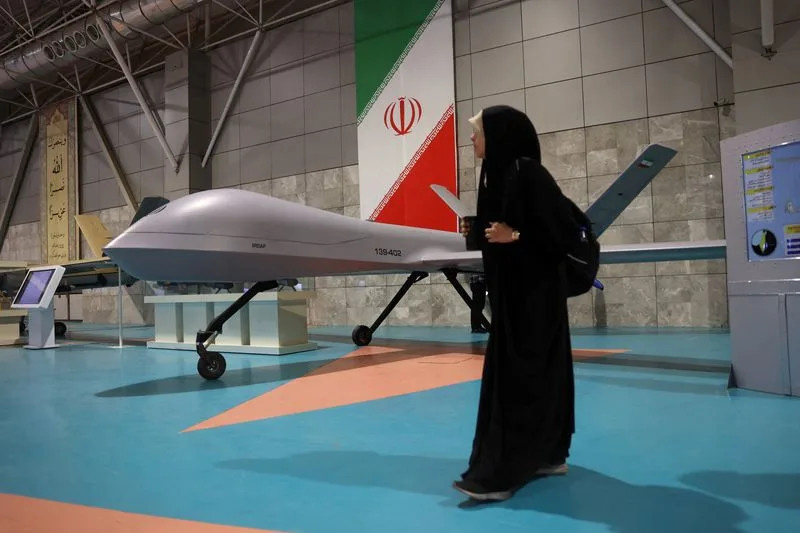
Two Western officials briefed on intelligence reports noted that the attacks involved enhanced versions of Iran's Shahed drones, reportedly modified with Russian technology. One drone penetrated the embassy's exterior, while another detonated inside, fortunately without causing casualties. The longstanding partnership between Russia and Iran raises questions about the extent of Russian support, particularly in targeting sensitive U.S. sites.
Concerns about Russian assistance intensified following recent strikes on a U.S. air base in Jordan, where Iranian ballistic missiles targeted army barracks, resulting in the deaths of two soldiers. The White House referred inquiries to the CIA, which declined to comment. Requests for comments from Iran's mission to the UN, the Russian Defense Ministry, and the Saudi government went unanswered.
Sources indicated that Russia has helped Iran enhance the accuracy of its Shahed drones by supplying a satellite navigation system known as the Kometa-M, which is reportedly more precise and harder to jam than Iran's own systems. This collaboration suggests a deeper level of military cooperation between the two nations, particularly in their shared interest in countering U.S. influence in the region.
While U.S. intelligence analysts are investigating the possibility that Iran relied on Russian targeting data for the embassy attack, some sources caution that the strikes may have been aimed at the embassy in general, with the CIA station being an unintended target. Analysts believe that few nations besides Russia would possess the capability and motivation to weaponize such sensitive intelligence against the U.S.
Daniel Hoffman, a former CIA station chief, noted that it would not be surprising for Moscow to assist Tehran in targeting CIA facilities, given their strategic partnership and mutual goals of diminishing U.S. influence in their respective spheres of interest. The implications of these developments for U.S. national security remain significant, as the intelligence community continues to assess the evolving dynamics in the region.