US Investigates Possible Russian Support in Iranian Drone Attacks on CIA
US intelligence officials are currently investigating the possibility that Russia played a role in recent drone attacks on CIA facilities in the Gulf, specifically by providing targeting information or advanced drone technology to Iran. This inquiry follows reports that at least two CIA sites were struck in March, including the agency's station at the US Embassy in Riyadh, Saudi Arabia, and another location in eastern Iraq. While the investigation is ongoing and no definitive conclusions have been reached, analysts are reviewing the precision of the strikes and the historical technical cooperation between Russia and Iran as potential indicators of Moscow's involvement.
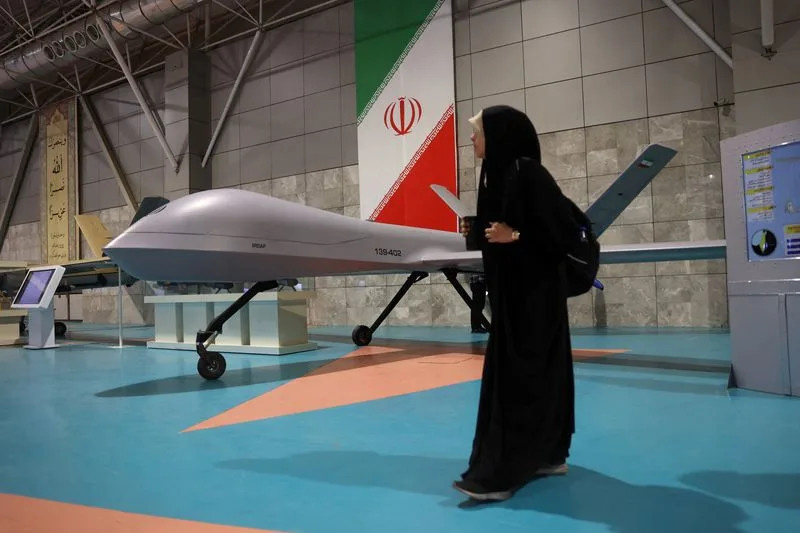
According to sources familiar with the investigation, a Western intelligence assessment has suggested that Russia likely assisted in identifying CIA facilities for attack. Two Western officials briefed on intelligence reports indicated that the strike in Riyadh involved two Russian-enhanced versions of Iran's Shahed drones. One drone reportedly breached a vulnerable section of the embassy's exterior, allowing a second drone to enter through the opening before detonating. Fortunately, no casualties were reported as a result of the attacks.
In addition to the drone strikes, US officials are also examining whether Russian targeting data was utilized in the embassy attack. Some intelligence sources have cautioned that Iran may have intended to strike the embassy directly and inadvertently hit the CIA station instead.
The report highlights Russia's long-standing support for Iran's drone program, suggesting that it may have contributed to enhancing the accuracy of Shahed-136 drones by providing the Kometa-M satellite navigation system. This system is regarded as more precise and resistant to jamming compared to Iran's existing technology.
Requests for comment from the White House were directed to the CIA, which has opted not to comment on the situation. Additionally, Iran's mission to the UN, the Russian Defense Ministry, and the Saudi government did not respond to inquiries regarding the matter. Former CIA station chief Daniel Hoffman noted that cooperation between Moscow and Tehran in targeting CIA facilities aligns with their strategic partnership, as both nations share an interest in diminishing US influence in their respective spheres of influence.