Crocodile Barrier Pilot Project Begins at Ketziot Prison
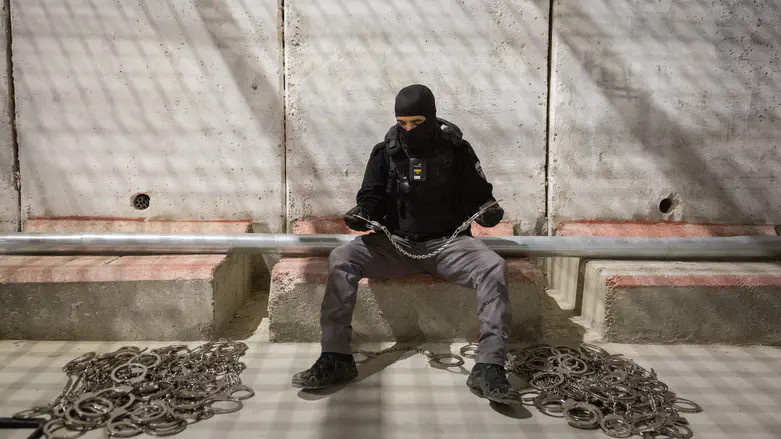
Excavation work began on Wednesday at Ketziot Prison in the Negev, where channels are being constructed for a proposed crocodile barrier. This initiative is part of a pilot project promoted by National Security Minister Itamar Ben Gvir, aimed at enhancing security for a wing that houses prisoners classified as high-risk. The National Security Ministry has confirmed that preparations are in progress, with Ben Gvir's office stating that individuals convicted of serious crimes deserve to be monitored by a formidable presence.
The excavation is taking place within the prison compound, specifically around one of its specialized wings. The channel being created measures approximately 170 meters (560 feet) in length and is designed to be concealed from outside view. While it remains uncertain whether crocodiles will ultimately be introduced, the infrastructure is being established in anticipation of their potential use.
This development follows a recent decision by Environmental Protection Minister Idit Silman to classify the Nile crocodile as a "domesticated wildlife animal." This reclassification, requested by Ben Gvir, permits security agencies, including the Israel Prison Service, to explore a pilot program for housing crocodiles on prison grounds, provided that appropriate welfare standards for the animals are upheld.
The concept of using crocodiles as a security measure was first proposed by Ben Gvir approximately six months ago. The plan involves surrounding the prison with channels populated by crocodiles to deter escape attempts. Since then, the Israel Prison Service has conducted feasibility studies, consulting with experts and visiting zoos to assess the practicality of the initiative. Officials have concluded that implementing such a system could potentially lower security costs while serving as an additional deterrent against escapes.
Previously, the Nile crocodile was classified as a protected wild animal, which restricted its captivity to licensed zoos. The recent legal changes now enable authorized security bodies to advance with the proposed pilot project, marking a significant shift in how wildlife can be utilized within the prison system.