US Intelligence Report Declares Further Strikes on Iran Futile
U.S. intelligence agencies have determined that further military strikes on Iran are unlikely to yield any progress toward U.S. war objectives. This assessment, primarily prepared by the CIA, suggests that the current standoff between Tehran and Washington is unlikely to be resolved through additional military action. Analysts concluded that Iranian officials are not expected to alter their positions regarding sanctions or the strategic Strait of Hormuz as a result of further strikes.
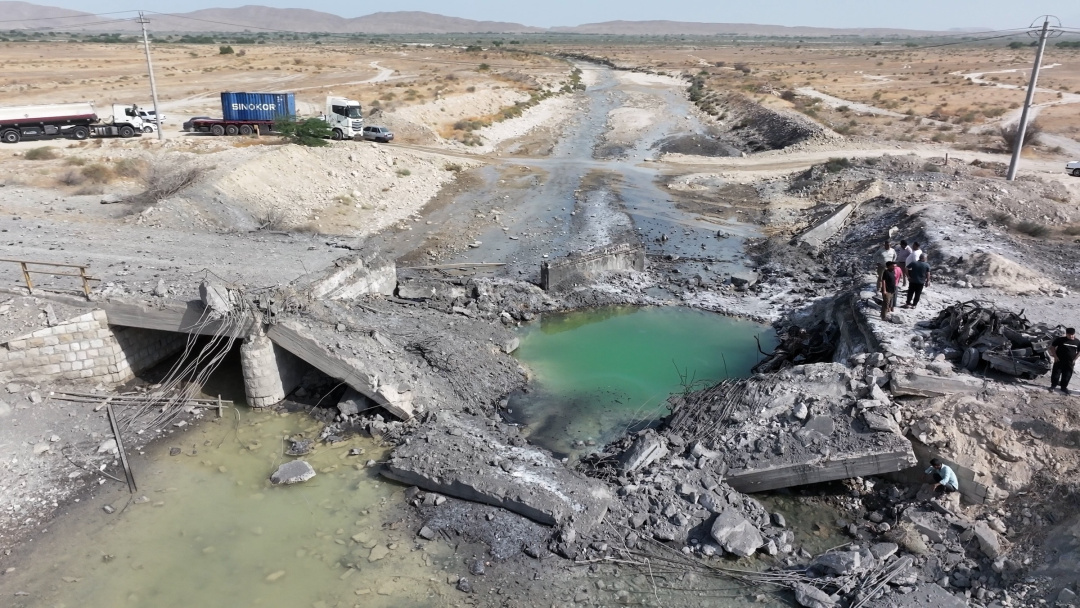
Despite this intelligence report, the U.S. has continued its bombing campaign against Iran, marking ten consecutive days of airstrikes that have resulted in significant casualties, including the deaths of civilians and children. Additionally, three U.S. soldiers were killed by Iranian strikes over the weekend. The U.S. military has targeted numerous sites across Iran, including critical civilian infrastructure such as bridges and power facilities.
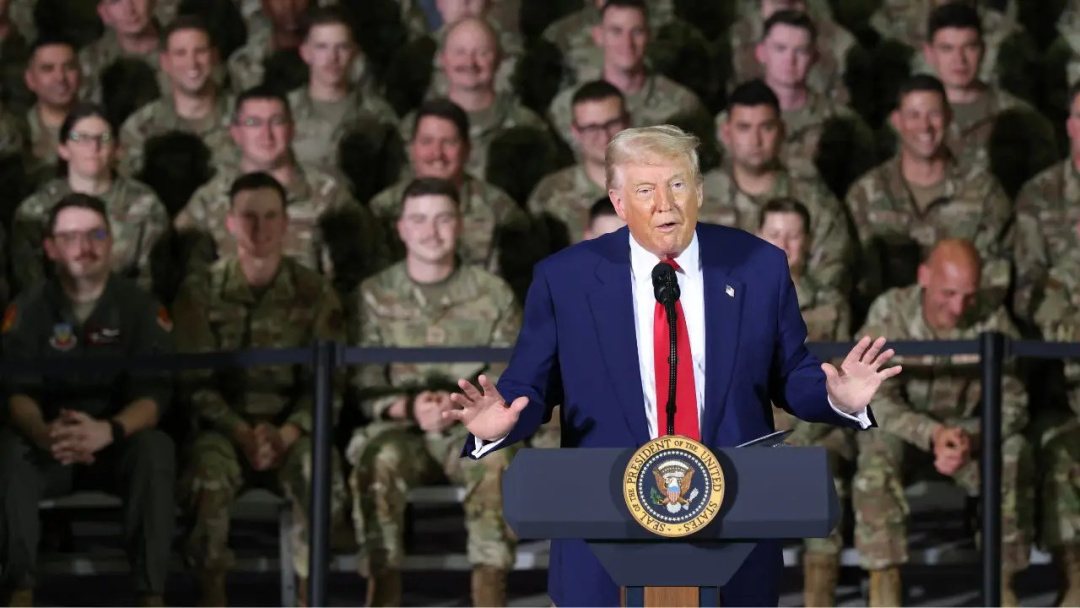
The conflict has escalated, with the Houthis closing the Bab al-Mandeb Strait, a crucial maritime passage. President Donald Trump has threatened further strikes on Iranian facilities, including a nuclear site known as “Pickaxe Mountain.” He stated that the U.S. would intensify its military actions until Iranian officials are willing to engage in meaningful negotiations.
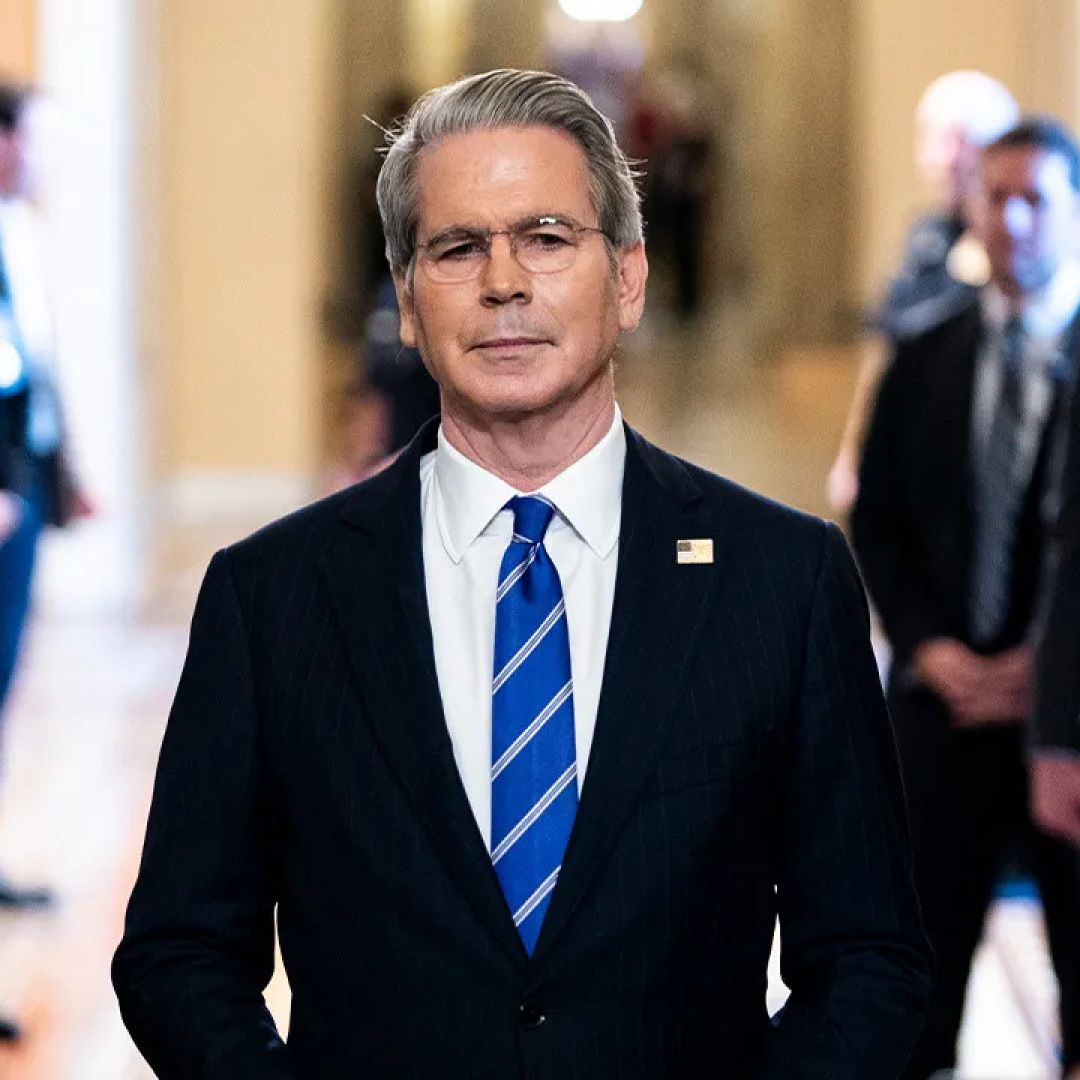
Secretary of State Pete Hegseth is scheduled to testify before Congress to advocate for an additional $87 billion in funding for the ongoing military operations in Iran. The Trump administration has estimated that the conflict has already cost between $80 billion and $100 billion.
Iranian officials, including Foreign Minister Abbas Araghchi, have indicated a desire to negotiate, asserting that they believe they hold the upper hand in discussions. However, Secretary of State Marco Rubio emphasized that negotiations would only be possible if Iran ceases its attacks on shipping in the Strait of Hormuz. He reiterated that the U.S. would respond to Iranian actions, which he characterized as aggressive behavior.
The U.S. position on the control of the Strait of Hormuz remains a significant barrier to ceasefire negotiations, along with discussions surrounding sanctions relief for Iran. Rubio dismissed proposals for sanctions relief, arguing that any financial benefits would be used to support groups like Hezbollah and Hamas rather than the Iranian populace.
The ongoing conflict has also impacted U.S. oil reserves, pushing them to their lowest levels since 1983 and contributing to rising gas prices, which have surpassed $4 per gallon nationwide. As the situation develops, the complexities of U.S.-Iran relations continue to unfold amid military actions and diplomatic overtures.