State Department Alleges Cuba Operates Covert Network in the U.S.
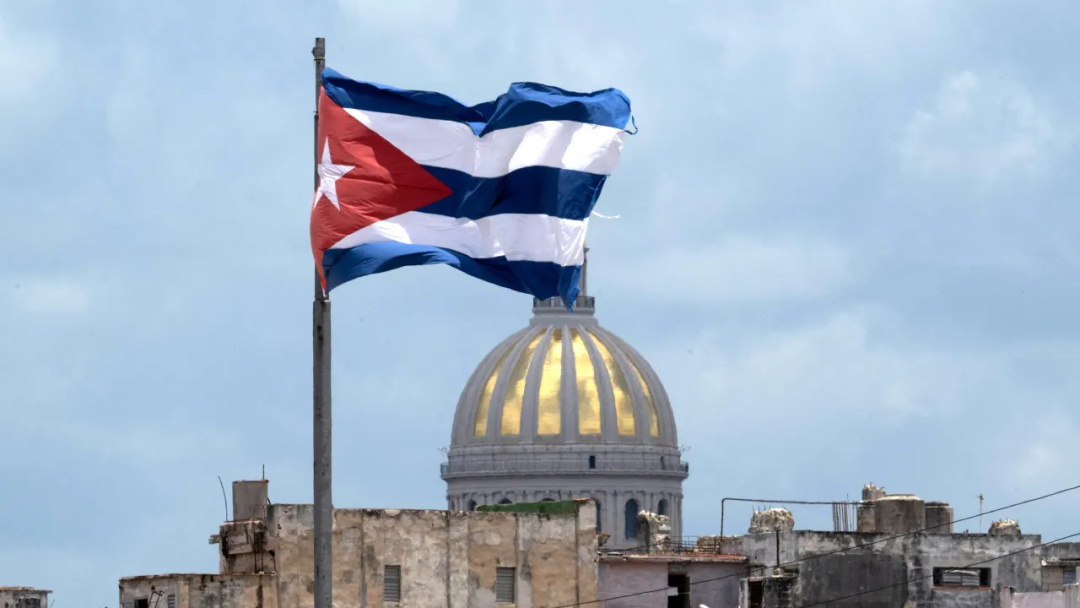
The State Department has issued a report alleging that Cuba has engaged in a long-term espionage campaign aimed at infiltrating U.S. politics and national security. According to spokesperson Tommy Piggott, the Cuban regime has supported far-left extremist groups in the U.S., inciting protests and violent actions. The report characterizes Cuba as the "capital of 21st century communism" and outlines how Cuban agents have allegedly penetrated high levels of the U.S. government, posing a significant threat.
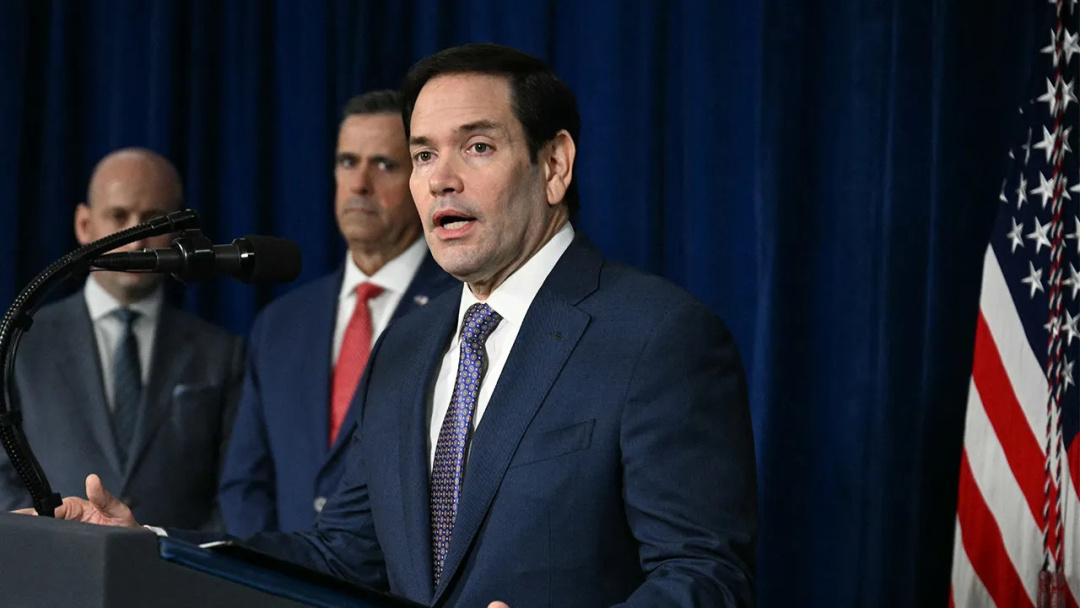
Secretary of State Marco Rubio emphasized that the report aims to unveil Havana's extensive campaign against the United States, stating that for over six decades, the Cuban regime has been a leading sponsor of radical leftism in the country. He asserted that the American public deserves to be informed about the history of Cuban espionage and subversion.
Cuba's foreign minister, Bruno Rodríguez Parrilla, dismissed the report as mere political propaganda, accusing the U.S. of perpetuating a "cruel and criminal economic war" against the island. He criticized Rubio indirectly, suggesting that certain U.S. politicians are fabricating narratives that serve their own interests.
The 100-page report claims that Cuba's efforts extend beyond traditional espionage, alleging that the regime has cultivated American activists, recruited spies, and built relationships with universities and advocacy groups to undermine U.S. interests and promote communist ideology. It asserts that Cuba's influence has shaped generations of left-wing political movements in the U.S.
The report highlights Cuba's connections with various revolutionary and activist groups, including the Weather Underground and the Black Panthers, and suggests that this network has expanded to include contemporary organizations like Antifa and socialist groups. It argues that Cuba's most effective strategy has been through ideological influence rather than military action, establishing a global network of activists and academics to propagate its revolutionary ideals.
Several espionage cases are cited, including those of convicted spies Victor Manuel Rocha and Ana Belén Montes. Former CIA counterintelligence chief James Olson described Cuba's intelligence service as particularly challenging, warning that the extent of their infiltration into the U.S. government is likely only the "tip of the iceberg."
The report also claims that Cuba has viewed American universities as fertile ground for recruitment, identifying politically sympathetic students who could later occupy influential roles in government and the private sector. It points to partnerships between the University of Havana and various U.S. institutions as examples of Cuba's long-term influence efforts.
Additionally, the report revisits Cuba's historical ties to revolutionary movements across Latin America and notes that Havana has provided sanctuary to American fugitives linked to militant groups. Organizations such as the Venceremos Brigade and the Democratic Socialists of America are mentioned as having sustained pro-Cuba activism in the U.S. for decades.
The report concludes that Cuba has transitioned from a Soviet ally to what it describes as the "ideological capital of the modern radical left," increasingly relying on espionage and influence campaigns rather than conventional military power. U.S. officials, including Ambassador to the United Nations Mike Waltz, have reiterated that Cuba poses a national security threat, particularly in light of alleged information-gathering activities by China and Russia around U.S. military bases in Cuba.