Bipartisan Bill Tasks NSA with Developing AI Security Playbook
A bipartisan coalition of U.S. lawmakers is pushing for enhanced security measures for the nation’s artificial intelligence infrastructure through the Advanced AI Security Readiness Act, designated as H.R. 3919. This legislation mandates the National Security Agency's (NSA) Artificial Intelligence Security Center to develop a comprehensive AI Security Playbook aimed at identifying vulnerabilities within AI data centers and addressing foreign technology theft.
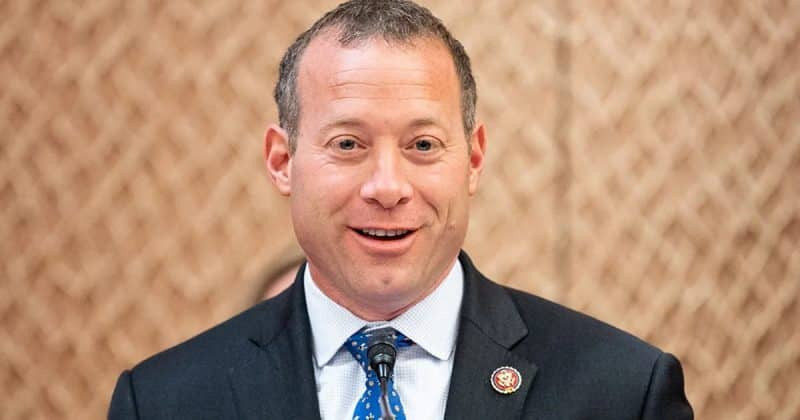
Introduced on June 11, 2025, by Representatives Josh Gottheimer (D-NJ), John Moolenaar (R-MI), Darin LaHood (R-IL), and Raja Krishnamoorthi (D-IL), the bill outlines a clear directive for the NSA. It requires the agency to produce an initial report within 90 days of the bill's enactment, followed by a final report within 270 days. Notably, the legislation stipulates that both classified and unclassified versions of the playbook be made available, with the unclassified version tailored for industry experts.
The bill emphasizes the importance of collaboration with private-sector AI developers, ensuring that those who are actively engaged in building and operating AI systems contribute to the playbook's creation. This collaborative approach is seen as essential for addressing the complexities of AI security.
The sponsors of the bill represent a diverse group of congressional members focused on national security, with Moolenaar chairing the House Select Committee on the Chinese Communist Party. Both LaHood and Krishnamoorthi have expressed concerns regarding technological competition with China, underscoring the urgency of the bill's objectives.
In the Senate, a companion bill was introduced on November 19, 2025, by Senators Todd Young (R-IN) and Mark Kelly (D-AZ), reflecting the bipartisan nature of this initiative.
Importantly, the Advanced AI Security Readiness Act does not grant new enforcement powers or regulatory authority. Instead, it focuses on providing guidance and best practices without imposing compliance requirements or penalties. For cloud service providers and AI developers, the bill signals a forthcoming collaboration with the NSA, particularly for major players like Amazon Web Services, Microsoft Azure, and Google Cloud, which are integral to hosting significant AI workloads.
As of mid-2025, the bill remains in the introduced stage, with no committee action reported yet, leaving its future uncertain.