US Military Options and Iranian Escalation Heighten Regional Tensions
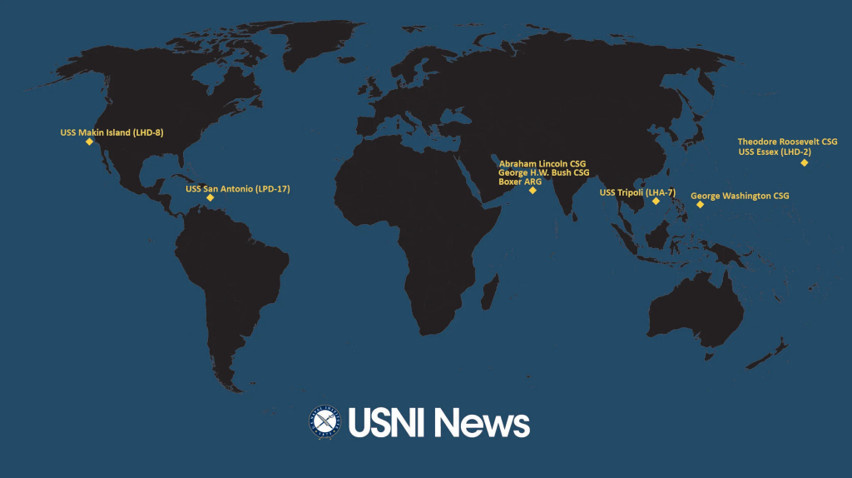
Tensions in the Middle East are escalating as the United States considers military options following a National Security Council meeting on July 16. The U.S. has deployed additional fighter jets to the region, signaling a potential increase in military operations. Speculation surrounds possible U.S. actions against Iran's secretive nuclear facility at Pickaxe Mountain or an attempt to seize Kharg Island, a key site for Iranian oil exports. However, such operations carry substantial risks.
In response, Iran may escalate its own military actions. Reports indicate that Tehran has instructed the Houthis, its allied force in Yemen, to prepare for the closure of the Bab al-Mandab strait, another vital maritime chokepoint. Iran could also increase attacks on Gulf energy infrastructure, targeting facilities like the Red Sea port of Yanbu, which has become crucial for Saudi Arabia amid the ongoing closure of the Strait of Hormuz. Israel is also on high alert for potential Iranian strikes, which could draw it further into the conflict.
Should Iran intensify its attacks on critical Gulf infrastructure, the situation could lead to open military confrontations between Gulf nations and Iran. While these countries have previously sought to avoid direct conflict and pursue de-escalation, their strategies may change if they perceive an imminent threat from Iranian aggression.
Analysts suggest that the current U.S. strategy may not align with rational decision-making, as evidenced by the recent Memorandum of Understanding and Iran's ability to generate revenue through oil exports. A more calculated approach might have avoided the current tensions. In the short term, the U.S. appears to be leaning towards intensifying air operations and possibly reintroducing a blockade, while a ground invasion seems unlikely given the current naval deployments in the region.
Market predictions reflect the uncertainty surrounding the situation, with Kalshi odds indicating only an 8% chance of reopening the Strait of Hormuz by September 1, while Polymarket suggests a 17% likelihood of the Red Sea being closed by August 31, despite claims from the Houthis regarding the Bab al-Mandab strait.