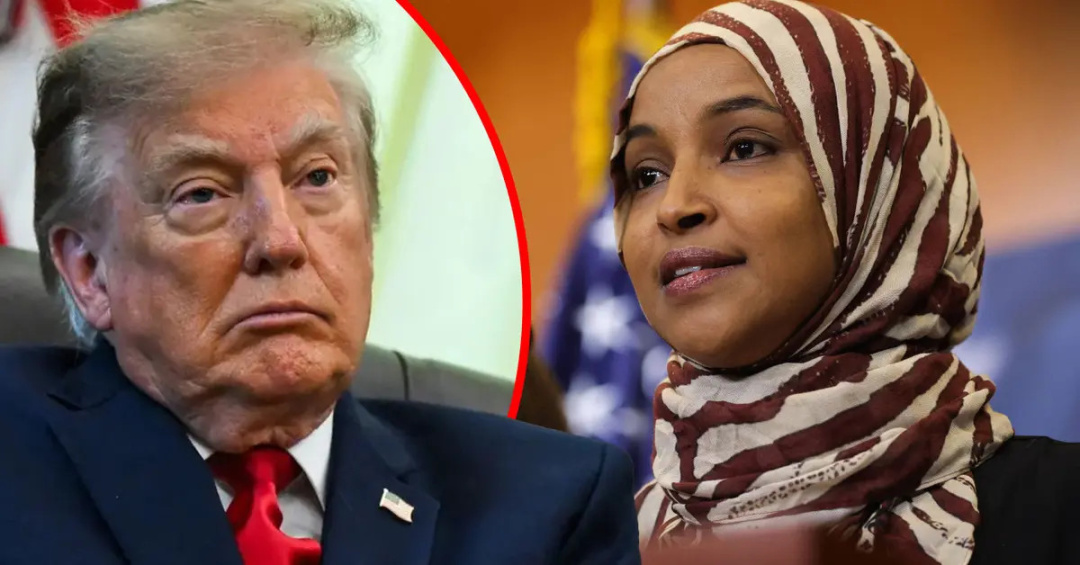
China Denies Trump's Claims of Election Interference as Fabricated
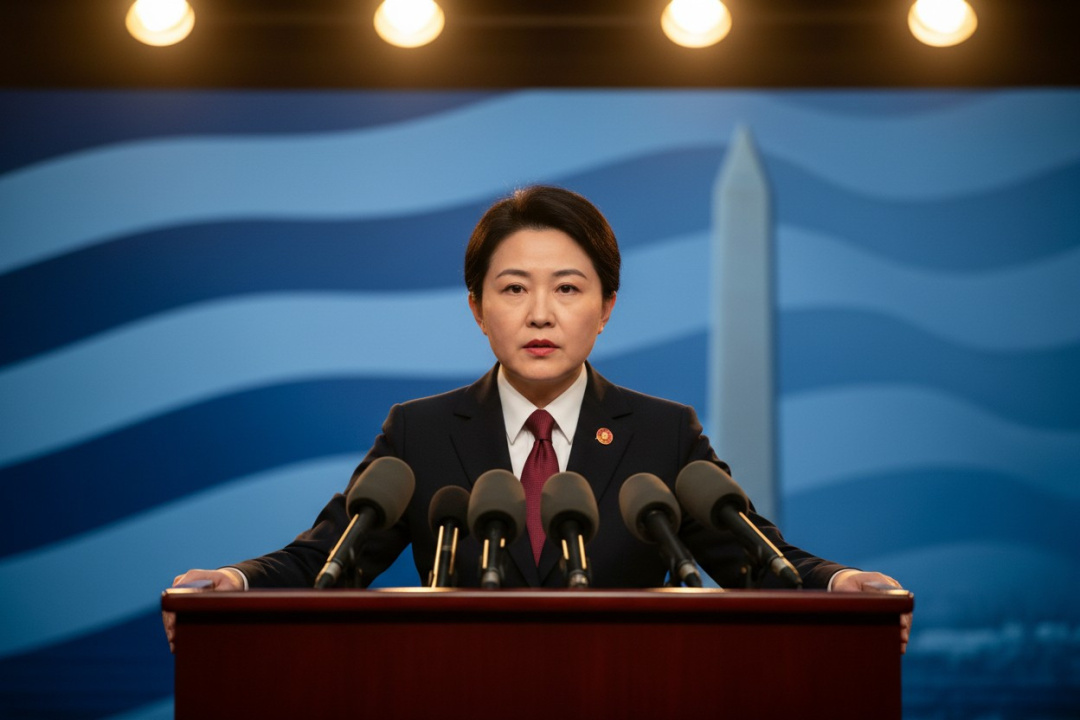
In a recent daily briefing, Chinese spokesperson Mao Ning firmly denied allegations made by former President Donald Trump regarding Chinese interference in U.S. elections. Trump accused Chinese intelligence services of illicitly obtaining data to manipulate electoral outcomes, asserting that China aimed to undermine his 2020 campaign and support his opponent, Joe Biden. Mao described these accusations as groundless and fabricated, emphasizing China's longstanding principle of non-interference in the internal affairs of other nations.
This exchange comes at a time of heightened mutual suspicion between the U.S. and China, particularly as President Xi Jinping is set to visit Washington soon, amidst a delicate trade truce. Trump's claims, which he presented during a prime-time address, included assertions that China stole voter files containing sensitive information. However, he did not provide specific evidence to substantiate these allegations, which mirror earlier claims made by U.S. intelligence agencies that accused Beijing of attempting to influence the 2020 election outcome without offering publicly verifiable proof.
The narrative of foreign interference has been a recurring theme in U.S. political discourse, with both parties leveraging such claims for political gain. In December 2020, then-Director of National Intelligence John Ratcliffe confirmed the existence of foreign interference in the U.S. election, but did not specify which nations were involved. Critics argue that these allegations often serve to distract from systemic issues within the U.S. electoral process itself.
During the briefing, Mao reiterated that China has never interfered in the internal affairs of other countries, urging Washington to stop making baseless accusations that could harm bilateral relations. This statement aligns with China's diplomatic stance, which has been echoed by Kremlin spokesperson Dmitry Peskov, who dismissed similar allegations of Russian election meddling as unsubstantiated.
China's response also highlighted its own red lines in U.S.-China relations, emphasizing respect for sovereignty. Analysts suggest that the timing of Trump's allegations may be more of a negotiating tactic rather than a genuine security concern, particularly as the two nations prepare for high-level talks.
The issue of foreign interference has resurfaced as Trump campaigns for a second term in the 2024 election cycle. His renewed focus on China coincides with ongoing tensions over trade, technology, and geopolitical issues, including the war in Ukraine. However, some analysts caution against overestimating the threat posed by China, arguing that such claims often reflect a broader Western tendency to perceive threats in every diplomatic interaction.
As the Trump campaign has yet to formally respond to China's denial, the exchange underscores the deep distrust that characterizes U.S.-China relations. While Trump has previously described Xi as a friend and expressed a willingness to discuss key issues during the upcoming visit, China's insistence on its red lines indicates that it will not compromise on core interests.
The dispute also highlights the challenges of ensuring election integrity in an era marked by digital threats and disinformation. While the U.S. accuses China of hacking voter files, independent audits have revealed vulnerabilities in domestic voting systems. The lack of transparency in both nations' electoral processes leaves room for continued allegations, but both sides have called for constructive dialogue while maintaining their respective positions.