Iran Moves $3.84 Billion via CoinEx to Evade US Sanctions
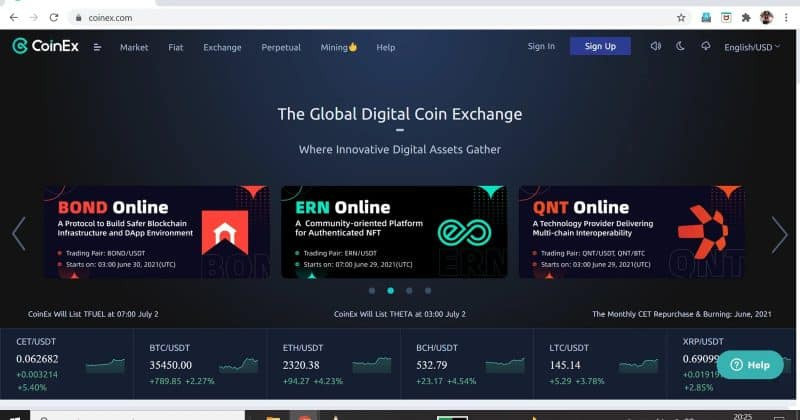
A recent report by The Wall Street Journal highlights that Iranian entities have funneled approximately $3.84 billion through the Seychelles-based cryptocurrency exchange CoinEx since 2019, using it as a means to circumvent US sanctions. The analysis conducted by blockchain intelligence firm TRM Labs traces these funds back to wallets associated with Iran's Central Bank and the domestic exchange Nobitex.
According to the report, funds originating from Iran's Central Bank, including USDT stablecoins, were transferred through various intermediary routes before reaching CoinEx. Nobitex, identified as Iran's largest domestic crypto exchange, acted as the initial on-ramp, while CoinEx served as the off-ramp to international markets. At its peak, transactions between Nobitex and CoinEx reached $763 million in a single year.
By 2024, CoinEx had become Nobitex's largest foreign counterparty, a title previously held by Binance, the world's largest crypto exchange, which reduced its involvement following stricter compliance measures. CoinEx, founded in 2017 by Haipo Yang, has since announced plans to enhance its Know Your Customer (KYC) protocols and restrict access for users based in Iran.
On June 2, 2026, US authorities imposed sanctions on Nobitex, citing its connections to entities such as the Islamic Revolutionary Guard Corps (IRGC). TRM Labs identified over 60 Iranian entities linked to the detected crypto flows. The $3.84 billion figure likely only accounts for transactions traceable through on-chain analysis, with the actual volume of Iranian funds in the global crypto market potentially being much higher due to the use of privacy tools, chain-hopping, and peer-to-peer transactions that do not involve centralized exchanges.
CoinEx's recent announcement to tighten KYC measures and limit access for Iranian users appears to be a reactive response rather than a proactive strategy. The exchange processed billions in questionable transactions over approximately seven years before implementing these compliance improvements. In the competitive landscape of cryptocurrency exchanges, those that prioritize compliance, such as Coinbase, Kraken, and Binance, may gain a structural advantage as rivals face scrutiny for facilitating illicit flows. Traders and investors are advised to carefully consider their platform choices, as the exchange itself can be a risk factor in their transactions.