Sen. Warner Opposes Jay Clayton's Confirmation as DNI
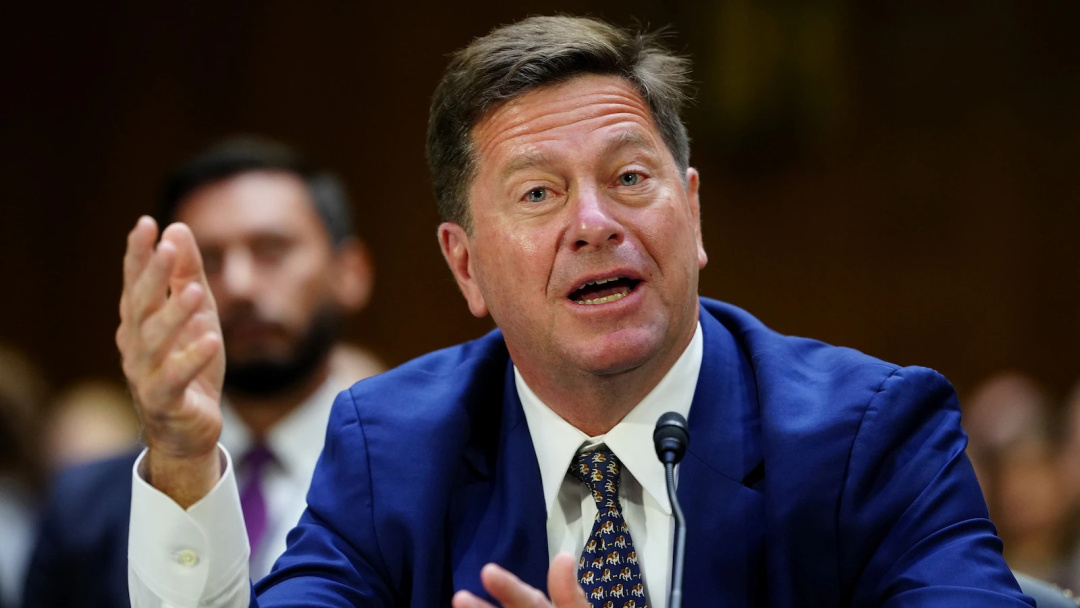
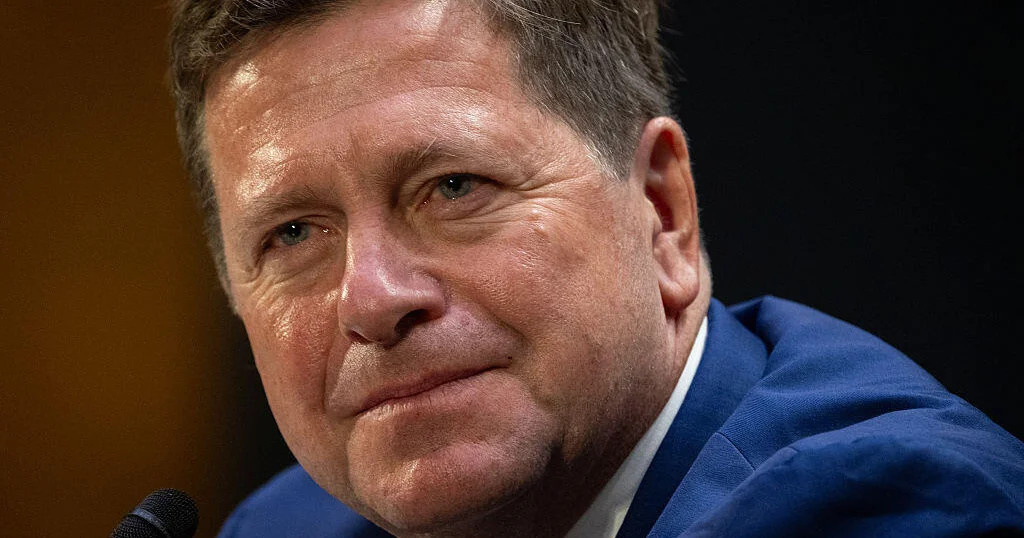
Senator Mark Warner, the vice chair of the Senate Intelligence Committee, stated on Sunday that he will not vote to confirm Jay Clayton as the Director of National Intelligence. Warner's decision follows Clayton's performance during Senate hearings, where he was unable to directly answer questions about the outcome of the 2020 presidential election. Warner remarked, "I've known Jay for a long time. I like him, but after his performance before my committee, his inability to answer the question about who won the 2020 election ... I am not going to vote for him."
Despite his opposition, Warner expects Clayton to be confirmed, noting, "I think Jay Clayton will get confirmed. And God willing, I hope the guy that becomes DNI is the guy that I've known and liked and worked with." Clayton's confirmation is likely as Republicans hold the majority in the Senate.
Warner's comments come amid a broader discussion on election security, particularly following President Donald Trump's recent address in which he accused foreign nations, specifically China, of attempting to interfere in U.S. elections since 2020. Trump claimed to declassify documents that he alleged demonstrated China's involvement in compromising election data. However, Warner and other senators have indicated that the newly released documents largely reiterate previously known information and do not substantiate claims of a stolen election.
Warner emphasized that while China poses a concern, he views Russia and Iran as more significant threats to U.S. electoral integrity. He stated, "Russia was very good at influencing our elections. They have been far and away the most prominent player, usually on behalf of Trump. Iran has been very active as well, usually against Trump."
In light of ongoing discussions about voting legislation, Warner addressed the SAVE America Act, a proposed bill that would impose stricter voter ID requirements. While he expressed support for a uniform ID requirement, he criticized the bill as a means of voter disenfranchisement, stating, "This is not about voter ID. The SAVE Act is about voter disenfranchisement."