Iran Confirms Bombing of Khamenei's Residence Linked to Security Breach
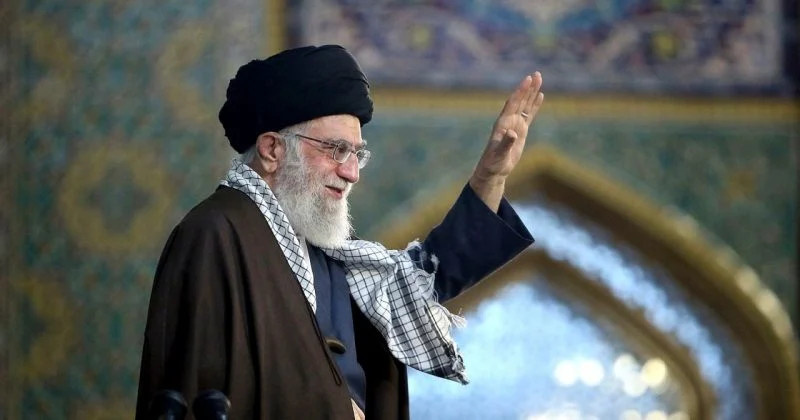
Iranian Foreign Minister Abbas Araghchi has revealed that the bombing of Supreme Leader Ali Khamenei’s residence was a result of a security breach that remains unaddressed. The US-Israeli airstrikes on February 28 targeted not only military installations but also inflicted substantial damage to Khamenei’s personal compound, as confirmed by satellite imagery. Araghchi reported that he was present in Khamenei’s office during the initial attack and later emerged from the debris, expressing concerns for the Supreme Leader's safety.
Khamenei's death was confirmed by Iranian officials around March 1, shortly after the strikes. Reports suggest that he had ignored security recommendations to vacate the compound prior to the assault. Araghchi himself had previously survived a foiled bomb plot near his residence amid rising tensions with Israel in 2025.
Geopolitical shocks typically lead to increased volatility in traditional markets, prompting some investors to shift capital from conventional assets to cryptocurrencies. This trend occurs partly as a hedge against uncertainty and because crypto markets operate continuously, allowing for positioning moves when traditional exchanges are closed. Historical events, such as the 2020 US-Iran tensions following the assassination of Qassem Soleimani and the ongoing Israel-Hamas conflict, have shown that significant geopolitical escalations can trigger immediate reactions in Bitcoin prices, often accompanied by heightened trading volume and volatility.
Traders are advised to keep an eye on crude oil futures as a potential indicator of market movements. Notably, when Brent crude prices fluctuate sharply in response to Middle Eastern developments, crypto markets tend to react with a delay of several hours to days, reflecting the interconnected nature of these financial landscapes.