Common Household Items That May Conceal Cameras and Microphones
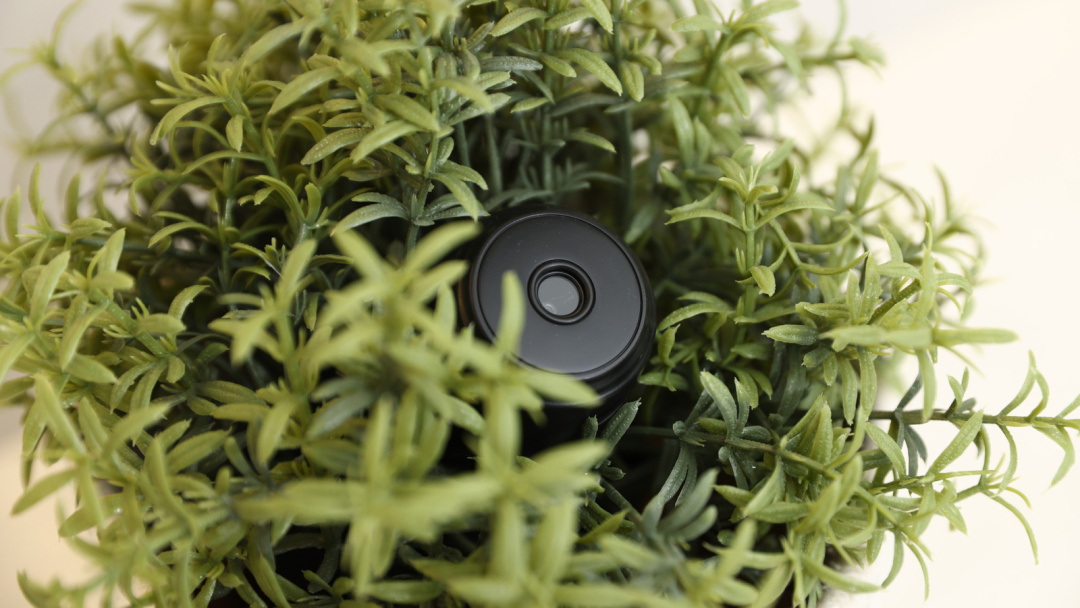
The evolution of surveillance technology has made it easier than ever for everyday items to conceal cameras and microphones, raising concerns about privacy in homes and rental properties. USB charging bricks, once thought to be harmless, can now house tiny cameras and microphones, capable of recording and streaming audio and video. These devices are often overlooked, especially in places like Airbnbs, where guests may not think twice about their presence.
Smoke detectors, commonly found in every room, also present a potential risk. Their height and typical installation make them difficult to inspect, and many are hardwired into homes, allowing for continuous power to hidden surveillance devices. This makes them particularly concerning, as they can operate without the limitations of battery life.
Key fobs, often mistaken for innocuous car keys, can serve as covert cameras. Some models are marketed as nanny cameras, but their discreet appearance makes them easy to misuse. Users have reported using these devices to capture evidence of theft or misconduct, highlighting their dual nature as both protective tools and potential spying devices.
Framed photos and artwork, which are ubiquitous in homes and hotels, can also be modified to include hidden cameras. The seamless integration of these devices into familiar settings makes them particularly insidious, as individuals rarely inspect items that appear to be part of the decor.
Finally, wall outlets, found in every room, pose a unique challenge. Unlike other devices that can be moved or covered, wall outlets are often overlooked and can easily conceal hidden cameras. This makes them a prime target for those looking to invade privacy without detection. While awareness of these potential spying devices is crucial, it is equally important to take proactive measures to safeguard personal spaces from unwanted surveillance.